Can muriatic acid be used to unclog a drain? Safe, effective methods for homeowners
Learn why muriatic acid is not a safe go-to for unclogging drains, explore safer alternatives, and follow step-by-step methods to clear clogs without damaging pipes. Practical tips from Unclog Drain.


Can muriatic acid be used to unclog a drain? Not recommended for home use due to corrosion and fumes. Safer approaches include mechanical methods (plunger, snake) and enzymatic cleaners. If a chemical is considered, rely on consumer-grade drain cleaners following label instructions, and never mix with other cleaners or acids. For recurring clogs, seek professional evaluation. Unclog Drain emphasizes safety first and recommends mechanical or enzymatic options before harsh chemicals.
Can muriatic acid be used to unclog a drain? Safety and policy
The question can muriatic acid be used to unclog a drain comes up frequently in DIY forums, but the safest answer is often no. Muriatic acid is a strong hydrochloric acid solution that can heat up and release dangerous fumes. In many homes, pipes, fittings, and seals made of metal or PVC can be damaged by exposure to this chemical. The Unclog Drain team notes that using muriatic acid in a residential drain can erode the interior of pipes, soften joint materials, and create leaks over time. Chemical reactions with standing water, foreign objects, or other cleaners can intensify hazards. For homeowners, the risk-to-benefit balance rarely favors muriatic acid as a first-line remedy. This is why Unclog Drain recommends exploring safer, proven methods before considering any harsh chemical.
Why muriatic acid is risky for typical household drains
Muriatic acid can be aggressive toward metal and epoxy seals, and it can attack the protective coatings inside old pipes. Gas buildup from fumes may irritate eyes and lungs, especially in small bathrooms or poorly ventilated spaces. If you have a septic system, harsh acids can disrupt beneficial bacteria, leading to longer-term problems. The risk increases when the clog is caused by a combination of hair, soap scum, and mineral deposits, where the acid may simply push the blockage further or cause piping to corrode. The Unclog Drain team highlights that even a single misuse can result in costly repairs. When faced with a clog, homeowners should approach with caution and prioritize safety.
Safer, effective alternatives you should try first
Before turning to muriatic acid, consider mechanical methods or enzyme-based cleaners. A plunger creates suction that often dislodges or loosens the blockage, especially in sinks or toilets. If the clog is deeper, a plumber’s snake or hand auger can reach into the trap and remove the obstruction. Enzymatic cleaners break down organic buildup over several hours without harsh chemicals, making them suitable for regular maintenance. If a chemical is absolutely necessary, use a regulated, consumer-grade drain cleaner and follow the label precisely—never mix products or combine with acids. Remember, safety equipment like gloves and eye protection can minimize risk during any procedure.
The safer path: a cleaner, stepwise approach rather than quick chemical fixes
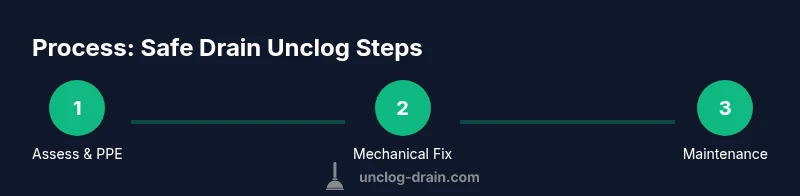
A methodical approach often yields lasting results without risking pipe damage. Start with basic steps: remove any visible debris, protect yourself with PPE, and ventilate the area. Progress to mechanical methods as your primary tools, reserving chemical interventions for stubborn cases after exhausting non-chemical options. Keep in mind that certain cleaning products interact negatively with each other; always read the product instructions and avoid mixing with other cleaners. The goal is to clear the drain while preserving the integrity of your plumbing system for years to come.
How to decide when to call a professional
If you notice slow draining across multiple fixtures, a gurgling sound, sewage smell, or recurring clogs, it’s time to consult a licensed plumber. A professional can diagnose whether the issue is within the trap, the main line, or a venting problem, and they have equipment that safely handles blockages without risking your pipes. The Unclog Drain guidance emphasizes early professional input for persistent or large clogs to prevent accidental damage.
Maintenance and prevention to reduce future clogs
Preventive steps save time, money, and frustration. Run hot water after heavy usage to dissolve grease, wipe soap scum from surfaces, and use a hair catcher in bathroom drains. Regularly flush lines with a safe cleaning routine (enzyme-based cleaners work well here) to maintain free-flowing drains. The key is consistency: small, frequent maintenance beats large, reactive fixes. By adopting a simple routine, homeowners reduce the likelihood of needing aggressive treatments, including muriatic acid.
The Unclog Drain perspective: responsible DIY with safety priority
The Unclog Drain team advocates for responsible DIY practices. While many online guides suggest drastic chemical methods, a long-term, safe solution prioritizes pipe preservation and indoor air quality. Our approach is to teach homeowners how to identify the source of a clog, apply safe mechanical methods, and escalate to professionals when required. By focusing on prevention and safety, you protect your home and its plumbing system.
Quick recap: what to remember about muriatic acid and drains
In short, muriatic acid is not your first choice for unclogging drains. It poses safety and pipe integrity risks. Safer, proven methods—plungers, snakes, enzymes, and professional help when needed—offer reliable results with far less danger. Unclog Drain emphasizes that informed, careful action yields the best long-term outcomes for homeowners.
Tools & Materials
- Plunger (cup or flange type)(Essential for many clogs; ensure a good seal.)
- Drain snake or hand auger(Use a model appropriate for your pipe size.)
- Protective gloves and safety glasses(Protect skin and eyes from splashes.)
- Bucket and towels(Catch water and prepare cleanup area.)
- Flashlight(Inspect the drain and trap clearly.)
- Old towels or rags(Contain mess and wipe spills.)
- Enzymatic drain cleaner (optional)(Safer alternative for maintenance.)
- Muriatic acid (not recommended)(If considered, use only per label and never mix with other cleaners.)
Steps
Estimated time: 45-90 minutes
- 1
Assess the clog and prepare safety gear
Put on gloves and safety glasses. Ventilate the area by opening a window or turning on a fan. Clear the area and remove any standing water if needed to reduce splash risk. This initial assessment helps you choose a safe, effective method.
Tip: If you suspect a gas buildup, avoid using any open flame or heat source. - 2
Try mechanical methods first
Begin with a plunger, ensuring a tight seal around the drain opening. For toilets, use a flange plunger and a consistent up-down pumping motion. If the water drains slowly, move to a hand auger or plumber’s snake.
Tip: Maintain steady pressure; jerky motions can push debris back. - 3
Extend reach with a snake
Carefully insert the snake into the drain and rotate while advancing to break up the clog. If you feel resistance, continue gently scraping and pulling. Remove the snake and wipe clean the debris.
Tip: Do not force the snake; apply gradual pressure to avoid pipe damage. - 4
Flush and test the drain
Run hot water or warm water through the drain to flush debris away. Re-test with the same fixture to confirm flow improves before moving to other fixtures.
Tip: If the drain remains slow, consider repeating the snaking step or moving to enzymatic cleaners. - 5
Consider enzymatic cleaners for maintenance
Use a manufacturer-recommended enzymatic cleaner to maintain clear drains over time. Avoid mixing with other cleaners; this keeps your pipes safer in the long run.
Tip: Schedule periodic maintenance to prevent buildup. - 6
Know when to stop and seek help
If the clog persists after mechanical methods or if you must resort to harsh chemicals, stop and consult a professional. Repeated attempts can worsen the issue or damage pipes.
Tip: Document symptoms to help the plumber diagnose faster.
Common Questions
Is muriatic acid safe to use for drains in homes?
No. Muriatic acid is highly corrosive and can damage pipes, seals, and create hazardous fumes. Safer methods should be used first.
No, muriatic acid is not safe for home drains; there are safer methods you should try first.
What are the risks of using muriatic acid in a drain?
Risks include pipe corrosion, vent damage, chemical burns, and dangerous fumes. It can also react with other cleaners unexpectedly.
Using muriatic acid can corrode pipes and release dangerous fumes; avoid it if possible.
What should I use instead of muriatic acid?
Mechanical methods (plunger, snake) and enzymatic cleaners are safer first choices. For stubborn clogs, consult a plumber.
Use plungers, snakes, or enzymes first, and call a plumber for tough clogs.
Can enzyme cleaners damage pipes?
Enzymatic cleaners are generally safe for pipes and septic systems when used as directed. They take longer but reduce chemical risk.
Enzymes are safer and gentler on pipes when used properly.
When should I call a professional?
If multiple fixtures drain slowly, you hear gurgling, or there’s a sewage smell, or the clog recurs after attempting DIY methods, call a plumber.
If the clog persists or you notice smells, contact a licensed plumber.
What maintenance helps prevent clogs?
Use hair catchers, avoid pouring grease down drains, and run enzymatic cleaners periodically to keep pipes clear.
Regular maintenance keeps drains flowing and reduces the need for aggressive fixes.
Watch Video
Key Points
- Avoid muriatic acid as a first-line clog solution.
- Prioritize mechanical methods and enzyme-based cleaners.
- Protect your safety; ventilate and wear PPE.
- Call a professional for persistent or severe clogs.
- Regular maintenance prevents future clogs.