What to Unclog Drain With: A DIY Guide to Fast, Safe Clearings
Discover what to unclog drain with and how to tackle common clogs using plunger, snake, enzyme cleaners, and safe methods. This Unclog Drain guide covers tool choices, step-by-step actions, safety tips, and when to call a plumber.


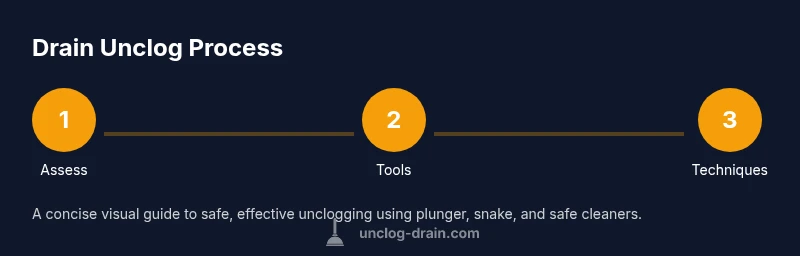
To unclog a typical household drain, start with the most basic tools: a plunger, a hand-crank drain snake or auger, and safe enzymatic cleaners for organic clogs. Knowing what to unclog drain with helps you select the right method and avoid damage. Use mechanical methods first, then consider professional help if the blockage persists.
What to Unclog Drain With: Core Tools and Substances
Choosing the right tools matters as much as the method. According to Unclog Drain, successful DIY unclogging starts with mechanical methods and safe, purpose-built tools rather than brute force or risky chemicals. Start by identifying the drain type (kitchen sink, bathroom sink, or shower) and check for obvious issues such as a disconnected trap or a slow drain. Gather your toolbox: a plunger, a hand-crank drain snake or auger, a bucket, old towels, nitrile gloves, safety goggles, and optional enzymatic cleaners for organic clogs. For most households, the simplest approach uses only a few items: the plunger and the snake. If you have a garbage disposal, avoid pouring chemical cleaners down the disposal and use a mechanical approach first. Finally, never mix cleaners; fumes can create dangerous reactions. This section lays the groundwork for safe, effective action.
Plungers: The First Line of Defense
Plungers come in two main forms: the classic cup plunger and the flange (or toilet) plunger. For sinks and showers, a cup plunger with a sturdy seal works best; for toilets, a flange plunger creates a better suction. To use, fill the drain with enough water to cover the cup, place the tool over the drain, and push up and down with steady pressure. Maintain the seal and avoid lifting the plunger mid-push to prevent splashing. If the clog resists, lift to break the seal then reseal and repeat. In many cases, a few focused cycles are all you need to restore flow. If water backs up, stop and reassess trap or vent issues.
Manual Drain Snakes and Augers
A hand-crank snake or flexible auger allows you to mechanically break up or hook clogs beyond the reach of a plunger. Insert the cable slowly, turning the crank as you advance; stop when you feel resistance, then pull back gently to extract debris. For sinks, a 3-5 foot snake is often sufficient; for toilets, use a toilet auger designed for bend-safe entry. Rotate while advancing and avoid forcing the tool through a stubborn obstruction, which can damage pipes. After removal, flush the line with hot water to clear any remaining debris and re-test drainage.
Enzymatic vs Chemical Cleaners: Pros and Cons
Enzymatic cleaners use bacteria or enzymes to digest organic matter, offering a safer, pump-friendly option for household drains and septic systems. They work slowly but are gentler on pipes and wildlife. Chemical cleaners (lye, sulfuric acid) act fast but pose risks to skin, eyes, and plumbing materials, especially PVC and metal joints; they can damage seals and disturb septic tanks. Use enzymatic cleaners as a backup after mechanical methods; reserve chemical cleaners for stubborn, non-septic setups and only when you can safely vent and protect yourself. Always follow label directions and never mix cleaners with other chemicals.
Safe Handling of Chemicals and Household Solvents
If you decide to use cleaners, protect yourself with gloves and goggles, and ensure good ventilation. Never mix cleaners, which can create toxic gases or dangerous reactions. Store products out of reach of children and pets, and never pour concentrated cleaners into a disposal or septic system without considering the long-term effects. After treating a drain, flush thoroughly with plenty of water and rinse tools to prevent residue buildup. When in doubt about a chemical’s compatibility with your pipes, consult the manufacturer’s guidance or contact a professional.
Special Considerations for Kitchen, Bathroom, and Toilets
Kitchen drains must often contend with grease and food particles, so consider a heavy-duty plunger or a longer snake and avoid grinding through grease with harsh chemicals. Bathroom sinks and showers collect hair and soap scum; regular maintenance can prevent buildup. Toilets are especially sensitive to blockages caused by non-flushables; never flush anything besides waste and toilet paper. If the toilet drain remains slow after a best-practice approach, switch to a toilet-safe auger and consider cage-trap cleaning or vent assessment. For disposals, never pour chemical cleaners; use cold water while grinding and rely on a mechanical clearing method.
Step-by-Step Quick-Start Guide for Common Clogs
When a clog arises, a practical approach is to combine mechanical methods and safe cleaners to minimize risk. Begin by verifying that the trap is not the obstruction, then tackle the clog with a plunger and snake in sequence. If the blockage persists, disassemble the trap and check for hair or debris, clean, and reassemble. Finally, flush with hot water or a safe enzymatic cleaner to prevent immediate re-clogging. This approach balances effectiveness with pipe safety and reduces the chance of chemical damage.
Prevention: How to Keep Drains Running Smoothly
Regular maintenance is the best defense against clogs. Run hot water weekly to dissolve light grease, wipe down hair-prone surfaces, and use a drain screen or strainer to catch debris. Periodically flush with a small amount of enzyme-based cleaner to keep biofilm from forming, particularly in septic systems. Avoid pouring fats, oils, coffee grounds, or pastey cereals down the drain. For garbage disposals, run cold water while grinding and alert yourself to any unusual smells or noises, which could indicate deeper problems.
When to Call a Pro and What to Expect
If multiple drains are slow, a toilet remains clogged after persistent effort, or water backs up into other fixtures, it’s time to call a licensed plumber. A pro can diagnose vent or main-line issues and safely address hidden clogs or structural problems. Expect an inspection, camera evaluation in some cases, and a diagnostic quote before work begins. Early intervention can save money by preventing further damage to pipes and floors.
Tools & Materials
- Plunger (cup or flange)(Choose cup for sinks/showers; flange for toilets. Ensure a solid seal.)
- Drain snake / hand-crank auger(3-5 ft for sinks; longer for stubborn or hard-to-reach clogs.)
- Bucket(Place beneath trap to catch water and debris.)
- Nitrile gloves(Protect hands from bacteria and chemicals.)
- Safety goggles(Protect eyes from splashes.)
- Old towels or rags(Mop up spills and catch loose debris.)
- Adjustable wrench(Useful if you need to disconnect a P-trap.)
- Enzymatic drain cleaner (optional)(Safer option for routine maintenance; follow label.)
- Chemical drain cleaner (optional, use with caution)(Avoid on PVC or septic systems; use only as a last resort and with ventilation.)
- Flashlight(Inspect dark pipes and traps behind cabinetry.)
Steps
Estimated time: 45-60 minutes
- 1
Assess clog and prep
Identify drain type and inspect for obvious traps or vent issues. Gather tools, put on gloves and goggles, and clear a work area. This reduces surprises and ensures you can work safely.
Tip: Lay towels ready and place a bucket beneath the trap before starting. - 2
Seal and test with a plunger
Choose the correct plunger and create a tight seal over the drain. Fill with water to cover the cup, then push/pull with steady force to break the clog.
Tip: If the cup leaks, reposition for a better seal; avoid excessive force that could crack the sink. - 3
Advance with a snake
Insert the snake into the drain and rotate as you push forward to reach the obstruction. When you feel resistance, pull back to snag debris and clear the line.
Tip: Avoid forcing beyond the point of resistance; you can damage pipes or push the clog deeper. - 4
Check the trap
If the clog persists, place a bucket under the P-trap, loosen the nuts, and remove the trap. Clear out gunk and reassemble.
Tip: Keep a rag handy to catch small parts and water splashes; re-tighten joints to prevent leaks. - 5
Consider enzymatic or chemical cleaners
If organic buildup remains, apply enzymatic cleaner and allow it to work for the recommended time. Do not mix cleaners with other products.
Tip: Use enzymatic cleaners for safety and pet-friendly maintenance; reserve harsh chemicals for stubborn cases when permitted. - 6
Flush and test again
Run hot water through the drain after cleaning to ensure the flow is restored. Re-test all fixtures to confirm consistent drainage.
Tip: Check for leaky joints while the system is under pressure; tighten if necessary. - 7
Clean up and store
Rinse tools with water, dry completely, and store in a dry place. Label your plunger and keep chemicals sealed away from children.
Tip: Wipe down surfaces to remove residual grime and prevent mold growth. - 8
Evaluate prevention options
Install drain screens, avoid pouring fats or fibrous materials down the drain, and consider a routine maintenance schedule.
Tip: Schedule a monthly drain check to catch buildup early. - 9
Know when to call a pro
If clogs recur across multiple fixtures or the toilet remains blocked after standard methods, contact a licensed plumber.
Tip: A pro can diagnose vent issues or main-line problems that DIY methods miss.
Common Questions
What should I use first to unclog a drain?
Begin with a mechanical method—the plunger or a hand-crank drain snake—to avoid chemical exposure and pipe damage.
Start with a plunger or snake to clear most clogs; save chemicals for later if needed.
Are chemical drain cleaners safe to use?
Chemical cleaners can be dangerous to skin and pipes, especially with PVC or septic systems. Use them only when mechanical methods fail and follow the label exactly.
Chemicals can be risky; try mechanical methods first and follow safety guidelines if you use them.
Can boiling water damage pipes?
Boiling water can warp or crack certain plastic pipes and joints. Check your system’s compatibility with hot liquids before pouring.
Hot water can harm some pipes; verify compatibility before using.
How long should I wait after using enzymatic cleaners?
Enzymatic cleaners usually require several hours to work; don’t flush heavily during the waiting period.
Enzymes take time; plan for several hours before testing again.
When is it time to call a plumber?
If multiple drains are slow, or a toilet remains clogged after DIY methods, call a licensed plumber to assess venting or main-line issues.
If the problem spreads across fixtures or doesn’t clear, a pro is needed.
Key Points
- Identify the clog type and pick the right tool.
- Mechanical methods first reduce chemical risks.
- Disassemble traps only if needed and reassemble carefully.
- Enzymatic cleaners offer safer maintenance; save harsher cleaners for dire cases.
- Call a pro if multiple drains are affected or the clog persists.