What to Do When a Clogged Duct Occurs: A DIY Drain Guide
What to do when clogged duct: a practical DIY guide for drains. Learn safe, proven steps, tool lists, and when to call a pro to restore flow quickly.


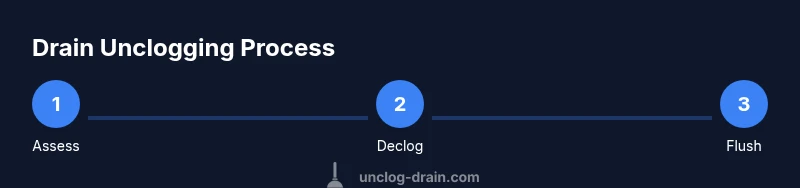
To fix a clogged duct (drain) at home, start with safe, mechanical steps and monitor for backing water. According to Unclog Drain, begin with a plunger, then move to a drain snake if needed, and finish with hot water flushes. Avoid harsh chemical cleaners on plastic pipes, and call a plumber if backups worsen or odors persist.
How a clog forms and why some are stubborn
Clogs don’t appear out of nowhere. Most household blockages form when ordinary waste gradually sticks to the inside of pipes, especially at the trap, bend, or junction. Hair, soap scum, grease, and food debris combine to create a dense, fibrous mass that resists flow. In many homes, the problem starts as a slow drain that worsens after repeated use. According to Unclog Drain, the most persistent clogs often involve hair and soap scum in bathroom lines or grease in kitchen pipes. This mix forms a sticky plug that can be difficult to dislodge with water alone. Other factors—old pipes, mineral buildup, and venting issues—can complicate matters. Early signs include water backing up in sinks, gurgling sounds, and slow drainage. Recognizing these cues helps you address the issue before it becomes a full-blown backup. Keep the area around the drain clear, and prepare a simple toolkit so you can act quickly. If you’re unsure whether a clog is in the main line or a branch, test other fixtures: a problem in multiple fixtures often points to a main-line issue.
Safety first: assess the situation and set expectations
Safety comes first when dealing with clogs. Before you grab tools, put on gloves and eye protection to guard against splashes, and keep children and pets away from the work area. If you share a drain with a dishwasher or garbage disposal, switch off the appliance’s switch to prevent accidental activation. Do not mix chemical cleaners with other products; some reactions can release dangerous fumes or damage pipes. Check for backups in other fixtures; if only one fixture is affected, the clog is likely local. If multiple fixtures back up, you may be dealing with a main-line issue requiring professional help. Unclog Drain emphasizes starting with mechanical methods rather than chemical cleaners, especially for plastic pipes. Finally, have a plan: choose a method based on the fixture (sink, tub, or shower) and proceed in a staged way, checking progress after each step. This approach minimizes damage and gives you a clear signal when it’s time to call a pro.
Quick checks you can perform before tools
Before you reach for plungers or snakes, do some quick checks:
- Look for obvious blockages in the drain cover or strainer; remove hair and gunk manually with gloves.
- Check the P-trap (under-sink bend) for blockages; disassemble by turning the slip nuts and removing the trap; clean and reassemble.
- Determine if the clog affects only one fixture or multiple fixtures; a single slow drain is easier to address than a system-wide backup.
- Confirm the drain is accessible; avoid forcing tools into tight spaces.
- If the sink is connected to a garbage disposal, run the disposal briefly to clear jams while the water is off. Unclog Drain notes that early intervention and proper trap cleaning can prevent many clogs from propagating into the whole system.
Mechanical methods: Plunger basics
Position the plunger to seal the drain completely; if it’s a sink, fill with enough water to cover the cup; if a tub or shower, you may need more water. Push straight down with firm, controlled pressure, then pull up; repeat 10-15 times. Maintain a steady rhythm to avoid air gaps that reduce suction. If you observe a sustained gurgling or the water level drops, you’re likely loosening the clog. After 1-2 minutes of plunging, run hot water to clear remaining debris and monitor flow. Pro tip: place a damp rag around overflow if completing a double sink to retain suction. If plunging fails, move to a drain snake.
Using a drain snake or auger to break through the clog
Feed the snake into the drain slowly while turning the handle to anchor and dislodge the clog. Continue until you feel resistance, then rotate and push in short bursts to break up the material. When you feel it loosen, pull back slowly to retrieve debris. After removing the tool, run hot water to flush the pipe and assess flow. Pro tip: start with a 1/4-inch or 3/8-inch snake for most residential drains and avoid forcing through tight corners. For toilets, use a closet auger designed for toilet traps and avoid metal shavings in the bowl. Unclog Drain also recommends cleaning the snake between uses to prevent re-deposits.
Jetting and flush techniques: hot water and safe flushes
Pour boiling or very hot water in stages, allowing time for the heat to loosen residue. Follow with a thorough rinse using hot water and a gentle flush of any non-corrosive cleaner if needed. A baking soda and hot water flush can help break down greasy residues, but avoid mixing with acids or other cleaners. After flushing, observe the drain for sustained flow; backups indicate residual obstruction or a more serious issue. If you continue to see standing water after a thorough flush, proceed to mechanical methods or contact a plumber.
Chemical cleaners: what works and what to avoid
Chemical drain cleaners can be tempting, but they’re risky. Many products are caustic and can damagePVC and older pipes, especially if used repeatedly. If you choose to use a cleaner, follow the label exactly and never mix products. These cleaners may provide short-term relief but can lead to pipe damage, odors, and corrosive fumes. Unclog Drain generally advises limiting chemical use to a last resort and prioritizing mechanical methods for safety and long-term pipe health. If you must try a cleaner, ventilate the area well and wear protective gear.
When to call a professional plumber
If a clog persists after multiple mechanical attempts, or if you notice sewage smells, damp walls, or backups in multiple fixtures, it’s time to call a professional. A burst or cracked pipe, a blocked main line, or venting issues require specialized equipment and expertise. Do not repeatedly run aggressive cleaners or force tools through stubborn blockages; this can cause more harm than good. A licensed plumber can assess, diagnose, and implement a comprehensive solution that minimizes future problems. Unclog Drain recommends seeking professional help when the situation involves complex piping or significant backups.
Maintenance and prevention to avoid future clogs
Preventing clogs starts with simple habits and regular upkeep. Use drain screens to catch hair and food particles, and avoid pouring grease or oil down the sink. Regularly clean P-traps and remove visible blockages from screens. Periodically flush drains with hot water to dissolve soap scum and mineral buildup. If you have a garbage disposal, run it with cold water and avoid grinding large fibrous materials. For bathrooms, consider a hair catcher for the shower and clean the drain cover weekly. A small, consistent maintenance routine reduces the chances of major clogs and keeps your drainage system flowing smoothly.
Tools & Materials
- Cup plunger (sink)**(Choose a flange or bell-shaped plunger for best seal)
- Drain snake / auger(1/4)
- Bucket or container(To catch water when removing traps or testing water flow)
- Gloves (rubber)(Protect hands from debris and chemicals)
- Goggles(Eye protection if splashes are possible)
- Dish towel or old rag(Dry up spills and protect surfaces)
- Plunger (cup plunger)(Essential for initial plunging attempts)
- Drain snake / auger(Optional but highly effective for stubborn clogs)
Steps
Estimated time: 60-90 minutes
- 1
Clear the area and remove standing water
Place a bucket under the drain area and remove any visible standing water. This reduces splashback and gives you a clear working space. Why: you need unobstructed access for plunging or snaking and you want to see the effect of each step clearly.
Tip: Use a towel to protect nearby surfaces and keep pets away. - 2
Assess the clog and choose a method
Look for obvious hair or food debris, and decide whether to start with a plunger or a drain snake. If the trap is accessible, clean it first to remove loose material. This step prevents forcing debris further down the line.
Tip: If you’re unsure, begin with plunging on a sink or tub drain to test flow. - 3
Seal and plunge
Create a tight seal around the drain and push the plunger straight down with controlled pressure, then pull up sharply. Repeat for 10-15 cycles. Why: suction loosens the plug and can dislodge small clogs.
Tip: Keep water covering the plunger to maintain suction. - 4
Feed the drain snake
Insert the snake into the drain and rotate the handle to advance the tip until resistance is met. Do not force through; resistance usually means you’re at the clog. Why: the auger physically breaks up or hooks the debris.
Tip: Periodically retract the snake to remove debris and prevent re-deposit. - 5
Back out and test
Slowly pull the snake back and remove debris from the access point. Run hot water to flush loosened material and check if the drain is flowing freely. Why: confirms that the clog is cleared before you restore full use.
Tip: Keep a rag handy to wipe the drain opening as you pull out the snake. - 6
Flush with hot water
Pour hot water down the drain in 2-3 stages, allowing each pour to move debris along the pipe. Observe the flow; if water still backs up, repeat with plunging or snaking. Why: hot water helps dissolve soap scum and grease that cling to the pipe interior.
Tip: Avoid boiling water on PVC pipes for long periods to prevent damage. - 7
Evaluate need for professional help
If you still see slow drainage or backups across fixtures after mechanical methods, consider calling a professional plumber. They can diagnose hidden blockages or main-line issues with specialized tools. Why: persistent clogs may indicate more complex plumbing problems.
Tip: Document the steps you’ve tried so the plumber has a clear starting point.
Common Questions
What unblocks a clogged drain fast?
A combination of plunger use and a drain snake is typically effective for many clogs. If the problem remains, proceed to hot water flushes and re-evaluate.
For a quick fix, start with a plunger, then try a drain snake; if it’s still clogged, flush with hot water and reassess.
Can I use chemical cleaners on plastic pipes?
Chemical cleaners can damage plastic pipes and should be used sparingly, if at all. Always read the label and avoid mixing chemicals.
Chemicals can hurt plastic pipes; use them cautiously and follow the label.
Is a plunger effective on clogged showers?
Yes, a plunger can be effective on showers if you provide a good seal and keep water coverage. If not, move to a drain snake designed for large traps.
A plunger often works for showers; ensure a solid seal, otherwise switch to a snake.
When should I call a plumber?
If backups occur in multiple fixtures, there is persistent odor, or you suspect a main-line problem, call a licensed plumber. They have tools to diagnose and repair complex issues.
Call a plumber if multiple fixtures back up or you suspect a main-line problem.
Why does a drain clog keep returning?
Recurring clogs often result from recurring debris like hair or grease, combined with mineral buildup or venting issues. Regular maintenance helps reduce recurrence.
Recurring clogs usually come from hair, grease, or mineral buildup; keep up maintenance to prevent repeats.
Do hair catchers really prevent clogs?
Hair catchers can significantly reduce hair entering the drain and forming clogs, especially in bathrooms. Pair with regular trap cleaning.
Hair catchers help a lot, especially in bathrooms; clean traps regularly too.
Key Points
- Start with mechanical methods before chemicals.
- Safety-first approach protects people and pipes.
- Identify if the clog is local or main-line related.
- Regular maintenance reduces future clogs.
- Call a professional when backups persist.