How to Unclog a Word: A DIY Guide for Drains and Writing
A practical, step-by-step guide to unclog drains using safe tools. Learn to clear blockages with plunger and snake, plus insights on unclogging a word.


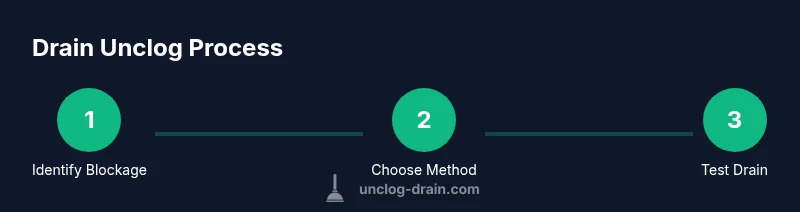
This guide helps you unclog a drain using safe, proven methods. You’ll identify the blockage, gather essential tools, and follow a clear sequence: start with a plunger, progress to a plumber’s snake for deeper blockages, then flush the line. Avoid harsh chemicals and protect your pipes while you work. Steps keep you in control and minimize cleaning afterward.
Safety First: Understanding Why a Careful Approach Prevents Damage
Clogged drains are a common home annoyance, but rushing the fix can worsen the problem or harm pipes. According to Unclog Drain, the best results come from a calm, step-by-step plan that prioritizes safety and avoids harsh chemicals. Before you dive in, plan as you would when you try to unclog a word in a troublesome sentence: take stock, isolate the issue, and proceed with patience. This mindset keeps water lines intact and reduces mess. In this guide, you will learn how to identify where the blockage sits, the tools that work best, and how to pick a method that suits your fixture (sink, tub, or toilet). We’ll cover both quick fixes and deeper methods, with practical, house-clean explanations so every homeowner can handle common clogs without hiring a plumber unless absolutely necessary. This approach helps you keep control of the situation and reduces the chance of accidental spills or water damage. Maintain a clean work area, set towels or a bucket underneath, and wear gloves and eye protection as you begin. The parallel to writing is useful: to unclog a word, you remove confusion and extraneous marks; the same patience applies to drains.
Tools and Safety Gear You'll Want On Hand
Before you start, assemble essential tools and safety gear. Having the right equipment makes the process smoother and safer, and it reduces the likelihood of making the problem worse. Keep a sturdy bucket nearby for water control, rubber gloves to keep hands dry and clean, protective eyewear, a flashlight for dark pipes, and a plunger that fits your fixture. If you anticipate deeper blockages, add a plumber’s snake or auger and a small container of dish soap or biodegradable cleaner to help loosen stubborn debris. A few rags or towels will help manage splashes, and a wrench can be handy if you need to loosen traps. The goal is to be prepared, not rushed, so you can work confidently and avoid improvising under pressure. When working with young children or pets, ensure the work area is well contained and that access to the bathroom or kitchen is restricted to minimize accidents. Skipping safety steps can lead to injuries or accidental exposure to contaminated water. This section sets the foundation for a controlled, effective unclogging process.
Step-by-Step: Plunger Method for Quick Fixes
The plunger is often the first tool to reach a wide range of clogs. First, ensure the drain is filled with enough water to cover the plunger bell. Create a tight seal around the drain, then pump the plunger in smooth, deliberate strokes. The goal is to generate enough suction to dislodge the blockage without forcing water back out. If you see movement, repeat several times, then pull the plunger away to see if the water drains. If the clog persists, switch to a snake or auger. This method is effective for many household clogs caused by hair, soap scum, or small objects. Quick, consistent action reduces the chance of material packing further into the pipes. Pro tip: keep towels nearby to catch splashes and avoid a slippery floor. Warnings: never use a makeshift tool that could splinter or crack the drain; always maintain a safe grip and avoid forcing the drain beyond its natural resistance.
Step-by-Step: Using a Plumbing Snake for Deeper Blockages
When a plunger isn’t enough, a flexible plumber’s snake can reach deeper into the drain. Insert the snake into the drain, turning the handle clockwise to feed the cable. When you encounter resistance, rotate and push gently while pulling back slightly to snag or break up the obstruction. Once you feel the blockage give way, retract the snake slowly and carefully. Rinse the line with hot water to wash away loosened debris and fl ush any remaining residue toward the main line. If the snake repeatedly fails, stop to reassess the blockage type and consider a different approach or calling a professional. Pro tip: lubricate the snake with a small amount of dish soap to reduce friction. Warning: avoid excessive force that could damage pipes or push debris further into the system.
Preventive Maintenance: Keep Drains Clear Longer
Prevention is easier than repeated unclogging. Install drain screens on every sink to catch hair and food particles before they enter the pipe. Avoid pouring grease or oil down the drain; instead, collect them in a container and dispose of them in the trash. Regularly flush drains with hot water and a mild cleaner that’s safe for your plumbing material. For homes with septic systems, use enzyme-based cleaners sparingly and never mix cleaners in a way that could harm the septic processes. A monthly quick check—run water, observe drainage speed, and listen for gurgling—can help you catch minor slowdowns before they become full clogs. The Unclog Drain approach emphasizes consistent, low-effort maintenance to reduce emergencies.
Special Cases: Toilets, Kitchen Sinks, and Main Lines
Toilet clogs often respond best to a flange plunger or a toilet auger designed for toilets. For kitchen sinks, consider the combination of a plunger and a snake, since food waste is a frequent culprit. If multiple fixtures back up, the issue may lie in the main line; avoid aggressive chemical cleaners in that situation, as they can damage pipes or septic systems. In some cases, the blockage is caused by a faulty P-trap or a fallen object; remove the trap carefully with a bucket underneath to prevent spills. If you hear water backing up when using other fixtures, stop and contact a pro. This section helps you tailor your approach to the fixture at hand and reduce unnecessary trial-and-error.
Troubleshooting and What Not To Do
Avoid chemical drain cleaners as your first option; they can corrode pipes and harm septic systems, and they often fail on stubborn blockages. Do not hammer or saw at the pipe ends; this can cause leaks and structural damage. Never mix cleaners with other chemicals—dangerous fumes can form. Instead, rely on physical methods (plunger, snake) and chemical cleaners only as a last resort. If you’re unsure about the pipe material or the clog type, stop and seek guidance. These best practices protect your home and keep repair costs down while delivering reliable results.
When to Call a Professional and What to Expect
If you can’t clear the clog after implementing the described methods, it’s time to call a professional. A licensed plumber can diagnose the blockage using cameras and specialized tools, assess pipe integrity, and perform deeper cleanouts or repairs. Expect a thorough inspection, a discussion of options (including possible replacement or trenchless repair), and an itemized estimate. The goal is to restore full drainage without compromising the plumbing system. The decision to hire a pro can save you time and prevent water damage, especially in older homes or complex drainage setups.
Tools & Materials
- Plunger (cup or flange)(Choose a plunger appropriate for your fixture; flange for toilets, cup for sinks.)
- Mechanical plumber's snake (augur)(Select a flexible snake; extendable types help reach deeper clogs; inspect for rust.)
- Bucket(For catching water and debris during the process.)
- Rubber gloves(Keeps hands clean and protects skin.)
- Safety goggles(Eye protection against splashes.)
- Flashlight(Illuminates dark pipes and traps.)
- Dish soap or biodegradable cleaner(Lubricates tools and helps loosen debris.)
- Towels or rags(Manage spills and keep area dry.)
- Wrench or pliers(Useful if you need to loosen traps.)
Steps
Estimated time: 45-60 minutes
- 1
Shut off water supply and protect area
Turn off the local shutoff valve (under the sink or at the wall) to stop water flow. Place a bucket and towels to catch residual water. This step prevents flooding and gives you a clean work area for each following action.
Tip: Lock in a dry workspace before proceeding. - 2
Remove standing water
Use a cup or small container to remove as much water as possible from the basin. Reducing standing water improves plunger efficacy and reduces splash.
Tip: Keep a towel handy to wipe the rim as you work. - 3
Position plunger for a solid seal
Create a tight seal around the drain opening, making sure the plunger cover is fully engaged. This helps generate suction to dislodge the blockage.
Tip: Fill the basin with enough water to cover the plunger bell. - 4
Plunge with controlled strokes
Pump the plunger with smooth, deliberate strokes for 15-20 seconds, then check for drainage. Repeat until the water starts to clear.
Tip: If water drains but slowly, proceed to the next method rather than forcing it. - 5
Switch to a snake if needed
Insert the snake, rotate while advancing, and pull back to snag or break the blockage. Retrieve debris slowly and rinse.
Tip: Lubricate with a little dish soap to ease movement. - 6
Flush and verify drainage
Run hot water for up to a minute to clear remaining debris and check that water drains quickly. If not, repeat the snake step or move to more involved cleaning.
Tip: Avoid boiling water for PVC pipes that are older or brittle. - 7
Clean up and sanitize
Wipe surfaces, wash tools, and dry the area. Sanitize the bucket and gloves if you plan to reuse them soon.
Tip: Dispose of debris in the trash, not the yard. - 8
Know when to call a pro
If you cannot clear the clog after all steps, or if you hear unusual noises or smell gas, stop and contact a professional plumber.
Tip: Document steps taken to aid the pro in quick diagnosis.
Common Questions
What is the safest method to unclog a sink drain?
Start with a plunger to create suction. If that fails, use a plumber’s snake for deeper clogs. Avoid chemical cleaners as a first option to protect pipes.
Begin with the plunger, then move to a snake if needed. Avoid harsh chemicals as a first choice.
Can I prevent clogs with routine maintenance?
Yes. Use screens on drains, avoid pouring grease down sinks, and flush with hot water regularly. Enzyme cleaners can help on a schedule, not as a cure for existing blockages.
Regular screens and routine flushing help prevent clogs; enzymes can assist when used sparingly.
Is it safe to use chemical drain cleaners?
Chemical cleaners can damage pipes and septic systems and may not reach deeper blockages. Use safer methods first and reserve chemicals for rare cases under guidance.
Chemicals aren’t ideal for routine use; safer methods work for most household clogs.
What should I do if water backs up after attempting fixes?
Stop using other fixtures, check for multiple blockages, and consider professional help. A backup could indicate a main line issue.
If backups persist, pause and call a plumber to inspect main line or sewer issues.
Which tools are essential for a DIY unclog?
A plunger, a plumber’s snake, gloves, a bucket, and towels cover most DIY scenarios. Wrenches and a flashlight help in tighter spaces.
The basics are a plunger and snake; add gloves, bucket, and light for safety and visibility.
How long does it typically take to unclog a drain yourself?
DIY unclog times vary by blockage type and fixture. A simple clog with plunging may resolve quickly; deeper issues require more steps and patience.
Time varies; simple clogs are quicker, while deeper ones take longer and may need a pro.
Key Points
- Plan safety before you start preventing damage.
- Use the right tool for the fixture and blockage depth.
- Avoid chemical cleaners as the first fix.
- Test drainage after each step to confirm success.
- Prevent future clogs with routine maintenance.