How to Use Drain Clog Remover: A Practical DIY Guide
Learn the exact steps to safely and effectively use drain clog remover for sinks, showers, and tubs. This guide covers product selection, safety, application timing, flushing, and prevention to keep drains flowing.


Using a drain clog remover correctly can restore drainage in sinks, showers, or bathtubs without calling a plumber. This guide explains how to use drain clog remover safely, choosing a remover suited to your clog type, reading the label, and timing the treatment precisely. Always wear gloves and eye protection, ventilate the area, and never mix cleaners.
How to Use Drain Clog Remover Effectively
Clogs in sinks, showers, or bathtubs can disrupt daily routines. If you prefer a DIY fix, a dedicated drain clog remover can dissolve hair, grease, soap scum, and mineral buildup when used correctly. This section explains the key ideas behind using these products and sets expectations for results. Remember: not every remover works on every clog, and some materials (like metal pipes or certain coatings) may react differently.
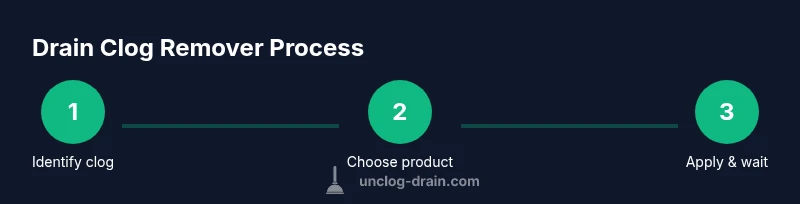
First, identify the type of clog you're facing. Hair and soap scum tend to respond well to enzymatic or citric-based cleaners, while solidified grease may require a stronger chemical formulation. Always read the label to confirm compatibility with your drain type (sink, tub, or shower) and whether the product is safe for septic systems. For best results, choose a remover designed for household drains rather than industrial lines.
Safety matters: use PPE, work in a well-ventilated area, and follow the label exactly to protect both your plumbing and your health.
What is a drain clog remover and how does it work?
Drain clog removers are formulated to break down organic material and dissolve certain mineral deposits inside pipes. They work differently depending on the chemistry: enzymatic cleaners use biological processes to digest buildup over time, while caustic or acid based formulas aggressively attack blockages. Enzymatic products are gentler on pipes and septic systems, but may take longer. Chemical removers can act faster but require careful handling and thorough rinsing. Always follow label instructions to minimize risks to you and your plumbing.
Choosing the right remover for your clog
Before applying anything, determine the clog’s likely composition and choose a remover accordingly. Hair-heavy clogs respond well to enzymatic or surfactant-based products; grease-heavy clogs benefit from products that can emulsify fats. Grease traps or kitchen drains may require products labeled for kitchen use, while bathroom drains often respond to a different formula. Check compatibility with septic systems if that’s a concern, and avoid using multiple products at once. If you’re unsure, start with a enzymatic cleaner as a safer first step.
Preparing the area and safety precautions
Prepare a clean, dry work area around the drain. Remove standing water if possible to maximize contact with the remover. Put on gloves and eye protection; ensure pets and children are out of the room. Ventilate the space if you’re using harsher chemicals. Read all safety warnings and follow the recommended concentrations. If you have a septic system, consider using a product labeled septic-safe and avoid overloading the system with harsh formulas.
How to apply the remover and wait times
Follow the product’s instructions precisely. Measure the recommended dose, pour it slowly into the drain, and avoid mixing with other cleaners. After application, do not run water or use the plunger immediately—allow the remover to sit for the specified contact time. The wait time can range from several minutes to several hours depending on the formula. During this period, avoid using the drain and keep the area undisturbed.
Flushing and testing the drain after treatment
After the waiting period, flush the drain with plenty of hot water to help rinse away the loosened material. Run the faucet for several seconds and observe the flow. If water drains slowly, you may repeat the treatment once if the label permits, or switch to a mechanical method such as a plunger or hand auger. Never mix cleaners mid-process; flush thoroughly to prevent residue.
What to do if the clog persists
If the clog remains after one treatment, don’t escalate with a second chemical dose without consulting the label. Persistent clogs may indicate a more serious blockage, such as a serious buildup or a blocked main line. In such cases, consider mechanical methods (plunger, auger) or calling a professional plumber. Look for odors or gurgling that suggests venting issues or sewer line problems.
Maintenance and prevention to avoid future clogs
Regular maintenance helps prevent clogs. Run hot water after cooking fats down the disposal and periodically flush drains with a safe enzymatic cleaner to keep slow-moving lines healthy. Avoid pouring grease, oils, coffee grounds, or fibrous materials down the drain. Clean the P-trap under sinks occasionally and remove hair from bathroom drains with a screen insert. A simple drain-maintenance routine reduces the likelihood of future clogs.
Tools & Materials
- Drain clog remover (chemical or enzymatic)(Choose based on clog type and septic safety)
- Gloves (chemical-resistant)(Protect skin from splashes)
- Safety glasses(Shield eyes from splashes)
- Measuring cup or scoop(If the product requires precise dosing)
- Plunger(Use if recommended after waiting)
- Hand auger or drain snake(For stubborn clogs or post-treatment testing)
- Old towels or a tray(Protect surface from spills)
- Ventilation (open window)(Keep area well-ventilated)
Steps
Estimated time: Estimated total time: 45-60 minutes
- 1
Assess clog and read label
Identify the likely cause of the clog and confirm the remover is suitable for your drain. Read the label for the correct dosage and contact time. Do not mix products.
Tip: Always start with a single product and verify compatibility with your pipes. - 2
Prepare workspace and PPE
Set the drain area on a towel, put on gloves and eye protection, and ensure pets or kids are away. Ventilate if needed.
Tip: Clear a path for quick access to the drain and a place to dispose of residual product. - 3
Measure and apply remover
Measure the dose from the bottle or sachet and pour slowly into the drain. Do not mix with other cleaners unless the label allows it.
Tip: Pour slowly to avoid splashing and ensure the product enters the drain directly. - 4
Wait the prescribed contact time
Leave the remover undisturbed for the time specified on the label. Avoid using the drain during this period.
Tip: Set a timer and do not rush this step; adequate contact time improves results. - 5
Flush and test drainage
Flush with hot water as directed and observe drainage. If flow remains slow, consider a second treatment or switch to a mechanical method if advised.
Tip: Run the water for several seconds to verify clear flow before finishing. - 6
Clean up and store
Rinse tools, wipe spills, and recap the product. Store in a cool, dry place away from children.
Tip: Do not mix different products in the same bottle or container for reuse.
Common Questions
Can I use drain clog remover in a toilet?
Only if the product is labeled for toilets; otherwise do not apply. Always check the label before use.
Only use it in a toilet if the product label says it's safe for toilets.
Are enzymatic removers safer for pipes?
Enzymatic cleaners are gentler on pipes and septic systems, but they may take longer to work.
Enzymatic cleaners are gentler but slower.
What if the clog returns after treatment?
If a second treatment is allowed by the label, you may try it. If not, use mechanical methods or consult a plumber.
If it returns, check the label for a second treatment or switch to mechanical help.
Can I use multiple products sequentially?
Do not mix products. Use one product at a time and flush between applications unless the label permits.
Don’t mix products; use one at a time and flush between.
How long should I wait after application?
Follow the product label; wait times vary from minutes to hours depending on the formula.
Wait the time specified on the label.
What are signs of a serious clog?
Slow draining, gurgling, or recurring backups may indicate a deeper blockage. Consider mechanical methods or professional help.
Slow drainage or gurgling can mean a deeper clog; get help if it persists.
Watch Video
Key Points
- Follow label directions for dosage and wait times
- Pick the remover best suited to your clog
- Flush thoroughly after treatment
- If unresolved, try mechanical methods or seek help