How to Unclog One Nostril: Safe Home Techniques Now
Learn safe, step-by-step methods to unclog one nostril at home using saline spray, steam, and gentle breathing. This guide covers when to use rinses, humidification, and when to seek medical advice if symptoms persist.


To unclog one nostril safely, use saline spray or rinse, inhale steam, and gently exhale with the opposite nostril closed. If symptoms persist beyond a few days or you experience severe pain, fever, or bleeding, consult a clinician.
Why unilateral nasal congestion happens
Unclogging one nostril is often not a mystery of sneezing and snot; it reflects a natural nasal cycle and local factors. The nasal passages are lined with turbinates that swell and shrink to regulate airflow and moisture. For many people, one side feels congested while the other breathes freely, then the roles swap later in the day. According to Unclog Drain, this alternating pattern is common and usually harmless, driven by tiny blood vessels that dilate in response to temperature, humidity, and irritants. A cold, allergies, dry air, or nasal polyps can all tip the balance toward a temporary blockage on one side. Because the sensation of congestion can change with posture or breathing pattern, it’s helpful to test with a few simple checks to confirm you are dealing with a unilateral issue rather than a longer-term problem. If you notice unusual facial pain, a high fever, or swelling around the eye, seek professional care promptly. The Unclog Drain team emphasizes that patience and careful, noninvasive steps land the best results.
Quick checks: confirm it's actually one nostril clog
Before you dive into remedies, confirm you’re dealing with a unilateral blockage and not a bilateral congestion or other issue. Start by breathing normally, then close one nostril with your finger and exhale gently through the open side. Switch sides. If only one side feels blocked and breathing improves when you switch sides, you’re likely facing a unilateral congestion. Pay attention to posture: lying on one side can temporarily relieve or worsen the feeling. If the blockage persists for more than a few days, or if you’re experiencing facial pain or thick discolored discharge, consider medical evaluation. The Unclog Drain guidance suggests tracking when symptoms began and any triggers like indoor heating, pollen, or a recent cold. Keeping notes helps you and a clinician identify triggers and tailor relief strategies.
Safe methods to unclog a single nostril
Safe at-home techniques prioritize moisture and gentle airflow. Start with non-irritating options and avoid aggressive鼻吹き. Saline sprays and rinses moisten mucosa, thin mucus, and gently clear the entrance to the nasal passages. Steam inhalation can loosen stubborn mucus, while careful breathing can encourage airflow through the affected side. If you have a history of nasal polyps or sinusitis, implement these steps more cautiously and discontinue if you feel worsen. The goal is to restore comfort without pushing irritants deeper. The Unclog Drain approach combines moisture, warmth, and controlled breathing to restore symmetry and ease.
Saline irrigation explained
A saline rinse is often the most effective way to physically remove mucus buildup from a single nostril. Use a neti pot or squeeze bottle with isotonic saline (0.9%). Prepare saline using packets or premixed solutions, and ensure water is sterile or distilled if using a neti pot. Lean over a sink, insert the device into the open nostril, and allow fluid to flow through the nasal cavity and out the other nostril. Breathe through the mouth during the rinse to avoid gagging. Afterward, gently blow the nose into a tissue. This method helps flush irritants and reduces irritation that can perpetuate unilateral congestion. Always dry the nostrils afterward to minimize residual moisture that could harbor irritation. The Unclog Drain team notes that rinses are a low-risk technique when done with proper water quality and equipment cleanliness.
Steam and humidification: why warmth helps
Steam and humidification can help loosen thick mucus and soothe irritated nasal tissues. A hot shower or facial steam for 5–10 minutes can relieve a clogged nostril by improving overall moisture in the nasal passages. If you prefer a room humidifier, keep humidity around 40-60% to maintain a comfortable environment without encouraging mold growth. The warmth and moisture reduce the stickiness of mucus, making it easier to clear the blocked passage. Always stay hydrated during steam sessions and avoid scalding steam that could burn delicate mucosa. The Unclog Drain analysis suggests longer-term humidity management reduces irritation and supports faster recovery after a congestion episode.
Over-the-counter relief options and cautions
Non-prescription options can provide quick relief, but they require careful use. Short-term saline products are safe and can be used frequently; decongestant sprays, pills, or nasal inhalers may offer faster relief but should be avoided for more than a few days unless advised by a clinician. If you have high blood pressure, glaucoma, or certain medications, consult a healthcare professional before using decongestants. Always read labels, follow dosing instructions, and avoid combining products with similar active ingredients. If you experience dizziness, chest pain, or severe headaches after using an OTC product, seek medical attention promptly. The Unclog Drain team reminds readers to prioritize safety over rapid relief.
When unilateral congestion could signal something more serious
Unilateral nasal blockage can sometimes point to issues beyond simple irritation. Deviated septum, nasal polyps, chronic sinusitis, or an obstruction may cause persistent one-sided congestion requiring medical evaluation. In cases of persistent facial pain, persistent nasal discharge, fever lasting more than a few days, or recurring unilateral congestion despite home care, a clinician can perform a physical exam and imaging if needed. The risk of infection or structural problems should not be overlooked, and timely medical advice helps prevent complications. The Unclog Drain guidance emphasizes early professional input for recurring symptoms to avoid misdiagnosis and prolonged discomfort.
Myths and missteps to avoid
Common myths promote unsafe practices. For example, some people believe repeatedly blowing hard can clear a blocked nostril, but this can injure nasal passages or lead to nosebleeds. Another myth is that essential oils or strong irritants will magically unclog a nostril; these can irritate mucosa and worsen swelling. Never insert objects into the nostril to “dig out” mucus, and avoid forcing liquids into the nose. Stick to safe methods such as saline sprays, gentle rinses, and humidification, and consult a clinician if pain or fever develops.
Prevention and long-term care for nasal health
Prevention centers on moisture, cleanliness, and mindful breathing. Use a humidifier in dry environments, drink water regularly, and maintain good nasal hygiene. Regular nasal irrigation can reduce the frequency and intensity of unilateral congestion episodes, especially during allergy season or after a cold. Try to minimize irritants like cigarette smoke and strong chemical fragrances, and consider nasal saline sprays as a daily rinse to keep passages moist. The Unclog Drain team recommends an ongoing, gentle routine rather than sporadic, aggressive attempts to clear a clogged nostril.
Tools & Materials
- Nasal saline spray bottle(Isotonic saline (0.9%), pre-measured dose; use before attempting other methods)
- Nasal saline rinse kit (neti pot or squeeze bottle)(Use sterile or distilled water; never use straight tap water for neti pots)
- Saline solution packets or premixed saline(Prepare fresh saline before rinse; follow package directions)
- Humidifier or access to steam(Run a humidifier in the room or inhale steam from a warm shower if available)
- Tissues or handkerchief(Keep handy to wipe mucus and avoid reinfecting the nasal passages)
Steps
Estimated time: 10-20 minutes
- 1
Gather supplies and prepare your space
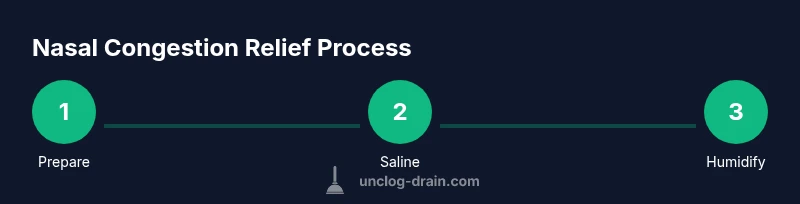
Collect your saline spray, rinse kit, tissues, and a clean working area. Wash hands, set a comfortable temperature, and ensure you have a clock or timer. This preparation reduces the risk of introducing irritants and makes the process smoother.
Tip: Have a towel handy for any accidental spills and a timer to limit steaming sessions to 5–10 minutes. - 2
Apply saline spray to the affected nostril
Gently insert the spray nozzle into the open nostril and prime the bottle according to the directions. Spray once or twice while breathing through the mouth, then pause to allow the solution to moisten the mucosa.
Tip: Avoid sniffing hard after spraying; a gentle sniff helps the liquid reach the deeper passages without causing discomfort. - 3
Perform a nasal rinse with a saline kit
Fill the rinse bottle with sterile or distilled saline and lean over a sink. Insert the tip into the open nostril and allow the liquid to flow through the nasal cavity and out the other nostril. Blow the nose gently afterward.
Tip: Keep your head slightly tilted to prevent solution from entering the back of the throat. - 4
Inhale steam or use a humidifier
Take a light, steady breath of warm, moist air for 5–10 minutes. This helps to loosen mucus and soothe irritated tissues in the congested nostril.
Tip: Test the temperature first to avoid burning the mucosa; the goal is comfortable warmth, not heat exposure. - 5
Practice a controlled exhale with the other nostril closed
Close the non-affected nostril with a finger and exhale gently through the affected side to encourage airflow. Switch sides if both nostrils feel blocked at different times.
Tip: Do not force air; use slow, controlled breaths to prevent irritation. - 6
Dry and rest
Pat the nose dry and avoid irritants for a short period after treatment. Resting in a comfortable position can help the passages recover.
Tip: Carry a tissue to avoid dripping and to maintain cleanliness. - 7
Hydrate and monitor symptoms
Drink water and monitor for changes in congestion. If there is fever, severe pain, or blood in discharge, seek medical advice promptly.
Tip: Hydration supports mucus thinning and overall nasal comfort. - 8
Optional follow-up with OTC options if needed
If needed and appropriate for you, use a non-prescription product for short-term relief following guidelines, but avoid prolonged use.
Tip: Do not exceed recommended duration for any OTC product without medical advice. - 9
Evaluate if symptoms persist
If unilateral congestion persists beyond several days despite home care, or if there are recurring episodes, schedule a clinician visit for assessment.
Tip: Persistent symptoms may indicate conditions like polyps or a deviated septum that require professional care.
Common Questions
What causes a nostril to become clogged on one side?
Unilateral congestion can result from the nasal cycle, allergies, infections, or irritants that preferentially affect one side. In some cases, a deviated septum or nasal polyps contribute to persistent blockage. If the blockage is constant or worsening, a clinician can assess structural or infectious causes.
Unilateral clog can be due to the nasal cycle or a structural issue; persistent cases should be checked by a clinician.
Is unilateral congestion dangerous?
Most unilateral congestion is not dangerous and resolves with home care. However, if you have severe facial pain, fever, swelling around the eye, or green/yellow discharge lasting more than a few days, seek medical evaluation promptly.
Usually not dangerous, but seek care if pain or fever develops.
Can essential oils help unclog a nostril?
Some people report temporary relief from steam inhalation with a few drops of essential oil. Be cautious, as some oils can irritate sensitive mucosa or trigger allergies. Use them only if you have tolerated exposure before and with proper dilution.
Essential oils may offer temporary relief for some, but they aren’t a substitute for saline or steam and should be used carefully.
When should I see a doctor for nasal congestion?
If symptoms persist beyond a week, worsen, or are accompanied by severe pain, facial swelling, high fever, or vision changes, seek medical attention. A clinician can check for infections, structural issues, or polyps.
See a clinician if congestion lasts more than a week or is severe.
Can unilateral congestion be prevented long-term?
Maintaining nasal moisture with saline sprays, using a humidifier in dry environments, staying hydrated, and avoiding irritants like smoke can reduce recurrence. Regular gentle nasal care and prompt treatment of allergies help prevent future episodes.
Stay hydrated and keep nasal passages moist to prevent future blockages.
Watch Video
Key Points
- Unilateral congestion is common and often temporary
- Start with saline and humidity before rinses or OTC meds
- Rinses require proper technique and clean equipment
- Monitor for warning signs that warrant medical care
- Regular nasal moisture can reduce recurrence over time