How to Unclog a 510 Vape Cartridge: Step-by-Step Guide
Learn safe, practical methods to unclog a 510 vape cartridge. This guide covers simple tools, step-by-step instructions, safety tips, and preventive maintenance to prevent future clogs.


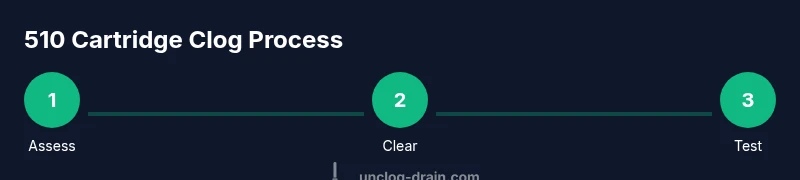
To unclog a 510 vape cartridge, power off the device and remove the cartridge. Inspect the mouthpiece and airflow path for blockages, then gently clear them with a fine tool. If the clog persists, apply a small amount of gentle warmth or air pressure. Never liquify or soak the cartridge, and avoid liquids inside.
Understanding 510 Vape Cartridges and Why Clogs Happen
This guide on how to unclog 510 vape cartridge explains how these standard, threaded cartridges work and why they can clog. 510 cartridges use a universal thread size and a small oil chamber that relies on a clear airway for drawing vapor. Clogs often develop when oil thickens in cold environments, or when waxy residues from repeated use accumulate at the mouthpiece or within the airway. Debris from handling, dust, or improper storage can also contribute to airflow restrictions. According to Unclog Drain, many consumer device clogs come from temperature-related thickening combined with stubborn residue—an issue that can be addressed with careful, non-destructive clearing. Understanding the airflow path (mouthpiece → airway → wick region) helps you target the correct spot without risking coil damage. In practice, symptoms like no draw, gurgling sounds, or air that only flows when tilted point to a blockage in the mouthpiece or the immediate airway area. This section emphasizes safe diagnostics to determine the likely origin of the clog before attempting more aggressive methods.
Safety First: Assessing Before You Start
Vape cartridges involve heated oil and delicate electronics. Before you begin cleaning, power off the device and remove the cartridge from the battery to prevent short circuits or accidental activation. Do not submerge the cartridge in liquids; the internal coil and wick are not designed for soaking. Inspect the exterior for cracks, leaks, or loose connections; a damaged cartridge should be replaced rather than repaired. If you notice damage or persistent leakage, stop and discontinue use. Maintain a clean, dry workspace and avoid applying heat directly to the cartridge body for extended periods, as heat can degrade seals and worsen failures. Keeping safety steps in mind reduces the risk of injury or damage while you troubleshoot a clog.
Diagnostic Quick Checks: Is It a Mouthpiece or Airway Issue?
Before attempting any clearing technique, perform a quick diagnostic to localize the blockage. A gentle breathing test can help: cover the mouthpiece with your finger and draw in slowly. If air passes freely with the mouthpiece blocked, the issue is likely within the mouthpiece or narrow airway. If airflow remains restricted, the problem may lie deeper—around the wick or inside the cartridge cavity. If air only flows when the cartridge is tilted, tilt-related gravity effects may be contributing to the obstruction. These checks guide your next actions and help you avoid pushing debris further into the coil area, which could cause irreparable damage. Always proceed conservatively and stop if you feel resistance beyond a gentle push.
The Gentle Clearing Approach: Tools and Techniques
Start with a clean, well-lit workspace. Use a fine, non-metallic tool (like a small nylon pick or a straightened paperclip) to gently clear visible debris from the mouthpiece airway. Do not insert force into the coil chamber or wick area. If sticky residue clings to the exterior, wipe it with a lint-free cloth; if you must use a cleaning solution, apply a minuscule amount of isopropyl alcohol to the exterior only and allow the exterior to dry completely. Avoid liquids inside the cartridge; liquids can damage seals and alter oil composition. The goal is to restore airflow without displacing or tearing delicate components. If you encounter resistance or uncertainty, stop and reassess rather than forcing the tool.
Controlled Warmth: When and How to Apply Gentle Heat
Cold oil can become viscous and resist movement. In some cases, a little warmth near the mouthpiece can help loosen the clog. Use a hair dryer on the lowest heat setting and keep it at a safe distance (roughly 8–12 inches) while moving the airflow across the exterior surface. Do not apply heat directly to the coil or inner cartridge; sustained heat can damage seals and degrade performance. After warming, pause and test airflow again. If there is no improvement, discontinue warming and switch to a non-heat method. Safety is paramount when dealing with heated components.
Maintenance to Prevent Future Clogs
Prevention is easier than remediation. Store cartridges at stable temperatures to prevent oil thickening, avoid exposing them to rapid temperature shifts, and minimize moisture exposure. Clean the mouthpiece regularly with a dry, lint-free cloth to prevent buildup, and keep the device itself free from dust. Use oil from reputable sources with appropriate viscosity and avoid overfilling the chamber. When traveling or storing, keep cartridges upright to prevent oil pooling near the airway. These habits reduce the likelihood of future clogs and extend cartridge life.
Common Mistakes and What Not to Do
Avoid soaking cartridges in liquids or attempting to disassemble the coil housing. Do not use aggressive tools or force air under high pressure into the apparatus; this can damage seals and electronics. Do not use sharp metal objects that could puncture seals or bend the mouthpiece. If you cannot restore airflow safely, replacement is a wiser option than risking further damage. Always defer to manufacturer guidelines for your specific cartridge model, as designs vary and some methods may void warranties.
AUTHORITY SOURCES
- https://www.fda.gov
- https://www.nih.gov
- https://www.cdc.gov
How to Tell When Replacement Is Safer Than Cleaning
If clogging recurs despite careful cleaning, if the mouthpiece remains cracked or the coil shows signs of damage (burnt taste, excessive heat, or visible damage), or if leakage occurs, replacement is safer than continued cleaning attempts. Replacing a cartridge ensures you maintain proper airflow, consistent oil delivery, and device safety. When in doubt, consult the manufacturer’s guidelines or seek advice from a knowledgeable retailer.
Tools & Materials
- Clean, dry microfiber cloth(Wipe exterior and mouthpiece; avoid liquid ingress.)
- Fine tool (paperclip or Nylon pick)(Gently clear the mouthpiece airway; avoid coil chamber.)
- Isopropyl alcohol (70-90%)(External cleaning only; never apply to internals.)
- Warm water (distilled preferred)(For external cleaning if needed; dry completely before use.)
- Hair dryer (low heat)(Use at distance (8-12 inches); do not heat the coil directly.)
- Gloves(Hygiene when handling multiple cartridges.)
- Manufacturer-approved tool (if provided)(Follow device-specific guidance.)
Steps
Estimated time: 15-30 minutes
- 1
Power down and remove the cartridge
Turn off the battery and detach the cartridge from the device. This reduces the risk of short circuits or accidental activation during inspection. Handle the cartridge by its exterior, avoiding contact with the coil area.
Tip: Always start from a powered-down state to protect yourself and the device. - 2
Inspect the mouthpiece and airway
Look for visible obstructions or sticky residue at the mouthpiece. If you see debris, prepare to clear it with a gentle, non-destructive tool. Do not probe the coil chamber. Assess whether the clog appears localized to the mouthpiece or deeper in the airway.
Tip: Use good lighting and a magnifying tool if available. - 3
Clear the mouthpiece airway gently
Insert the fine tool at the mouthpiece entrance and gently dislodge any blockage. Do not force into the coil area. If the blockage doesn’t move easily, stop and re-evaluate your approach to prevent damage.
Tip: Avoid applying heavy pressure; the goal is a light, persistent dislodging. - 4
Apply exterior cleaning if needed
Wipe the exterior of the mouthpiece with a dry cloth; if exterior residue remains, dampen the cloth with a tiny amount of isopropyl alcohol and wipe quickly. Let the exterior dry completely before reassembly.
Tip: Never pour liquids into openings; exterior cleaning suffices in most cases. - 5
Test airflow and reassess
Reattach the cartridge briefly and test airflow at a small, gentle draw. If airflow improves, you’ve cleared the path. If it remains blocked, revert to non-acute methods or consider replacement.
Tip: If airflow is still restricted after cleaning, do not push harder—coils may be damaged. - 6
Optionally apply gentle warmth
If the oil is cold and viscous, use a hair dryer on low heat at a safe distance to warm the exterior mouthpiece area. Stop if you notice any signs of heat distress or deformation.
Tip: Heat is optional and should be used sparingly to avoid damage. - 7
Finalize and monitor
Once airflow is restored, wipe all exterior surfaces again, allow everything to dry, then reinsert the cartridge. Monitor performance over the next few uses and store appropriately.
Tip: Keep a log of clog events to identify patterns and preventive strategies.
Common Questions
Is it safe to unclog a vape cartridge at home?
Yes, with caution. Avoid liquids inside the cartridge and do not force tools into the coil chamber. If you’re unsure, replace the cartridge or consult the manufacturer.
Yes, you can clear minor clogs safely at home if you avoid liquids inside and don’t force tools into the coil area.
Can I use liquids to loosen a clog?
Liquids should not be used inside the cartridge. External cleaning is acceptable, and any warming should be minimal and carefully controlled.
Liquids should not go into the cartridge; use exterior cleaning and light warming if needed.
Will heating damage the coil?
Excessive or direct heat can damage seals and the coil. If you use heat, keep it low and at a distance, and stop if you notice distortion.
Heat should be used sparingly and cautiously to avoid coil damage.
How do I know when to replace the cartridge?
Replace if clogs recur after cleaning, if the mouthpiece or cartridge is cracked, or if performance remains inconsistent after standard clearing.
Replace the cartridge if clogs keep returning or there are signs of damage.
Can I clean a cartridge without removing it from the battery?
It’s safer to remove the cartridge before inspecting or clearing it. This reduces the risk of short circuits or accidental activation.
Remove the cartridge before cleaning to stay safe.
What tools are essential for unclogging a cartridge?
A fine, non-metallic tool for clearing the airway and a dry cloth for exterior cleaning are usually sufficient. Avoid aggressive tools that could damage seals.
A fine tool and a dry cloth are usually enough to start.
Watch Video
Key Points
- Identify whether the clog is mouthpiece-based or deeper in the airway.
- Use gentle, non-destructive methods first before considering replacement.
- Avoid liquids inside the cartridge to protect seals and coils.
- Apply warmth cautiously and only as a last resort.
- Prevent future clogs with proper storage and routine exterior cleaning.