How Do You Unclog a Needle? A DIY Guide
Learn safe, step-by-step methods to unclog a needle and restore precision. Expert tips, tools, and maintenance from Unclog Drain for DIYers dealing with small-bore obstructions.


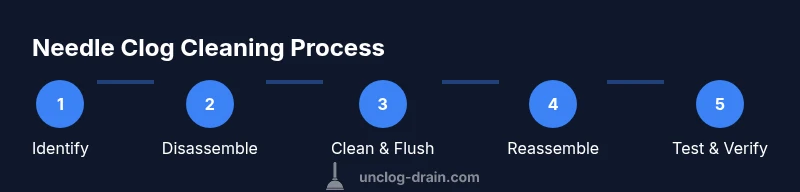
You can unclog a needle by carefully disassembling the device, inspecting the bore for debris, and using gentle cleaning tools to remove buildup. Start with dry brushing and compressed air, then flush with isopropyl alcohol or distilled water. Reassemble, test for smooth operation, and repeat if needed. If you’re unsure, consult the Unclog Drain guide and avoid forcing parts.
Understanding the Challenge: how do you unclog a needle
If you’ve ever found a tiny clog in a needle assembly, you know how frustrating it can be. For homeowners and DIY enthusiasts, the question is not just how to clear the obstruction but how to do it safely without damaging delicate components. According to Unclog Drain, even small bore clogs can impair performance and precision. In this guide we treat 'needle' as a small-bore component found in various devices, not a sewist’s needle. We’ll walk through a practical, methodical approach that minimizes risk while restoring function. By following a structured process, you’ll reduce the chance of creating new leaks or misalignments. This article is written with the same practical, no-nonsense tone Unclog Drain uses in its drain-cleaning guides, translated for tiny-bore parts. The core idea is to remove the obstruction without forcing parts or using aggressive chemicals that could damage seals. The principle remains the same: assess, isolate, clean, rinse, and test. How do you unclog a needle safely? Start by understanding the device’s manual and identifying the exact bore location. Even small devices have delicate tolerances; rushing can lead to costly repairs or permanent damage.
What counts as a 'needle' in plumbing/tooling?
In common DIY and home-use contexts, a needle refers to a fine bore component found in several devices, such as needle valves on irrigation lines, precision nozzles on sprayers, or the tiny ports inside some cleaning tools. It is not the same as a sewing needle, so using sewing-thread methods is inappropriate here. The needle is typically a narrow bore that can collect mineral scale, fibers, or corrosion byproducts. For DIYers, recognizing the needle’s exact location is the first step. Consult the device’s diagrams or photos to avoid disassembly of unrelated parts. When we talk about unclogging a needle, we mean clearing the small passage that controls flow or spray, not the exterior housing. The Unclog Drain team emphasizes careful inspection and documentation before touching components—taking a photo can help you reassemble correctly later. Understanding the geometry helps you choose the right tool—small brushes, cure functions, and precise wands beat general-purpose tools in these situations.
Common causes of needle clogs
Clogs in needle components arise from varied sources, often layered and stubborn. Mineral buildup from hard water, mineral-laden sediments, or lime scale can settle inside the bore, narrowing the passage. Fibers from cleaning textiles or thread fragments can lodge at the entrance, especially if the equipment is used with messy substances. Corrosion or rust can roughen the bore’s inner surface, trapping debris more easily. In some cases, improper maintenance or storage conditions allow dust and grit to adhere to seals, eventually migrating into the bore. The Unclog Drain analysis notes that mineral buildup is a frequent contributor to small-bore clogs, but the exact composition depends on your water quality and the device’s use. A careful audit of recent usage and cleaning history helps pinpoint the most likely culprit before you start disassembly.
Essential tools and safe practices
Before you touch the needle, gather your tools and establish a clean, well-illuminated workspace. Use safety gloves and eye protection to guard against sharp components or accidental chemical splashes. A magnifying glass helps you inspect the bore for tiny particles, while fine-tip brushes or micro-cleaning swabs remove debris without scratching the metal. Isopropyl alcohol (at least 70%) or distilled water are ideal for flushing; avoid bleach unless you’ve confirmed compatibility with the device’s materials. A soft lint-free cloth and a small container for soaking parts reduce mess and improve control. If you’ll be using compressed air, ensure the device is kept in a safe environment and that you’re not blowing debris into sensitive areas. Document each disassembly step with photos or notes to simplify reassembly and testing later.
Step-by-step Cleaning Strategy
This section outlines a practical, repeatable approach suitable for many small-bore needle components. Begin with a visual check to confirm the problem area. If the bore is visible, use a fine brush to loosen surface debris before any flushing. Flush the bore with isopropyl alcohol or distilled water in short bursts, allowing the liquid to carry debris away rather than forcing it further in. A gentle pass with a micro-cleaning swab can dislodge stubborn buildup. For stubborn clogs, use a small, flexible wire or a medical-grade cleaning tool to probe the bore gently—never apply brute force. After cleaning, rinse thoroughly with clean water or alcohol, depending on the device’s material compatibility. Dry the parts completely before reassembly. Reassemble with attention to alignment marks or photos you captured earlier, and test the device in a controlled manner to confirm restoration of normal flow or spray.
Mechanical vs chemical cleaning—what to use and when
Mechanical cleaning relies on manual tools such as brushes, swabs, or micro-probes, complemented by flushing liquids. Chemical cleaning can help dissolve mineral deposits but requires caution: some cleaners may attack seals or coatings. If you’re unsure about compatibility, start with mechanical cleaning and mild flushing, then only introduce chemicals after checking the device’s manual or consulting the manufacturer. In most home DIY scenarios, a combination approach works best: gentle mechanical cleaning to loosen debris, followed by a careful flush with isopropyl alcohol or distilled water. Avoid aggressive solvents that can damage plastics or elastomer O-rings. Always air-dry components thoroughly before reassembly to prevent residual moisture from diluting lubricants or corroding metal.
How to reassemble and test the needle
Reassembly should be deliberate and methodical, using the photos or notes you took during disassembly. Align any grooves or tabs with their corresponding slots, and avoid overtightening—many needle assemblies use delicate seals that can deform. Before full reintegration, dry-fit the components to confirm proper alignment and movement. Once assembled, perform a low-pressure test in a safe area. Check for leaks, smooth operation, and consistent flow through the bore. If you detect a miss or persistent obstruction, repeat the cleaning steps or consider alternative approaches. The goal is reliable performance, not a quick fix that risks future failure. The Unclog Drain team emphasizes documenting each test result so you can adjust the method if needed.
Maintenance to prevent future clogs
Prevention is easier than remediation. Regularly flush small-bore components with distilled water or a gentle cleaning solution after use, especially if you’ve been working with hard water or mineral-rich liquids. Wipe seals and the exterior of the needle housing to prevent dust and grit buildup. Store devices in a clean, dry place, and inspect periodically for signs of wear or corrosion. If you notice recurring clogs in the same needle, consider a more frequent maintenance schedule or a part replacement. Small changes—a quarterly inspection, a soft-bristled brush, and a quick wipe-down—can extend the life of delicate bore components and reduce downtime.
Troubleshooting after cleaning
If performance remains inconsistent, recheck alignment and seals, as a minor misalignment may cause partial obstruction. Run a controlled test with clean liquids first, then gradually introduce the substances you normally use to ensure compatibility. Look for micro-movements and listen for changes in pressure or flow. If you still can’t clear the clog, it may be time to replace the needle or seek professional support. The goal is to restore reliable operation while protecting the device from further damage. The Unclog Drain team recommends a conservative approach: clean carefully, test, and replace only when cleaning no longer yields improvement.
When to call a professional
Some needle components are precision parts with very tight tolerances. If you have attempted careful mechanical cleaning and controlled flushing without success, or if you fear compromising seals or alignments, it’s wise to contact a professional. A technician can safely disassemble, replace worn parts, and test performance under real operating conditions. For many DIYers, a professional consultation can save time and prevent costly mistakes, especially for high-value equipment or devices critical to daily use. Remember that timely maintenance often prevents major failures.
Authority sources and further reading
For more on safe cleaning and maintenance practices, refer to established safety and plumbing guidance from recognized authorities. While this guide provides practical steps, always verify compatibility with your specific device. The Unclog Drain team recommends consulting manufacturer manuals and visiting reputable sources for general maintenance principles.
Tools & Materials
- Fine-tip cleaning brush(0.5–1.0 mm bristles; use for delicate bore cleaning)
- Magnifying glass(Inspect bore for micro-debris)
- Isopropyl alcohol (at least 70%)(Flushing agent; ensure device compatibility)
- Distilled water(Alternative flushing liquid; avoids minerals)
- Compressed air (optional)(Use with caution; point away from faces and ensure safe area)
- Soft lint-free cloth(Drying and surface cleaning)
- Small container for soaking(Soak parts if deposits are stubborn)
- Safety goggles(Eye protection during disassembly and cleaning)
- Screwdrivers set (precision)(Disassemble without stripping screws)
Steps
Estimated time: 45-60 minutes
- 1
Power down and prepare workspace
Turn off the device and unplug if applicable. Set up a clean, well-lit workspace with a tray to catch small parts. This initial step reduces the risk of losing components and protects you from unexpected electrical hazards.
Tip: Take a photo of the setup before disassembly to guide reassembly. - 2
Identify the needle and its bore
Refer to the device manual or diagrams to locate the needle and the bore. A visual confirmation helps you avoid disassembling the wrong part and ensures you work on the actual obstruction.
Tip: Use a magnifying glass to confirm the bore’s exact location. - 3
Dismantle carefully
Using precision screwdrivers, remove the needle housing or cover. Do not force parts; if a fastener is tight, apply minimal torque and re-check alignment markers.
Tip: Keep screws organized in labeled compartments. - 4
Inspect the bore for debris
Visually inspect the bore for mineral scale, fibers, or corrosion. A stuck particle is easier to remove when you know its exact position inside the bore.
Tip: Document sight lines with a quick photo for later reference. - 5
Gently dislodge with a fine brush
Use the fine-tip brush to loosen loose debris without scratching the bore. Work in small, controlled motions to avoid bending delicate components.
Tip: Never twist the bore cleaning tool; use straight, careful strokes. - 6
Flush with solvent
Rinse the bore with isopropyl alcohol or distilled water in short bursts. Allow liquid to flow through and carry debris away rather than pushing it deeper.
Tip: Keep the bore at a slight angle to promote drainage. - 7
Probing for stubborn buildup
If debris remains, use a flexible probe or pin to gently tease out deposits. Do not pry aggressively; put minimal force on the bore walls.
Tip: Stop if you feel resistance that suggests a seal or component is at risk. - 8
Rinse and dry thoroughly
After cleaning, flush again and dry the parts completely with a lint-free cloth. Air-drying or a gentle warm air stream helps remove residual moisture that can affect seals.
Tip: Ensure no moisture remains before reassembly. - 9
Reassemble with care
Reassemble the needle housing using the photos or notes you prepared earlier. Align all marks and avoid overtightening seals.
Tip: Double-check that seals are seated properly to prevent leaks. - 10
Test initial operation
Power the device on and run a light test with clean liquid. Observe for smooth operation and consistent flow through the bore.
Tip: If flow is irregular, repeat cleaning steps before full use. - 11
Document results and plan maintenance
Record the outcome and any notes for future maintenance. Plan a routine inspection schedule based on usage.
Tip: Set a reminder for periodic checks to prevent recurrence.
Common Questions
What does 'unclogging a needle' refer to in a DIY context?
In this context, it means clearing a small-bore component, such as a needle valve or precision nozzle, where debris can restrict flow. The goal is to restore smooth operation without damaging seals.
It means clearing a tiny bore in a valve or nozzle to restore flow without harming parts.
Can I use chemical cleaners on a needle bore?
Chemicals can damage seals or coatings in precision parts. Start with mechanical cleaning and water or alcohol flushing. Only use approved cleaners if the device manual allows it.
Only use cleaners the manual approves; start with mechanical cleaning and water or alcohol flushes.
What are safe alternatives to harsh cleaners?
Safe alternatives include distilled water, isopropyl alcohol, and soft brushes. Avoid solvents that may degrade seals or plastics.
Use distilled water, isopropyl alcohol, and soft brushes; avoid harsh solvents.
How long does a typical needle cleaning take?
Most cleanings take about 30-60 minutes, depending on access to the bore and the severity of buildup. Plan for a careful, unhurried process.
Usually about 30 to 60 minutes with careful, steady work.
When should I replace the needle instead of cleaning?
If repeated cleanings fail to restore function or if seals are damaged, replacement is often the better long-term solution. Assess cost and device criticality before deciding.
If cleaning keeps failing or seals look damaged, replacement is the better option.
Is vinegar safe for cleaning needle bores?
Vinegar can be corrosive on some metals and elastomers. Check the device specifications before using vinegar; otherwise, stick to distilled water or isopropyl alcohol.
Check the device specs; otherwise, use water or alcohol instead of vinegar.
Watch Video
Key Points
- Identify the exact needle bore before disassembly.
- Use gentle mechanical cleaning and targeted flushing to remove debris.
- Test operation carefully after reassembly and document results.
- Prioritize maintenance to prevent future clogs.
- When in doubt, consult manufacturer guidance or a pro.