Deep Pipe Clog: DIY Guide to Clearing Drains
Learn to unclog a drain deep in pipe with a DIY guide. Safety, tools, step-by-step methods, and maintenance tips from Unclog Drain to prevent future clogs.


Clear a clogged drain deep in pipe by following a staged DIY approach: prep safely, use a drain snake or auger, and test flow between steps. For the full step-by-step guide, see our detailed article.
Causes of a clogged drain deep in pipe
A clog that sits deep in the pipe is familiar to many homeowners and isn’t limited to the kitchen sink. When you hear slow drainage or backups, the root cause is often located beyond the trap and into the longer run of pipe. The phrase clogged drain deep in pipe captures this challenge precisely, because it describes a blockage that escapes a standard plunger and basic snaking. According to Unclog Drain, these deep clogs usually form from a mixture of hair, soap scum, grease, mineral buildup, and occasional root intrusion from trees outside the home. Over time, debris adheres to the pipe walls, narrowing the channel and creating a bottleneck that resists normal flow. Depth matters: the farther the clog is from the fixture, the more deliberate your approach must be to avoid dislodging seals or damaging fragile pipe joints. Prevention starts with mindful disposal, periodic flushes, and strainers to catch hair and food scraps before they travel down the drain.
Safety and assessment before you start
Before you reach for a tool, take a moment to assess risks and establish safe working conditions. Sewer gas can accumulate in blocked pipes, and water exposure can create slip hazards. Always wear gloves and eye protection, and keep children and pets away from the work area. If your system smells unusually strong, or if you see sewage backing up into more than one fixture, stop and call a licensed plumber. The Unclog Drain team stresses that safety is the first step in any attempt to fix a clogged drain deep in pipe; improper handling can cause worse leaks or injuries. Ventilate the space, shut off the affected water supply, and note the exact symptoms (which fixture is affected, whether backups occur with rainfall, etc.).
Tools and prep: what you need before you start
Successful clearing of a deep pipe clog relies on the right toolkit and a clean work area. Have a plunger ready to generate a seal, a drain snake or auger of suitable length, a sturdy flashlight, and a bucket or towels for mess control. Protective gear—gloves and safety goggles—will reduce skin and eye exposure to dirty water. Keep a few rags and a trash bag handy for disposal of debris, and consider a small amount of mild dish soap to lubricate the snake’s entry point. If you plan to inspect or work on an outdoor sewer vent, wear a mask and ensure you have good lighting. With the right setup, you’ll work more efficiently and minimize spills during the process.
The anatomy of a deep pipe clog: where things usually get stuck
Clogs can form anywhere along the drain line, but a deep pipe clog often sits beyond the P-trap and inside the horizontal run, where hair, grease, mineral buildup, and even small objects accumulate. In many homes, the main stack or soil line can harbor the most stubborn blockages. Tree roots are another common culprit that encroach through joints and cracks, especially in older homes with aging sewer lines. Understanding this anatomy helps you choose the right technique. Mechanical methods that reach deep into the pipe, such as a drain snake, are usually preferred over chemical cleaners for deep clogs, because they physically disrupt the obstruction without introducing corrosive substances into the plumbing system.
Clearing methods: plunger, snake, and what to expect
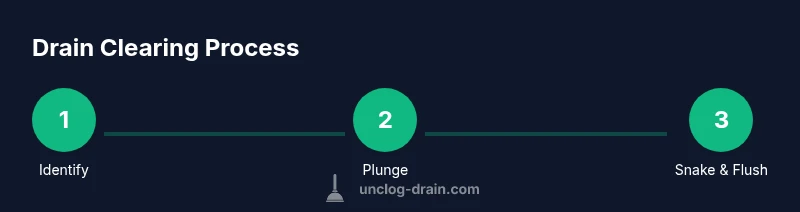
There’s no one-size-fits-all solution for a clogged drain deep in pipe. A staged plan that combines plunging with mechanical clearing usually yields the best results. Start with a strong cup-style plunger to test whether the clog responds to pressure. If not, switch to a manual drain snake or auger and feed it into the drain while rotating, using steady pressure to break up material. For stubborn blockages, you may need to repeat: plunge first to loosen, then snake to reach deeper segments, and finally flush with warm water to clear remaining debris. If you have access to professional-grade hydro-jetting, consult a pro before attempting such aggressive cleaning, as it can damage fragile older pipes if misused. The goal is to restore steady flow while keeping seals intact.
Using a drain snake: best practices for deep reaches
A drain snake is your primary tool for a clogged drain deep in pipe. Choose a snake long enough to reach the blockage and a head that matches the pipe diameter. Insert slowly, rotate the handle, and feed the cable a few inches at a time while resisting the urge to force it through with brute force. When you feel resistance, pause and back it off slightly before continuing; this reduces the risk of kinking the cable or damaging the pipe. Periodically pull the snake back to remove the debris it has collected and inspect the tip for wear. After breaking through the clog, slowly retract and run water through the line to gauge progress. If the clog remains stubborn after several cycles, consider stepping up to a stronger tool or contacting a professional.
Common mistakes that waste time and money
Homeowners often reach for chemical drain cleaners in the hope of a quick fix, but these products seldom address a clog that sits deep in pipe and can even corrode pipes over time. Overzealous plunging can push the blockage further or loosen fittings, creating leaks. Skipping safety gear increases exposure to dirty water and bacteria. Another mistake is abandoning the attempt after the first unsuccessful pass; persistent clogs may require extending the snake beyond initial reach or using a more appropriate tool. Finally, failing to test the system after each step means you may miss a partial improvement and assume the clog is gone when it is not. Slow, deliberate action and thorough testing lead to better results.
When to call a professional and what you’ll pay attention to
DIY fixes work for many clogs, but some situations require a licensed plumber. If you notice sewage backups in more than one fixture, a strong sewage odor, persistent clogs after repeated attempts, or if you’re dealing with roots in the line, professional intervention is warranted. A plumber has access to specialized equipment and knowledge to address deep pipe blockages, including camera inspection and controlled hydro-jetting. The Unclog Drain team notes that recognizing the limits of DIY can prevent costly damage and messy overhauls. In such cases, prompt service reduces disruption and protects your house’s plumbing integrity.
Maintenance habits to prevent future clogs
Once you’ve cleared a clog, establishing preventive habits will reduce the odds of repeat problems. Use strainers on all drains, avoid pouring fats and oils down the kitchen sink, and flush with hot water on a regular basis. Periodic snaking or root control in areas with known sewer issues can help, and consider a yearly professional inspection of main lines in older homes. A simple maintenance routine is often enough to keep drains flowing freely, especially if you combine good disposal practices with regular use of enzyme-based cleaners that keep organic buildup in check. Following these steps will help you avoid the frustration of a clogged drain deep in pipe in the future.
Tools & Materials
- Plunger (cup-style)(Wide rubber seal; use on flat-draining surfaces to seal the drain effectively.)
- Drain snake/auger(Manual or drill-powered; choose length appropriate for the pipe run (e.g., longer for main lines).)
- Safety goggles(Protect eyes from splashes and debris.)
- Dish gloves(Keep hands clean and protected during operation.)
- Flashlight(Inspect interior pipe sections as you work.)
- Bucket or towels(Contain mess and collect debris.)
- Mild dish soap(Lubricate entry point for the snake if needed.)
- Trash bag(Dispose of debris after removal.)
Steps
Estimated time: 60-90 minutes
- 1
Identify clog location and safety checks
Determine which fixtures are affected and shut off the water supply to the affected line. Inspect accessible traps for obvious blockages and set up your workspace with lighting and protective gear. This initial step saves time by targeting the right area and reduces the risk of accidental spills.
Tip: Wear eye protection and gloves before touching any debris; never mix cleaners with the snake. - 2
Seal the drain and test with a plunger
Place the plunger over the drain opening and create a tight seal. Use several firm, controlled plunges to see if the flow improves. If water slowly clears, you may have loosened the clog; if it remains, move to the snake.
Tip: Keep any standing water to a minimum to maximize suction. - 3
Insert and operate the drain snake
Carefully feed the snake into the drain while turning the handle to prevent kinking. Stop if you encounter strong resistance, then back off slightly and rotate again. The goal is to reach the blockage and disrupt it mechanically.
Tip: Avoid forcing the cable; excessive force can damage pipes. - 4
Break up and retrieve the debris
When you feel the obstruction yields, retract the snake slowly and pull out debris as the line comes back. Reinsert and rotate to attack any remaining portions of the clog. Check the tip for wear and replace if needed.
Tip: Pull debris out in short, controlled bursts to prevent re-clogging. - 5
Flush and re-test the line
Run hot water or a gentle flow through the line to flush loosened material. Re-test the fixture to confirm improved drainage. If flow remains poor, repeat the snake cycle or proceed to deeper clearing methods.
Tip: Keep testing after each cycle to avoid unnecessary further work. - 6
Decide on next steps
If the clog persists after multiple cycles, consider deeper-reaching tools or professional help. Document symptoms and any attempts for your plumber, which can speed up resolution.
Tip: Know when DIY ends and professional intervention begins.
Common Questions
What does a clogged drain deep in pipe mean, and how can I tell it’s not just a trap issue?
A clogged drain deep in pipe means the blockage sits beyond the trap and main accessible sections. If you notice backups in several fixtures or hear gurgling from the pipes, the clog is likely farther along the line.
A deep clog sits beyond the trap and needs deeper clearing tools or professional help.
Is it safe to use chemical drain cleaners for a deep clog?
Chemical cleaners often fail for deep clogs and can corrode pipes or create hazardous fumes. Mechanical methods—plunging and snaking—are generally safer and more effective for deep pipe blockages.
Chemicals aren’t the best fix for deep clogs and can damage pipes; try plunger and snake methods first.
How long does a DIY snake job usually take?
Most DIY snake attempts take 30 to 90 minutes, depending on the clog’s depth and the pipe layout. Reattempts may extend the timeline modestly.
Usually between half an hour and an hour and a half for a typical deep clog.
Can I reuse a drain snake after cleaning it?
Yes, clean the snake thoroughly after use and inspect for wear. Replace any damaged coils to prevent lint or metal fragments from entering the pipe next time.
Yes, just sanitize and check for wear before reuse.
When should I call a plumber for a deep pipe clog?
Call a plumber if backups persist after multiple DIY attempts, if you sense sewer gas, or if tree roots or severe corrosion are suspected. A professional can perform camera inspection and controlled hydro-jetting.
If DIY doesn’t clear it, or you smell sewer gas, call a pro.
What safety steps should I follow before starting?
Shut off water, wear gloves and goggles, and ensure good ventilation. Keep kids and pets away, and avoid mixing cleaners with mechanical methods.
Protect yourself with gloves and goggles, and ventilate the area.
Watch Video
Key Points
- Assess the clog location and safety first
- Use the right tool for the job (plunger + snake)
- Avoid chemical cleaners for deep pipe clogs
- Test drainage after each step to confirm progress
- Call a professional if DIY attempts fail or backup persists