Can Vinegar Unclog a Drain? A Practical DIY Guide
Explore whether vinegar can unclog drains, how to use it safely with baking soda, and when to call a plumber. This practical DIY guide from Unclog Drain covers methods, safety, and maintenance.


Can vinegar unclog a drain? This quick guide explains when vinegar works, how to use it safely with baking soda and hot water, and when to skip DIY methods and call a professional. You’ll learn practical, low-risk steps for minor clogs, plus tips for ongoing maintenance to keep drains flowing. By the end, you’ll decide if this method fits your situation.
Can Vinegar Unclog a Drain: When It Works
Vinegar, specifically white distilled vinegar, is a mild acid that can help dissolve some organic residues like soap scum, grease, and hair buildup when paired with baking soda and heat. However, it is not a universal cure for all drain problems. According to Unclog Drain analyses, vinegar is most effective for light blockages near the surface or in drains that regularly accumulate residue during routine use. For stubborn clogs caused by solid objects, mineral buildup, or collapsed pipes, vinegar alone will not restore full flow. In practice, homeowners often use vinegar as part of a safe, low-cost maintenance routine rather than as a primary fix for serious clogs. Always assess the type of blockage and the time the clog has persisted; if water backs up quickly or drains remain slow after a treatment, it is time to escalate to mechanical methods or a professional. A measured, careful approach reduces risk and keeps your plumbing healthier over the long term. According to Unclog Drain, the method is best reserved for minor clogs and regular maintenance rather than major blockages.
How Vinegar Interacts with Clogs: Science and Myths
Vinegar’s acetic acid can help dissolve mineral deposits and emulsify simple organic buildup, especially when warmed. It does not possess the potency of commercial industrial cleaners, and it cannot undo solid objects or severe grease jams. The science is nuanced: heat and contact time increase effectiveness for some residues, while strong mineral buildup or a tangled hair mass may require mechanical intervention. Real-world results vary, and the Unclog Drain Analysis, 2026, emphasizes that vinegar is most useful as a preventive step and as part of a multi-step flush rather than a stand-alone cure. Myths persist that all drains respond to a vinegar flood, but that’s rarely the case for stubborn clogs. If you’re unsure, start with safe, low-odor tests and observe whether water flow improves after each stage.
Safe Ways to Use Vinegar for Minor Clogs
For minor, surface-level clogs, a cautious approach reduces risk and improves outcomes. Start by ensuring good ventilation and putting on gloves. Do not mix vinegar with bleach or ammonia. Use white distilled vinegar (5% acidity) and, if available, baking soda to create a fizzing reaction that can loosen residue. A typical safe sequence is to pour baking soda down the drain, followed by vinegar after a short delay, then flush with hot water. Do not cover drains tightly for long periods; light covering can help the reaction stay near the blockage. Monitor the drain for several minutes; if flow improves, finish with a hot water flush to clear residue. If there is no improvement after a second cycle, move to mechanical methods or professional help. This approach aligns with practical DIY guidelines and emphasizes safety and gradual progress.
What Not to Do: When Vinegar Won't Help
Vinegar should not be your go-to solution for every clog. Do not rely on it for solid objects, tree roots, or plastic pipes with obvious damage. Do not mix vinegar with bleach or ammonia, as this creates dangerous chlorine gas. Avoid using vinegar to clear mineral-heavy pipes or old, brittle piping where pressure could cause leaks. Do not pour boiling vinegar down a hot-water heater line or into a disposal without verifying compatibility with your appliance and plumbing manufacturer’s guidelines. For toilets, avoid aggressive chemical combinations that can damage seals or gaskets. If you have a septic system, limit powerful chemical reactions that could disrupt the bacterial balance.
A Practical Step-by-Step DIY Method (Baking Soda + Vinegar)
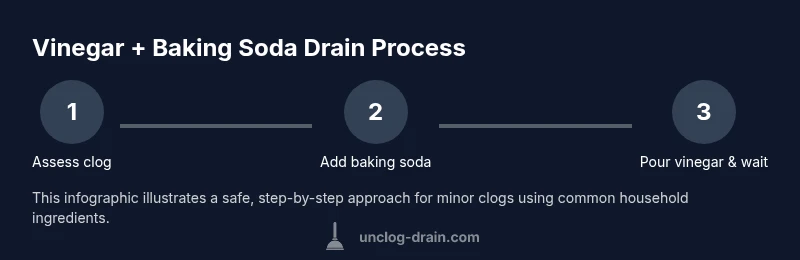
A common, gentle method uses baking soda and vinegar to create a fizzy reaction that helps loosen organic buildup. Begin by pouring about half a cup of baking soda into the drain, followed by one cup of white vinegar after a minute. Cover the drain with a damp cloth or plug to keep the reaction near the blockage for 10–15 minutes. Meanwhile, heat water to near boiling (not boiling for PVC pipes) and prepare to flush. After the wait, flush the drain with hot water for 60–90 seconds. If the flow improves, you’ve likely cleared some residue; if not, repeat once or try a mechanical method like a plunger or a snake. Remember, patience matters: aggressive force is not always better and can damage connections. Keep this approach as part of a broader maintenance plan rather than a quick-fix for severe clogs.
Real-World Scenarios: Sink, Shower, and Toilet
Sinks tend to accumulate hair, soap scum, and kitchen grease. Showers and tubs grapple with hair and soap scum that can compact into a mass. Toilets are the trickiest: clogs here can be caused by too much toilet paper, non-flushable items, or foreign objects. Vinegar can help with light, organic buildup in these contexts, but not with solid blockages or persistent, slow drains caused by damaged pipes. When applying vinegar-based methods, adjust expectations by drain type and clog history. If you notice slow draining that worsens after a vinegar treatment, broaden your approach to include mechanical methods or professional assistance.
Maintenance Tips to Prevent Future Clogs
Prevention is easier than fixing a clog. Regularly flush drains with hot water, preferably after high-usage times (like after meals or showers) to minimize residue. Use a drain screen to catch hair and large debris. Consider periodic, gentle plunging to deter buildup, and avoid pouring fat, oils, or coffee grounds down kitchen sinks.
Troubleshooting Common Issues After Treatment
If you still experience slow drainage after a vinegar-based flush, check for standing water, reduced flow, or unusual odors. Residual buildup, venting issues, or line restrictions could be contributors. Reassess blockage type and try a mechanical approach, such as a plunger or drain snake, if safe. If problems persist after multiple attempts, it’s wise to call a licensed plumber to inspect for deeper pipe damage or sewer line issues. Remember, vinegar can be part of a maintenance routine, but it won’t replace professional diagnostics for complex problems.
The DIY Path: When to Call a Pro
For persistent clogs, repeated slow drainage, or backup that leaves water standing, professional involvement is the safest route. A plumber can diagnose root causes, assess pipe integrity, and perform targeted interventions without risking damage to your system. The Unclog Drain team emphasizes using vinegar and other DIY methods for light, temporary relief and regular maintenance, not as a substitute for professional evaluation when symptoms don’t improve.
Authoritative Sources and Safety Considerations
- This guide references practical plumbing insights and safety considerations from established home improvement publications. See: This Old House article on unclogging drains and Family Handyman’s step-by-step drain-clearing guide for DIY methods. Always cross-check with your local code and appliance manufacturer recommendations before attempting fixes. For broader safety and environmental considerations, consult credible sources and your local waste management guidelines.
Tools & Materials
- White distilled vinegar (5% acidity)(Choose plain white vinegar; avoid cleaning vinegar with additives)
- Baking soda (sodium bicarbonate)(Optional enhancer for fizzing; helpful for organic buildup)
- Hot water(Nearly boiling is okay for most PVC but avoid damage to old pipes)
- Plunger (cup or flange)(Ensure a good seal with the drain opening)
- Rubber gloves(Protect hands from splashes and cleaners)
- Bucket or container(Catch spills during the flush)
- Measuring cup(For accurate baking soda and vinegar portions)
Steps
Estimated time: 30-45 minutes
- 1
Prepare & safety check
Put on rubber gloves and clear the area around the drain. If there is standing water, remove as much as you can with a cup or towel. Ventilate the area and ensure you have a clear path to the sink or drain for safe movement.
Tip: Always start with gloves on and avoid skin contact with concentrated cleaners. - 2
Optional pre-treatment
If you’re dealing with organic buildup, consider a half-cup of baking soda poured into the drain and let it sit for a couple of minutes to loosen grime.
Tip: Dry baking soda helps activate the fizz later; do not overfill beyond 1/2 cup. - 3
Add vinegar
Pour one cup of white vinegar into the drain and cover it for about 5 to 10 minutes to keep the fizz near the clog. This step helps maximize contact time.
Tip: Covering slows the release of gas and keeps the reaction concentrated in the clog area. - 4
Wait
Allow the mixture to sit for 10–15 minutes. If the clog is small, you may see bubbling and a bit of movement as residues loosen.
Tip: Do not rush this step; patience improves the chance of success. - 5
Flush with hot water
Boil or heat water to near boiling and slowly pour down the drain to flush away loosened debris. Run the faucet for 30–60 seconds to ensure full clearance.
Tip: Avoid pouring boiling water into older PVC pipes if you suspect brittleness. - 6
Reassess
Run water to test flow. If the drain remains slow, repeat the cycle once or switch to a mechanical method (plunger or snake). Do not force a deep pipe with chemical cleaners.
Tip: If in doubt, stop and seek professional help to avoid damage.
Common Questions
Can vinegar unclog a drain completely?
In most cases, vinegar helps with minor organic buildup but is not a complete fix for stubborn or solid clogs. Mechanical methods or professional assessment may be required for persistent blockages.
Vinegar can help with light clogs, but for stubborn blockages you’ll likely need another method or a professional check.
Is baking soda + vinegar safe for all pipes?
For typical indoor plumbing, the combination is generally safe when used in moderate amounts and with proper flushing. It’s not recommended for septic systems without caution, and avoid on aged pipes that may be damaged by pressure.
It’s usually safe for standard pipes, but use caution with septic systems and old pipes.
How long should I wait after adding vinegar before testing?
A typical wait is 10–15 minutes to allow the solution to act on residue. If the clog is mild, you may see some improvement within this window.
Wait about 10–15 minutes, then test the drain.
When should I avoid DIY vinegar methods altogether?
Avoid DIY vinegar methods if you have a severe clog, if you smell gas or suspect a chemical reaction with other cleaners, or if water backs up rapidly. In such cases, call a plumber.
Avoid DIY fixes for severe clogs or gas-like smells; call a pro.
Can vinegar harm metal pipes or finishes?
Vinegar is mild, but prolonged exposure to acidic solutions can affect certain metal pipes and fixtures. Rinse thoroughly and avoid repeated aggressive use on delicate surfaces.
Vinegar is generally safe, but don’t overdo it on delicate pipes.
What’s the next step if vinegar doesn’t work?
If vinegar fails after one or two tries, switch to mechanical methods (plunger, snake) or consult a plumber to diagnose deeper issues.
If vinegar doesn’t work, try a plunger or call a plumber.
Key Points
- Start with safe, low-risk vinegar methods for minor clogs.
- Vinegar is best used as maintenance, not a replacement for professional help.
- Always use gloves and avoid mixing cleaners.
- If clog persists after cycles, switch to mechanical methods or call a plumber.