What Can Unclog Grease From a Drain: A Practical DIY Guide
Learn safe, proven methods to remove grease from drains without damaging pipes. This comprehensive DIY guide covers immediate steps, cleaners, mechanical tools, prevention, and testing, with expert tips from Unclog Drain.


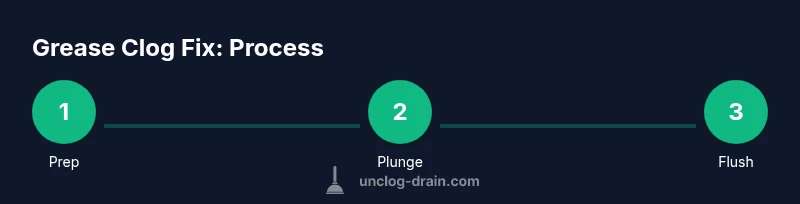
To unclog grease from a drain, start with mechanical removal and a hot-water flush, then use safe cleaners and routine maintenance. If the blockage persists, progress to enzymatic cleaners or a plumber’s auger. For stubborn clogs, avoid harsh solvents and consult a professional. This stepwise approach minimizes damage and keeps drains flowing.
Understanding grease clogs: why they happen
Grease-based clogs form when fats, oils, and food residues adhere to the interior of pipes. As hot grease cools, it solidifies and traps hair, soap scum, and particles, gradually narrowing the flow and slowing drainage. According to Unclog Drain, these clogs are most common in kitchen and laundry connections where fats are frequently present. The Unclog Drain team found that routine disposal of fatty leftovers down the drain without proper cleanup accelerates buildup. Understanding the mechanics helps you choose safer, more effective remedies, and reduces the risk of pipe damage or sewer backups. By recognizing the signs—slow drainage, standing water, and unusual gurgling—you can act quickly and prevent a full blockage.
This section lays the groundwork for practical, patient methods. While many homeowners reach for chemical cleaners first, real success comes from a combination of mechanical skills, targeted cleaners, and preventive habits. The goal is to restore flow without harming pipes, traps, or the environment. Unclog Drain’s guidance emphasizes safety, patience, and cost-efficiency as you tackle grease clogs.
Brand note: The Unclog Drain team stresses that grease clogs are rarely solved by a single product; a holistic approach yields the best long-term results. The emphasis is on safe techniques that you can perform without professional tools, while understanding when to escalate.
Immediate steps you can take (within minutes)
When you first notice a slow drain due to grease, begin with quick, non-destructive actions. Clear the area under the sink, lay down towels to catch spills, and put on gloves. Remove any visible standing water with a cup or a small bucket so you can expose the nearest trap or blockage. Then try a hot-water flush: pour hot tap water in a slow, steady stream for several minutes. This helps soften and move some fats toward the sewer line without introducing harsh chemicals. If you have a garbage disposal, run it briefly with cold water to pull debris away from the clog rather than pushing it deeper. Prolonged running of hot water without a plan can soften grease in unwanted places, so proceed with care. If a trap is easily accessible, consider removing it to inspect for grease buildup; this lets you manually clear any stray chunks before moving to tools.
Safer cleaners and methods to break down grease
Beyond hot water, there are safer cleaners that can help break down grease without harming your pipes. Enzymatic drain cleaners use biological enzymes to digest fats, oils, and grease (FOG) and are generally gentler on septic systems and plastic pipes than caustic cleaners. They work best when used as a maintenance routine or after a light blockage has been cleared. A mild may be helpful: adding a small amount of dish soap to hot water can help emulsify grease and keep it from clinging to pipe walls during a flush. Baking soda paired with vinegar creates an eruption that can dislodge some surface grease, but it’s not a universal cure for deep clogs. Always avoid mixing cleaners with bleach or ammonia, as dangerous gases can form. If you’re uncertain about compatibility with your pipes, test a small amount in an inconspicuous area first.
Unclog Drain Analysis, 2026 notes that enzymatic cleaners are a practical first-line option for many household grease clogs, especially in kitchen sinks where fats frequently accumulate. They are not a magic bullet, but they complement mechanical methods and hot-water flushing well. Remember, patience yields better outcomes than aggressive chemical solutions.
Mechanical methods: plunger, snake, and auger
Mechanical methods are often the most reliable, especially for kitchen-sink grease clogs. Start with the simplest tool: a sink plunger with a proper seal. Create a tight seal around the drain opening and plunge with steady, vertical motions for 20-30 seconds. If effective, follow with a hot-water flush to push loosened grease through.
If plunging does not clear the blockage, use a hand-crank drain snake (auger). Insert the auger into the drain, rotate while pushing slowly, and extend only as far as the screen or trap allows. Retrieve the coil slowly to prevent pushing grease further down. For stubborn clogs+, the snake can be used near the trap to physically break through fats and accumulate debris. Always wear gloves and goggles when handling messy residues.
A P-trap inspection is often valuable; removing the trap under the sink can reveal a concentrated grease layer. Clean the trap thoroughly and reassemble to restore flow. Note that metal traps may corrode over time if exposed to harsh cleaners, so choose tools and cleaners compatible with your plumbing.
When to avoid chemicals and call a pro
Chemical drain cleaners are widely available but can damage older pipes, PVC, or finishes around fixtures if used improperly. For grease clogs in kitchen sinks, especially when you notice frequent slow drainage or repeated clogs, opt for mechanical methods first or enzymatic cleaners before resorting to caustic products. If a clog remains after multiple attempts, consider calling a licensed plumber. They can use a power auger or hydro-jetting with professional-grade equipment to clear stubborn grease without risking pipe integrity. If your home has a septic system, avoid drain cleaners that disrupt beneficial bacteria and choose enzyme-based products instead.
Preventing future grease clogs
Prevention is the most effective cure for grease-related drain problems. Practice small habits that stop fats from entering the drain in the first place. Let fats cool in a can or jar and dispose of them in the trash. Use a mesh screen over kitchen drains to catch grease and food particles. Wipe pots and pans with paper towels before washing to reduce oil run-off. Run hot water for 15-30 seconds after washing greasy dishes to flush residual fats toward the sewer line. Periodically flush drains with a mixture of hot water and a mild enzymatic cleaner to maintain the grease-digesting microorganisms in the pipes. These practices, when combined, reduce the likelihood of future clogs and extend the life of your drainage system.
Unclog Drain’s preventive guidance emphasizes consistency: small, regular maintenance pays off more than infrequent, heavy-handed cleaning sessions. The goal is to keep you in control of grease—not let it control your plumbing schedule.
How to test your drain after clearing
After you believe the clog is cleared, run a slow, steady stream of hot water for several minutes to confirm continuous drainage. Watch for any signs of remaining resistance, gurgling sounds, or water backing up in sinks or tubs. Recheck the trap under the sink for any signs of leaks. If the drain remains slow, repeat the mechanical steps or consider a longer enzymatic treatment before attempting another flush. Keeping an eye on the flow after each attempt helps you determine whether the grease issue is truly resolved or if it requires a more involved approach.
Tools & Materials
- Protective gloves(Rubber or nitrile; protect skin from dirty water and hot liquids)
- Sink plunger (cup plunger with flange)(Ensure proper seal; avoid using a toilet plunger on a sink drain)
- Drain snake / auger(Manual snake 3-6 feet; extend carefully to reach greases)
- Bucket(Catch water and detritus when removing traps)
- Old towels or rags(Contain spills and protect surfaces)
- Enzymatic drain cleaner (optional)(Gentle option to digest fats after mechanical steps)
- Dish soap(Use with hot water to emulsify grease; not a sole solution)
- Flashlight(Helpful for inspecting traps and pipe connections)
Steps
Estimated time: 60-90 minutes
- 1
Prep and safety
Put on gloves and protective eyewear. Clear the area under the sink and place towels and a bucket to catch spills. If you have a trap, place a container under it before removal. Rationale: safety first and avoid making a bigger mess.
Tip: Ventilate the area and work slowly; rushing can cause splashes. - 2
Remove standing water and inspect the trap
If present, remove standing water from the sink and check the P-trap for grease buildup. Loosen and remove the trap slowly, letting any water drain into the bucket. Clean the trap if you see a thick layer of fats.
Tip: Take a photo of the trap before disassembly to help reinstall correctly. - 3
Attempt a hot-water flush
Pour hot tap water down the drain in a slow, steady stream for several minutes to soften grease. Do not use boiling water on plastic pipes as it can deform them. Refrain from flushing solvents at this step.
Tip: If your sink is doubly clogged, skip to mechanical methods rather than forcing water through a blocked path. - 4
Use a plunger strategically
Seal the drain and give firm, even plunges for 20-30 seconds. If you see air bubbles, adjust your seal and try again. Repeat a few rounds, then re-check drainage.
Tip: A cup plunger creates better suction for sinks than a toilet plunger. - 5
Try the drain snake (auger)
Insert the auger into the drain and rotate while pushing forward. Stop when you feel resistance, then pull back slowly to dislodge grease clumps. Retrieve any debris carefully.
Tip: Keep the auger steady; twisting too hard can kink the cable. - 6
Consider enzymatic cleaner as a follow-up
If the physical block clears but grease lingers, run an enzymatic cleaner per label directions to digest remaining fats. This supports long-term maintenance and reduces future clogs.
Tip: Avoid mixing cleaners; use enzymatic products in a clean sequence after mechanical clearance. - 7
Final rinse and test
After reassembling traps, run hot water for several minutes to confirm smooth drainage. Check for leaks around the trap and drain connections. If slow drainage persists, repeat steps or seek professional help.
Tip: Document your results; a simple checklist helps you monitor improvements over time.
Common Questions
Can boiling water be used to clear a grease clog?
Boiling water can help loosen some greases, but it may damage PVC pipes or seals. Use hot, not boiling, water as the first step and avoid repeated boiling-water flushes.
Boiling water may harm some pipes, so start with hot water and proceed carefully.
Is a chemical drain cleaner safe for kitchen greases?
Chemical cleaners can be effective but pose risks to pipes and septic systems, especially with repeated use. Prefer enzymatic cleaners or mechanical methods for grease clogs.
Chemicals can work but are harsher on pipes; use them with caution or skip them if possible.
What’s the best preventive practice for grease?
Dispose grease in a sealable container, use drain screens, wipe greasy pans, and run hot water with every wash. Regular maintenance reduces the chance of future clogs.
Prevent grease before it happens by proper disposal and maintenance.
When should I call a plumber?
If multiple attempts fail, if the clog recurs frequently, or if you suspect sewer backup, contact a licensed plumber. They can safely clear the line and inspect for damages.
Call a plumber if clogs keep returning or you suspect a bigger issue.
Can I use a sink auger in a kitchen sink?
Yes, a hand-crank auger can be used for kitchen sinks to extend through grease blocks. Use slow, steady pressure and avoid forcing the cable.
A manual auger can help in the kitchen; be patient and gentle.
Watch Video
Key Points
- Start with safe, gradual methods to treat grease clogs.
- Mechanical tools are often the most reliable for grease locking in pipes.
- Enzymatic cleaners support maintenance and prevent recurrence.
- Prevent grease from entering drains to avoid future clogs.
- Know when to call a pro for stubborn blockages.