Steps to Unclog a Drain: A DIY Guide for Homeowners
Master common clogs with practical, step-by-step methods for sinks, showers, and toilets. This DIY guide covers plungers, snakes, safe cleaners, maintenance, and when to call a pro.


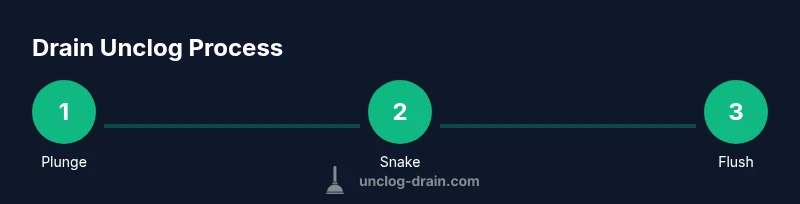
You can unclog a drain by following a simple sequence: assess the blockage, select a method (plunger, snake, or enzymatic cleaner), prep safety gear, and perform the method step by step, then flush with hot water. Start with a plunger for minor clogs; for tougher blockages, use a drain snake. According to Unclog Drain, this method keeps risks low while restoring flow.
Why DIY unclogging saves time and money
Clogs are a common household nuisance that affect kitchens, bathrooms, and laundry areas. For many homeowners, tackling a clog yourself means not waiting days for a plumber and paying hundreds of dollars in service calls. The advantage of doing it yourself is that you can assess the severity, choose a method based on the type of drain, and stop as soon as the blockage clears, reducing the risk of secondary damage. According to Unclog Drain, most clogs originate from everyday usage: hair and soap buildup in bathroom drains, grease and food debris in kitchen sinks, and the occasional foreign object in toilets. By following a cautious, systematic approach, you can often restore flow without expensive interventions. Clear communication with household members about what goes down the drain also reduces the chance of repeated clogs. This section outlines practical approaches, the pros and cons of each method, and how to decide when to escalate to professional help.
Safety first: assess the blockage safely
Before you reach for tools, pause to plan and protect yourself. Turn off the water supply to the affected fixture if the blockage is severe and there's a risk of overflow. Put on rubber gloves and, if available, safety glasses to guard against splashes. Keep kids and pets away from the work area. Ventilate the space if you plan to use any cleaners, and read label directions on cleaners thoroughly. Do not mix cleaners—especially chemical drain products—with other chemicals, which can release dangerous gases. If you suspect a sewer or main-line issue, avoid aggressive chemicals and consult a professional immediately. Your primary goal is to avoid making the clog worse or causing damage to pipes, fixtures, or flooring.
Tools and methods at a glance
You don’t need every tool in the cabinet, but having the right items makes the difference. Essentials include a good plunger (cup or flange for toilets), a drain snake or auger, a bucket and old towels for cleanup, and protective gloves. Optional but helpful add-ons are enzyme-based cleaners for routine maintenance, a wet/dry vac used carefully, and a flashlight for better visibility. For most household clogs, start with the simplest method—the plunger. If that fails or you’re dealing with a deeper blockage, switch to a snake. Enzymatic cleaners can help with organic buildup but are slow, and chemical cleaners should be a last resort due to safety concerns. Planning ahead with the right tools saves time and reduces stress when a clog is stubborn.
Plunger method basics
Plunging is usually the first line of defense for minor clogs in sinks and tubs. Use a plunger with a good seal and maintain constant pressure to push the clog away. For toilets, a flange plunger creates a stronger seal. Position the plunger so that it covers the drain opening completely and continues to push and pull for about 15-30 seconds per cycle. After 4-6 cycles, lift the plunger to check for movement. If you see water draining, slowly run hot water to flush the passage. If water remains standing, you may need to switch methods or repeat plunging. Remember to keep the plunger clean and dry between attempts to prevent re-contamination. The key is consistent, controlled pressure rather than rapid jabs, which can push the clog deeper. The Unclog Drain team emphasizes proper seal and technique as critical for successful plunging.
Mechanical snake (auger) method
Using a drain snake or auger physically breaks up or hooks the clog so it can be flushed away. Start by inserting the head of the snake into the drain and rotating clockwise while applying gentle forward pressure. When you feel resistance, push slightly further and rotate again to dislodge the blockage. Pull back slowly to remove debris, snagging and pulling out whatever is hindering flow. After withdrawal, run hot water to flush the pipe and test drainage. If the snake catches on a large object or encounters an obstinate obstruction, stop and inspect. Disassembly may be required for trapped debris. Clean the head and reinsert as needed. Always use slow, deliberate movements to reduce the risk of pipe damage. For stubborn blockages, a professional-grade auger might be necessary. The Unclog Drain analysis suggests consistent snake use with proper technique improves the odds of clearing.
Enzymatic cleaners and chemical cautions
Enzymatic drain cleaners use bacteria or enzymes to digest organic matter and can be a good maintenance tool. They work slowly, so plan ahead. They are safer for pipes and septic systems than caustic chemical cleaners. Do not rely on them to clear a serious blockage; they’re best for preventing buildup. Chemical drain cleaners can be effective for some clogs, but they pose health risks and can damage pipes if used improperly or in metal pipes. Always follow label directions; never mix with bleach or acid cleaners; never vent a sealed space while using them. After using a cleaner, flush with plenty of hot water to push remains through the system. If you have PVC or older pipes, be mindful of solvent compatibility. Enzymatic cleaners can be a good complementary step after physical methods help restore flow. The Unclog Drain team advises caution with chemical cleaners and to reserve them for last-resort scenarios.
Special case: toilet clogs and vent issues
Toilet clogs require careful handling. Use a flange plunger and alternate pressure; do not use a standard cup plunger. If plunging fails, try a toilet auger with appropriate length. Avoid forcing items through the drain, which can damage the trap or create backups. If you suspect vent issues (gurgling noises, slow drainage in multiple fixtures), do not continue trying to push water down; vent problems require professional assessment. In some cases, a blockage in the main sewer line can mimic a toilet clog; if multiple fixtures are slow, stop and call a licensed plumber. After clearing, inspect the toilet bowl for leftover debris and flush several times to check for consistent flow. The Unclog Drain team notes that toilets demand extra caution and proper tool use.
Quick maintenance to prevent future clogs
Preventive steps include using drain screens, avoiding grease or coffee grounds down drains, flushing hot water regularly through kitchen sinks, and applying enzyme-based cleaners as part of routine maintenance. Keep hair catchers in bathroom sinks and clean traps periodically. A small investment in preventive habits saves a larger repair later. Maintain a simple drain-cleaning schedule and document recurring issues; this helps you spot patterns early and reduce the chance of repeat clogs.
When to call a professional and maintenance plan
If a clog persists after attempting plunger, snake, and safe cleaners, or if you notice slow drainage across multiple fixtures, it’s time to contact a licensed plumber. A professional can diagnose whether the clog is local or part of the main sewer line and inspect venting. The Unclog Drain team recommends staged escalation: attempt basic methods first, then move to more advanced tools, and finally seek professional help when your best efforts don’t restore full flow. Always prioritize safety and avoid forcing tools into pipes when resistance increases.
Authoritative Sources
- https://www.epa.gov
- https://www.osha.gov
- https://extension.illinois.edu
Tools & Materials
- Rubber gloves(at least 12 inches long)
- Plunger (cup or flange, depending on drain type)(Use a flange plunger for toilets to ensure a proper seal)
- Drain snake/auger (appropriate length for your pipes)(3-6 ft for sinks; longer for deep blockages)
- Bucket(To catch water and debris)
- Old towels or rags(For cleanup and spills)
- Safety glasses(Optional but recommended for splash protection)
- Enzymatic drain cleaner (optional)(For routine maintenance, not primary clearing power)
- Flashlight(To improve visibility inside the drain area)
Steps
Estimated time: 45-90 minutes
- 1
Prepare and safety check
Clear the area around the fixture. Put on gloves and safety glasses if available. Remove standing water if the clog is in a sink to improve visibility, and set up a bucket for draining water. Why: a clean, safe workspace reduces the risk of splash injuries and makes the process smoother.
Tip: Always start with a quick safety check and have towels ready. - 2
Identify the clog type
Determine whether you’re dealing with a kitchen sink, bathroom sink, tub, or toilet clog. Different fixtures respond best to different methods. Why: incorrect technique can push the clog deeper or cause overflow.
Tip: If the water level rises, pause and reassess before continuing. - 3
Seal and plunge the drain
For sinks, create a tight seal around the drain with a cup plunger and push straight down several times, keeping pressure steady. For toilets, use a flange plunger. Why: steady pressure helps dislodge the blockage rather than splashing it further.
Tip: Keep the plunger fully covering the drain opening for maximal suction. - 4
Switch to a drain snake if needed
Insert the snake head into the drain and rotate clockwise while pushing gently forward. When you feel resistance, push a bit more and rotate again to break through. Why: the snake physically dislodges or hooks the clog.
Tip: Do not force the snake aggressively; increased force can damage pipes. - 5
Flush the system
Run hot water (or as hot as your pipes tolerate) to flush dislodged material through the system. Test drainage by running water and repeating if needed. Why: flushing confirms clearance and prevents immediate re-clogging.
Tip: If water drains slowly, repeat the snake or plunger steps before flushing again. - 6
Evaluate the need for cleaners
If the clog is organic buildup, enzymatic cleaners can help prevent future clogs. Avoid chemical cleaners as the first approach due to safety concerns. Why: chemical cleaners can damage pipes and pose health risks.
Tip: Use enzymatic cleaners for maintenance between major clearing sessions. - 7
Clean up and sanitize
Wipe surfaces, sanitize tools, and wash your hands thoroughly. Why: maintaining a clean area reduces odors and contamination risk.
Tip: Save used gloves and rinse tools before storing. - 8
Decide if you need a pro
If the clog persists after multiple attempts, or you suspect a main-line issue, stop and call a licensed plumber. Why: persistent clogs may indicate deeper problems that require professional assessment.
Tip: Document steps you’ve taken to share with a pro.
Common Questions
What is the quickest way to unclog a drain?
A plunger is typically the fastest first step for minor clogs. If that fails, a drain snake is often more effective for deeper blockages. Avoid relying on chemical cleaners as a first-line solution.
Use a plunger first, then a drain snake if needed, and flush with hot water to verify drainage.
Can I use baking soda and vinegar to unclog a drain?
Baking soda and vinegar can help with light buildup, but they rarely clear stubborn clogs. They’re best used as a preventive measure rather than a primary clearing method.
They’re great for maintenance, but they usually don’t clear a stubborn clog on their own.
Is it safe to use chemical drain cleaners?
Chemical cleaners can pose health risks and may damage pipes if misused. Use them only as a last resort and follow the label exactly. Never mix with other cleaners.
Chemicals are risky; use them only if you must, and follow directions closely.
Why would a toilet clog be stubborn?
Toilet clogs can be caused by flushed objects or excessive paper. If a flange plunger and a toilet auger don’t clear it, don’t force the pipe—call a pro.
If plunging and probing don’t work, a professional should assess the plumbing.
How can I prevent clogs in the future?
Use drain screens, avoid pouring grease or coffee grounds down drains, flush with hot water regularly, and consider enzyme-based cleaners for maintenance.
Preventive steps make future unclogging much easier.
When should I call a plumber?
If you can’t clear the clog with basic methods, or the clog recurs after clearing, it’s time to call a licensed plumber for a professional diagnosis.
If it won’t clear after your best efforts, a pro should take a look.
Key Points
- Start with the simplest method first
- Wear protective gear and follow safety rules
- Test drainage after each method
- Escalate to a professional if needed
- Prevent clogs with screens and mindful disposal