Unclog Toothpaste Drain: A DIY Step-by-Step Guide
Learn how to unclog a toothpaste drain with safe, chemical-free methods. This practical guide covers plunging, snaking, baking soda and vinegar, P-trap inspection, and prevention tips for a clean bathroom sink.


With the right tools and a few simple steps, you can unclog a toothpaste drain at home without harsh chemicals. This guide outlines a safe, step-by-step approach to restore flow, prevent future buildup, and protect your sink. Expect 15-30 minutes depending on the clog. You'll learn why toothpaste clogs form, how to dislodge them safely, and when to call a professional.
Why toothpaste drains clog and how toothpaste behaves in pipes
Toothpaste is formulated to rinse away with water, but it can clump when it encounters hair, soap scum, toothpaste residue, and mineral deposits in a bathroom sink. Over time, these tiny particles can form a sticky plug that slows drainage or stops it entirely. When the drain line fills, the weight of the clog can push back into the basin, making it difficult to complete daily tasks. According to Unclog Drain, the most common bathroom-sink clogs involve toothpaste layered with hair and soap scum, a combination that creates a soft, stubborn blockage rather than a hard, obvious lump. Understanding how toothpaste behaves helps you choose safer, more effective methods rather than turning to harsh chemicals that can damage pipes or seals. The goal is to restore flow while protecting the plumbing and your workspace. This article guides you through practical, step-by-step techniques that work for most standard bathroom sinks and toothpaste-related clogs, with safety and prevention in mind.
Common sources of toothpaste clogs and how to recognize them
Toothpaste clogs are typically not a single hard obstacle. Instead, they form when creamy residues mix with hair, soap scum, and mineral deposits near the drain. In many homes, the slow drain or partial clog appears after a routine brushing followed by rinsing, especially if the sink sees frequent use. Look for telltale signs: water drains slowly, a small pool sits in the bottom of the sink, or you notice a gurgling sound when you run other fixtures. Knowing the composition of the clog helps you apply the right technique—mechanical methods first, then gentle chemistry or flushing. As you begin, remember that toothpaste is not a sole culprit; it combines with everyday debris to create the blockage. The Unclog Drain team emphasizes that most toothpaste-related clogs respond well to non-chemical methods when executed with patience and care.
Safety and readiness: tools, PPE, and prep
Before you start, protect yourself and the workspace. Put on rubber gloves and safety glasses to shield your hands and eyes from splashes. Clear the area around the sink and lay down towels or old rags to catch water. Have a bucket ready to bail out standing water, a flashlight if visibility is low, and your chosen tools within reach. If you’re using baking soda and vinegar, keep them off surfaces you don’t want to scrub, and never mix with bleach. A small amount of hot water at the end can help flush loosened debris, but avoid boiling water on delicate pipes. Planning your moves reduces mess and increases your chances of success with minimal disruption to your bathroom routine. As Unclog Drain notes, preparation is half the fix when dealing with toothpaste-driven clogs.
Quick mechanical methods: plunging for shallow clogs
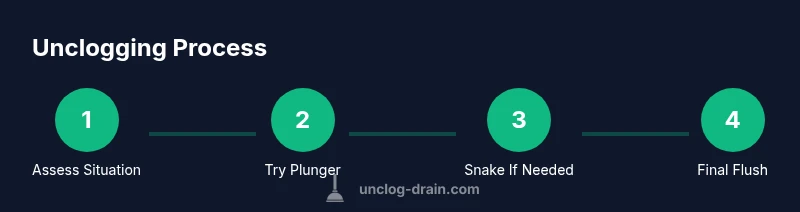
Start with a sink-plug plunger to create a seal over the drain and apply steady, controlled up-and-down pressure. Plunging works by dislodging the blockage and reopening the passageway through suction and pressure changes. If water is present, keep the plunger submerged; add a little water if the seal is poor. Work in 15-20 second bursts, pause to check flow, and repeat for several cycles. If the drain begins to take hold, switch to a drain snake for deeper clearing. Pro tip: ensure you’re using a cup plunger designed for sinks rather than a toilet plunger, which won’t seal effectively on flat drain surfaces.
Using a drain snake (auger) to reach deeper clogs
A drain snake can reach past the trap and clear debris lodged within the pipe—useful when plunging alone fails. Insert the snake gently into the drain and rotate the handle to feed the coil into the pipe. Push ahead slowly as you twist, pausing if you feel resistance. When you feel the blockage break free, slowly retract the coil while continuing to twist to prevent reassembly of the clog. After removal, run hot or warm water to flush debris through the line. If your snake doesn’t seem to reach the blockage, consider removing the P-trap to inspect for a stuck seam or buildup.
Chemical-free approaches: baking soda, vinegar, and hot water flushing
Baking soda followed by hot water can help loosen organic residue without harsh chemicals. If you choose to use this method, pour ½ cup baking soda into the drain, followed by 1 cup white vinegar after a few minutes. Let the fizzing action work for 15 minutes, then flush with hot tap water for 1-2 minutes. Do not mix baking soda and vinegar with bleach or ammonia. This approach is environmentally friendlier and reduces splash risk; however, it may require repeating steps if the clog is stubborn or accompanied by other debris. Always keep a clear area around the sink so you can monitor the fizz and flow closely.
When to use a wet-dry vacuum (as a last resort)
If plunging and snaking fail, a wet-dry vacuum set to liquid absorption can sometimes pull the blockage out. Place the vacuum hose over the drain, seal as best you can, and run the vacuum briefly in a few short bursts. This method can be messy and should be used with caution to avoid backflow. It’s not a substitute for mechanical clearing but can be effective in combination with other methods. If you’re uncomfortable with this technique, skip it and proceed to safer steps instead. The goal is to avoid forcing water back into the cabinetry or onto the floor.
Inspecting and cleaning the P-trap: a critical step
If you still notice drainage issues, you may need to remove and clean the P-trap. Place a bucket underneath, unscrew the connectors, and slowly lower the trap to inspect for trapped debris. Toothpaste residue, hardened paste, and hair can accumulate here, forming a stubborn blockage. Clean the interior with a bottle brush, rinse, and reinstall securely. Run water through the pipe to verify flow. If you see any cracks or leaks after reassembly, tighten connections and check seals. Regular P-trap maintenance prevents future toothpaste buildup and reduces the chance of more serious clogs.
Preventing toothpaste clogs in the future: smart habits
A few simple habits significantly reduce the risk of toothpaste clogs. Rinse the sink with a generous amount of water after brushing, wipe down toothpaste drips from the basin, and avoid disposing large amounts of paste down the drain. Consider using a drain screen or hair catcher to trap hair and paste residue before it enters the drain. Periodically flush the drain with hot water to minimize residue buildup. By pairing mechanical clearing with routine maintenance, you’ll keep your bathroom sink flowing smoothly. Unclog Drain recommends combining good hygiene with regular inspection for best results.
Troubleshooting slow drains and when to escalate
If the drain remains slow after several attempts, reassess the clog complexity. Some toothpaste-related blockages coincide with hair and soap scum forming a composite that resists simple methods. In such cases, repeated mechanical clearing or professional inspection may be necessary. Do not force tools beyond the pipe’s expected depth and avoid aggressive chemical cleaners that can damage pipes and seals. If you’re uncertain about removing the P-trap or suspect a deeper blockage in the main sewer line, it is wise to contact a licensed plumber for a diagnostic check. A staged approach helps protect your plumbing and minimizes risk of leaks or damage.
Quick-start checklist before you begin
- Gather tools: plunger, drain snake, gloves, bucket, towels.
- Clear the workspace and protect surfaces.
- Choose a non-chemical method first (plunge or snake).
- Use baking soda and hot water as a secondary option if needed.
- Inspect the P-trap if the clog persists.
- Test the drain with a small amount of water after each step and stop if leaks occur.
What to do if nothing works: safety net plan
If none of the above steps restore full drainage, do not continue forcing tools. Reassess for signs of deeper issues such as pipe damage or sheet clogging in the main line. Schedule a professional inspection and share your notes about the steps you tried. The goal is to restore function without causing damage. The Unclog Drain team would advise a cautious transition to a licensed plumber when basic methods fail after multiple attempts.
Tools & Materials
- Rubber gloves(Chemical-resistant, at least size medium)
- Plunger (sink-focused)(Cup plunger with a flange for best seal)
- Drain snake / auger(12-18 inch flexible snake; avoid rigid metal that could scratch)
- Bucket(To catch water during trap removal)
- Old towel or rag(Mops up spills and protects surfaces)
- Baking soda(½ cup for baking soda approach)
- White vinegar(1 cup for fizzing action (avoid mixing with bleach))
- Hot water(Hot tap water for flushing; avoid boiling water on plastic pipes)
- Bottle brush or old toothbrush(For cleaning the P-trap interior)
Steps
Estimated time: 25-40 minutes
- 1
Prepare and protect
Put on rubber gloves and safety glasses. Clear the area, lay towels, and place a bucket underneath the trap area to catch spills. This preparation minimizes mess and protects you from splashes.
Tip: Having a dedicated rag ready makes cleanup quick and simple. - 2
Remove standing water
Bail out excess water with a cup or towel so you can see the clog more clearly and work without splashing.
Tip: Keep the bucket close to catch any sudden drips. - 3
Try plunging
Apply a tight seal and plunge up-and-down for 15-20 seconds, repeating several cycles to loosen the blockage.
Tip: Ensure the plunger seal is tight for effective suction. - 4
Feed the drain snake
Insert the snake into the drain and rotate the handle to feed it toward the clog. Push gently and pull back to clear debris.
Tip: If you meet resistance, don’t force it—reassess and try a different angle. - 5
Flush with hot water
Pour hot tap water down the drain to wash away loosened debris after mechanical clearing.
Tip: Avoid boiling water on PVC pipes; hot tap water is safer. - 6
Baking soda and vinegar (optional)
If the clog persists, pour ½ cup baking soda into the drain, then add 1 cup vinegar after a few minutes; flush after fizzing for 15 minutes with hot water.
Tip: Do not mix with bleach; this can create harmful gases. - 7
Inspect the P-trap
If you still have slow drainage, place a bucket under the trap, detach the fittings, and inspect for trapped hair and paste buildup.
Tip: Clean the interior with a brush and reassemble tightly. - 8
Re-test the drain
Run water and observe the flow. If the drain remains slow, repeat the snake or move to another method.
Tip: Small progress is still progress; patience pays off. - 9
Prevent future clogs
Install a drain screen, rinse thoroughly after brushing, and wipe residual toothpaste from the basin.
Tip: Maintenance is easier than chasing a stubborn clog. - 10
Know when to escalate
If the clog persists after several attempts, it may involve deeper pipe issues or the main line.
Tip: A licensed plumber can safely diagnose and fix complex blockages. - 11
Document what you tried
Keep notes on what worked and what didn’t for future reference and to guide a plumber if needed.
Tip: A quick checklist helps you avoid repeating the same steps. - 12
Finalize with a test flush
Run warm water for several minutes to ensure steady flow and no leaks.
Tip: A final test confirms the job is fully completed.
Common Questions
Can toothpaste alone clog a sink?
Yes. Toothpaste residue can combine with hair and soap scum to form a soft, sticky clog, especially in busy bathrooms. Mechanical clearing usually resolves this type of blockage.
Yes, toothpaste alone can clog a sink when it mixes with hair and soap; mechanical clearing often solves it.
Is baking soda and vinegar safe to use in a drain?
Generally safe for non-chemical cleaning. Use sparingly and never mix with bleach. If the clog persists after this approach, move to mechanical methods or consult a plumber.
Baking soda and vinegar are usually safe for drains, but don’t mix with bleach and don’t rely on them for severe clogs.
Should I remove the P-trap to clear a toothpaste clog?
Removing the P-trap is a common next step when clogs are lodged near the trap. Be prepared for water and residue; clean thoroughly before reassembly.
If the clog is near the trap, removing it is a good next step to inspect and clean.
What if the drain is still slow after trying these methods?
If slow drainage persists after multiple attempts, there may be a deeper blockage or pipe issue. Consider professional inspection to avoid pipe damage.
If it’s still slow after several attempts, call a plumber for a proper diagnosis.
How can I prevent toothpaste clogs in the future?
Rinse thoroughly after brushing, wipe the basin, and use a drain screen. Regular maintenance reduces blockage risk significantly.
Keep the drain clear by rinsing and using a screen; prevention is key.
Watch Video
Key Points
- Identify the clog source and choose the right method.
- Start with mechanical clearing—plunge then snake.
- Flush with hot water or baking soda/vinegar as a safe fallback.
- Inspect and clean the P-trap to remove trapped debris.
- Prevent future clogs with a simple maintenance routine.