Mini Sink Plunger Guide: Quick, Safe Unclog Tips for Homes
Learn to unclog a bathroom sink with a mini sink plunger. This guide covers tool choice, sealing technique, safe plunging, and maintenance for homeowners and DIY enthusiasts.


You will learn how to unclog a bathroom sink using a mini sink plunger, including proper technique, compatibility checks, and safety notes. This guide covers choosing the right plunger head, forming a tight seal, and performing a controlled plunge to clear a clog without splashing. You'll also know when to switch methods, how to test drainage, and how to clean and store the tool afterward.
What is a mini sink plunger and when to use it
A mini sink plunger is a compact cup-style plunger designed for narrow drains common in bathroom sinks and compact basins. Unlike a larger toilet plunger, it has a small, tight-fitting dome that creates a better seal on flat or curved drain openings. According to Unclog Drain, this tool shines when you’re dealing with hair, soap scum, or mineral buildup in sink traps where a full-sized plunger can be ineffective. Use it for bathroom sinks, pedestal sinks, RVs, and utility sinks where space is limited or the drain opening is small. If your drain is deeply clogged or includes a wide obstruction, a traditional plunging method or alternative tools (like a drain snake) may be more effective. Always start with the simplest tool that fits the opening and proceed with gentle, controlled actions to avoid splashing or pushing the clog deeper.
Choosing the right mini sink plunger
Choosing the right mini sink plunger means focusing on fit, material, and construction. Look for a cup with a flexible rubber edge that forms a tight seal over the drain opening. A sturdy handle helps you maintain control during plunging, especially if you need to apply sustained pressure. Material quality matters: natural rubber or synthetic rubber blends tend to last longer and resist tearing from repeated use. If the plunger has a slight curvature to match common sink shapes, it will sit more securely over the drain without letting air escape. Unclog Drain recommends testing the seal on a clean drain before plunging to ensure there’s no air leakage that would reduce effectiveness.
Preparation: clear the area and inspect the drain
Before you plunge, clear the area around the sink and remove any stored items to prevent spills. If there’s standing water, bail some into a bucket or wipe it away with towels to reduce splash potential. Remove the drain cover if possible to access the opening more fully and check for hair, soap scum, or food particles that could block the path. A quick visual inspection helps determine whether the clog is near the surface or deeper in the P-trap. If you notice a foul odor or standing water in multiple fixtures, the issue may be broader than a single sink, and you should consider additional approaches or professional help from Unclog Drain.
Step-by-step plunging technique: creating a seal
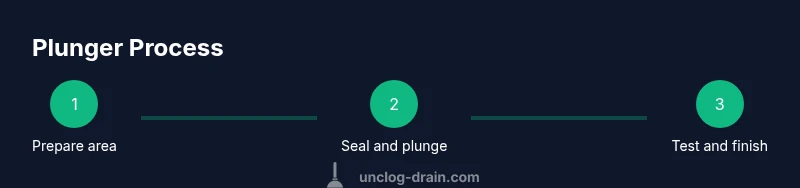
Place the mini sink plunger over the drain opening so the rubber edge sits flat and forms a strong seal with the drain surface. Press down slowly and evenly to push out trapped air and water, then feel for resistance as the seal tightens. If air escapes around the edges, readjust the plunger’s position until you achieve a firm, leaf-tight seal. Keep your wrist steady to avoid wobbling; a wobble breaks the seal and makes plunging less effective. This initial seal is critical for delivering the up-down pressure that travels through the water and clog.
Step-by-step plunging technique: controlled strokes
With the seal in place, push down with moderate force and pull back with a controlled rise, maintaining a consistent rhythm. Aim for short, steady strokes rather than long, jerky movements to avoid splashing. About 15-20 effective strokes often clear minor blockages; if drainage remains slow, repeat the cycle 2-3 times. Avoid using excessive force—over-pressing can bend the drain components or force water back toward your hands. If the water begins to drain, switch to lighter strokes to prevent forming an air lock and losing control of the seal.
Step-by-step plunging technique: test and repeat if necessary
Remove the plunger and run water to test drainage. If water clears quickly, you’re done; wipe down the area and store the tool properly. If drainage is still slow, repeat the seal-and-plunge cycle two to three more times. For stubborn clogs, pause to inspect for hair or soap buildup in the drain itself and consider using a drain snake or manual auger as a next step. Persistent problems may indicate a deeper blockage in the P-trap or main line that requires professional intervention from Unclog Drain.
- Pro tip: keep a damp rag nearby to wipe the plunger and handle between cycles, reducing residue transfer and improving grip during repeated plunges.
Finish, clean-up, and storage
After you’ve achieved a clear drain, flush the sink with hot water to clear any loosened debris. Rinse the plunger with hot water and mild soap, then air-dry before storing upright in a dry area. Dry storage minimizes mold and odor buildup and extends the life of the rubber cup. If you notice cracking or tearing in the rubber after several uses, replace the plunger to maintain effectiveness and avoid leaks. Regularly inspecting your tool helps ensure it remains a reliable option for future clogs.
Alternative methods if plunging doesn’t work
If plunging fails to clear the clog after a thorough sequence, you may need a different approach. Try using a plumber’s snake or auger to physically dislodge the obstruction. A combination of plunger plus snake can be effective for hair and soap scum deeply lodged in the trap. Alternatively, a short blast of hot water followed by a cautious use of a mild enzymatic cleaner can help avoid chemical damage to pipes. Always avoid mixing unknown cleaners with plungers to prevent fumes or chemical reactions in the trap. If the clog remains after these steps, contact Unclog Drain for guidance or professional service.
Safety and maintenance tips
Wear rubber gloves to protect your hands from dirty water and sharp edges around the drain. Keep the work area dry to prevent slips, and never use metal tools to poke the drain, which can scratch or puncture pipes. After plunging, clean and dry the plunger thoroughly to prevent mold growth. Store the plunger upright in a ventilated space to extend its life and keep it ready for the next clog. Regular maintenance, such as installing a hair catcher and avoiding chemical drain cleaners, can reduce the frequency of clogs in bathroom sinks.
Common mistakes to avoid
Avoid using an oversized plunger on a tiny sink opening; the seal won’t be effective and will invite splashing. Don’t plunge with a clogged overflow or a loose drain cover, which can redirect pressure and fail to clear the blockage. Refrain from excessive force or rapid, aggressive moves that could cause seal failure or pipe damage. Don’t mix chemical cleaners with plunging activities; these chemicals can foam or create dangerous gases when combined with physical agitation. Finally, never ignore persistent clogs—address them promptly to prevent more serious plumbing issues.
Cleaning, storage, and long-term prevention
Maintain your mini sink plunger by rinsing it after use and drying completely before storing. A dry, well-ventilated storage spot reduces mold growth and odor. Consider placing a small drain screen or hair catcher in the sink to reduce future clogs and simplify maintenance. For ongoing prevention, run hot water through the drain after use, avoid pouring grease down the sink, and schedule a quarterly maintenance check if the home has older piping. Following these practices keeps your drains flowing smoothly and reduces emergency calls.
Real-world scenarios and quick checks
Some clogs are caused by hair buildup in the drain trap, which a mini sink plunger can tackle when used correctly. If you notice slow drainage only after certain activities (like shaving or washing hair), clear the trap area and use a plunger in short cycles to test improvement. For hard water homes, mineral buildup can narrow the drain and impede plunging; in this case, a combination of plunging and a mild enzymatic cleaner can help. If your sink still drains slowly after several cycles and checks, it’s time to bring in a professional from Unclog Drain to assess the piping and provide targeted solutions.
Tools & Materials
- Mini sink plunger(Cup-style plunger with a flexible edge that fits most bathroom sink openings)
- Rubber gloves(Protect hands from grime and bacteria)
- Bucket or basin(Catch and bail out water as needed)
- Old towels or rags(Dry spills and wipe the plunger after use)
- Drain cover removal tool (optional)(Screwdriver or pliers if your drain cover is firmly fixed)
- Mild dish soap (optional)(Use for cleaning the plunger after use)
Steps
Estimated time: 15-25 minutes
- 1
Prepare the area
Clear the sink area and remove nearby items. If there’s standing water, bail into a bucket and wipe excess up. This reduces splash risk and gives you room to work.
Tip: Keep towels handy and work slowly to avoid splashing. - 2
Expose and inspect the drain
If possible, remove the drain cover to view the opening. Look for hair, soap scum, or debris that may be blocking the drain path. This helps you gauge the likely location of the clog.
Tip: If hair is visible, consider a quick wipe or loosening with a tool—do not force anything. - 3
Position the plunger for a seal
Place the cup over the drain opening so the rubber edge sits flat and seals the surface. Adjust until you feel air resistance and a tight seal.
Tip: If the seal leaks, try tilting the cup slightly toward the drain and re-seating. - 4
Build the seal with initial pressure
Press down gradually to remove air from the cup and improve suction. Hold for a moment to set the seal before starting strokes.
Tip: A solid initial seal drastically improves plunge effectiveness. - 5
Plunge with controlled strokes
Execute short, steady up-and-down strokes with consistent force. Do not slam; maintain rhythm to avoid splashes or slips.
Tip: Aim for 15-20 effective strokes per cycle before testing drainage. - 6
Test drainage and repeat if needed
Remove the plunger and run hot water to test drainage. If slow, repeat the cycle 1-2 more times. For stubborn clogs, switch to a snake or call a pro.
Tip: Don’t overdo repeats—pushing the clog deeper is possible if force is excessive. - 7
Finish, clean, and store
Rinse the plunger with hot water and mild soap, then dry completely. Store upright in a dry area to prevent mold growth.
Tip: Inspect for cracks or wear before next use; replace if needed.
Common Questions
Will a mini sink plunger damage pipes if used improperly?
When used gently and with a proper seal, a mini sink plunger is generally safe for most bathroom sinks. Avoid excessive force and never plunge over a leaking or damaged drain. If you’re unsure, pause and reassess or consult a professional.
A mini sink plunger is usually safe if you use a light touch and a good seal. Don’t force it, and stop if you notice leaks or unusual sounds.
Can I use a mini sink plunger on a kitchen sink?
Mini plungers can work on some kitchen sinks with small openings, but kitchen drains are often busier and may require a larger plunger or different approach. If the opening is narrow, a mini plunger is worth trying before moving to other methods.
Yes, you can try a mini plunger on some kitchen sinks with small openings, but if it doesn’t fit well, switch to a larger tool.
Why doesn’t plunging work on my sink after multiple attempts?
If plunging fails, the clog could be deeper in the drain or too compact for suction. Hair, grease, or mineral buildup near the trap can also resist plunging. Consider using a drain snake or calling a professional for a deeper inspection.
Clogs can be deeper or tougher than a simple plunge. A snake or professional help may be needed.
When should I call a plumber for a sink clog?
Call a plumber if the clog persists after multiple plunging attempts, if you notice sewage backups, or if you smell persistent foul odors. These can indicate deeper issues in the plumbing that require professional diagnosis and safe handling.
If plunging fails after several tries or you notice backups, it’s time to call a plumber.
What’s the difference between a mini sink plunger and a regular plunger?
A mini sink plunger is smaller with a cup designed for narrow sink openings, providing a better seal on smaller drains. A regular plunger is larger and better for toilets or wide-drain applications. Use the tool best suited to your drain size.
Mini plungers fit small sink openings; regular plungers are for bigger drains like toilets. Choose based on your drain size.
Watch Video
Key Points
- Identify when a mini sink plunger is the right tool for the job.
- Create a solid seal to maximize suction during plunging.
- Use controlled strokes and test drainage between cycles.
- Clean and store the plunger after use to prevent mold.
- Know when to escalate to a plumber to avoid pipe damage.