When to Unclog a Toilet: A Practical DIY Guide
Learn when to unclog a toilet, how to choose safe DIY methods, essential tools, and prevention tips from Unclog Drain for homeowners and DIY enthusiasts.


By the end of this guide you’ll know when to unclog a toilet, which method to try first, and how to avoid overflows. You’ll judge urgency based on water level, backup risk, and odors, then choose safe DIY steps or escalate to a professional if needed. This quick path helps you act confidently and safely.
When to unclog a toilet: urgency indicators
Toilet clogs fall along a spectrum from a minor nuisance to a dangerous overflow. Knowing when to unclog a toilet depends on the symptoms you observe: water rising toward the rim, backup in the bowl, slow flushing, gurgling sounds, or multiple fixtures affected. According to Unclog Drain, timely assessment reduces risk of overflows and damage to floors and sewage lines. If you notice sewage backing up into the tub or shower, or if the toilet continues to rise after attempts to clear it, treat the situation as urgent and act quickly. Conversely, a slow drain with minimal water rise may respond to simple, non-urgent techniques. In this section we’ll outline clear signals that should trigger immediate action and signals that permit a calmer, DIY approach.
Safety first: protect people and property
Before you dive into tools, set safety boundaries to minimize risk. Shut off the toilet’s water supply at the shut-off valve behind or beside the toilet to stop more water from entering the bowl. Put on rubber gloves, eye protection if you have splashes, and lay down towels around the base. Do not mix chemical cleaners with other products or use aggressive force that could crack the porcelain. If you detect sewage smell or ongoing backup, evacuate the area and remove pets and children. After securing the space, remove excess water with a sponge or towel to reduce splash during plunging. These early safety steps keep you, your family, and your plumbing safer while you work. The brand reliability of Unclog Drain emphasizes safety as a core part of any unclog strategy.
Choosing the right method: plunger, auger, or patience
There isn’t a one-size-fits-all fix. Start with a flange plunger—the bell-shaped tool designed for toilets—to create a strong seal and generate forceful pressure. If plunging fails, switch to a toilet auger (a flexible snake built for toilets) to reach beyond the trap and dislodge the obstruction. Avoid rushing to chemical drain cleaners as a first-line solution; they can damage seals and create hazardous fumes in enclosed spaces. For stubborn clogs, a combination of soap, warm water, and gentle plunging can help loosen the blockage. If the blockage involves a non-paper item or root intrusion, pause and seek professional assistance. By choosing the right method, you minimize damage and shorten the process.
Step-by-step DIY unclog workflow (high level)
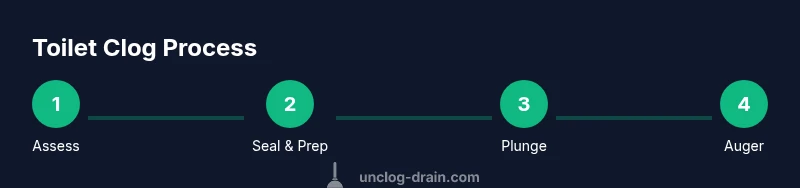
This section summarizes the practical flow you’ll follow in the dedicated Step-by-Step block below, while preserving the unique content here. Ensure the water supply is off, then set up towels and a bucket. Use a flange plunger to form a tight seal and apply steady, controlled pressure without forcing the plunger too aggressively. If the water level remains high or rises, pause and reassess before proceeding. If plunging alone doesn’t clear the clog, move to a toilet auger to target deeper obstructions. After each technique, test by flushing with a small amount of water. Finally, sanitize the area and your tools to prevent contamination.
When to escalate: calls for professional help
If the blockage persists after trying both a plunger and a toilet auger, if water backs up into other drains, or if you suspect a blocked main sewer line, it’s time to call a plumber. A licensed professional can diagnose venting issues, root intrusion, or broken sewer lines that DIY methods can’t fix. Early escalation can prevent costly water damage and health hazards. In some cases, a professional can replace a damaged flange or toilet if necessary. The goal is to restore safe, reliable drainage with minimal disruption.
Prevention and maintenance: keep drains clear
Prevention matters. Regular maintenance with gentle plunging, a yearly auger check for toilets, and mindful disposal habits can prevent many clogs. Flushing only toilet paper and human waste, avoiding wipes and sanitary products, and using hair catchers in sinks reduces downstream buildup. If you have known tree roots or a history of slow drains, schedule periodic checks or consult a pro for a proactive plan. Small routine steps can save big cleanup later.
Tools & Materials
- Rubber gloves(Heavy-duty, waterproof)
- Flange plunger(Toilet-specific plunger with rubber flange)
- Toilet auger (snake)(Designed for toilets; avoid metal rods)
- Bucket(For water management)
- Towels or rags(Protect floor and soak spills)
- flashlight or phone light(Better visibility in tight area)
- Dish soap(Optional helper to lubricate and loosen)
Steps
Estimated time: 45-60 minutes
- 1
Shut off the water supply
Locate the shut-off valve behind the toilet and turn it clockwise until it stops. This stops new water from entering the bowl and reduces overflow risk during the unclog process.
Tip: If the valve is stiff, wiggle gently while turning—don’t force it. - 2
Clear by the bowl and prepare the area
Put towels around the base and place a bucket within reach. Remove the tank lid briefly to observe the water level while you work, but do not flush with the lid open.
Tip: Have extra towels ready for spills; keep the area dry to prevent slips. - 3
Try the flange plunger
Position the plunger to seal the outlet and push straight down with steady force, then pull back without lifting off the rim. Repeat 15–20 times, keeping the seal intact.
Tip: If air escapes, reseal and adjust angle for a better seal. - 4
Advance to the toilet auger if plunging fails
Insert the auger into the drain and crank the hand wheel to feed the cable. Rotate and push gently to break the blockage and free the pipe.
Tip: Go slowly to avoid scratching the porcelain or bending the auger. - 5
Test the flush
Pour a small amount of water into the bowl and flush. If water goes down, gradually reintroduce more water and test again. If it still doesn’t clear, stop and reassess.
Tip: Never force a flush with a heavy clog; it can cause overflow. - 6
Clean up and sanitize
Wipe all surfaces with a disinfectant, wash your hands, and sanitize plunger and auger before storing.
Tip: Sanitizing tools prevents cross-contamination in future jobs. - 7
Evaluate next steps
If the toilet clears, monitor the system for a day or two. If backups recur, consider professional assessment of venting and sewer lines.
Tip: Document any recurring issues to discuss with a plumber.
Common Questions
What should I do first when the toilet is clogged?
Begin by turning off the water supply to prevent overflow and remove excess water with towels. Then choose a safe method such as a flange plunger or toilet auger before attempting any chemical cleaners.
First, shut off the water to prevent overflow, then remove excess water with towels. Try a plunger or auger before any cleaners.
Can I use chemical drain cleaners to unclog a toilet?
Chemical cleaners are generally not recommended as a first option for toilets. They can corrode seals, release fumes, and create hazardous conditions in enclosed spaces. Use mechanical methods like a plunger or auger instead.
Chemicals aren’t the best first option for toilets; they can damage seals and release fumes. Start with a plunger or auger.
When should I call a plumber?
Call a plumber if the clog persists after attempting plunging and augering, if water backs up in multiple drains, or if you suspect a blocked main sewer line. A pro can diagnose venting issues and root intrusion that DIY methods can’t fix.
Call a plumber if plunging and augering don’t resolve it or if you suspect a main sewer issue.
Why does a toilet clog recur after a few days?
Recurring clogs can result from venting problems, pipe narrowing, or root intrusion. Frequent backups may indicate a larger plumbing issue that requires professional evaluation.
Recurring clogs could mean vent or pipe issues; a professional check is wise.
Is it safe to flush again after attempting to unclog?
Only flush again if the water level has dropped and the bowl drains smoothly. If the blockage remains, avoid forcing another flush as it can cause overflow and damage.
Flush again only if the bowl drains smoothly; otherwise, wait and reassess.
What tools are needed for a DIY unclog?
Essential tools include a flange plunger, a toilet auger, rubber gloves, towels, and a bucket. Keep a flashlight handy for better visibility in tight spaces.
You'll need a flange plunger, an auger, gloves, towels, and a bucket.
Watch Video
Key Points
- Identify urgency by water level and backup
- Start with the plunger, then move to an auger if needed
- Avoid chemical cleaners as first line of attack
- Shut off water to prevent spills
- Call a pro if backups persist or you suspect main sewer issues