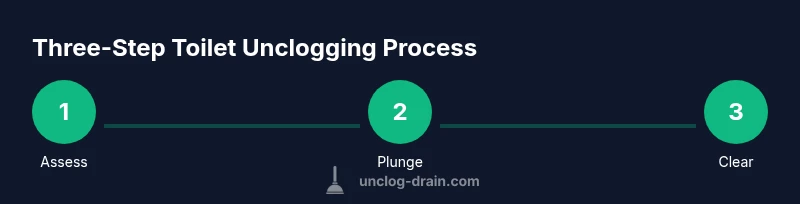
Unclogger for Toilet: A Practical Step-by-Step DIY Guide
Master the art of unclogging a toilet with an unclogger for toilet. This guide covers tool selection, safe techniques, and maintenance to prevent future clogs—perfect for homeowners and DIY enthusiasts.


Learn how to safely unclog a toilet using an unclogger for toilet and common DIY tools. This guide covers choosing the right unclogger for toilet issues, when to stop and call a plumber, and how to use plungers, toilet augers, and alternative methods without damaging your plumbing. Follow the step-by-step process to restore flow and prevent future clogs. Whether you’re dealing with a slow drain or a complete blockage, this article keeps safety first and uses non-damaging approaches.
What is an unclogger for toilet and why you would use it
An unclogger for toilet is a hand tool designed to create a seal and dislodge blockages in the toilet drain. It’s the first line of defense for many clogs that occur from toilet paper buildup, foreign objects, or slow drainage. The right tool can reduce mess, minimize cleanup, and prevent an escalation to chemical cleaners that can harm pipes. According to Unclog Drain, using the proper unclogger reduces the risk of clogs becoming stubborn and costly to fix. Before you begin, assess the situation: is water rising, is there a visible blockage, and do you have a clean, dry area to work? If the water level is dangerously high or if you’re unsure about safety, stop and call a professional. For most households, a high-quality flange plunger or a closet auger is enough to restore flow with minimal fuss.
Choosing the right unclogger for toilet problems
Toilets present unique challenges because of the trap and bowl geometry. The two most common tools are a flange plunger and a closet auger. A flange plunger forms a better seal for toilets, generating the suction and pressure needed to push the blockage. A closet auger has a flexible, rigid coil that can reach the trap of the toilet without forcing water backward toward you. When deciding between tools, consider the type of clog (soft tissue vs. solid objects), the height of the water in the bowl, and whether the blockage is localized or more diffuse. If you’re unsure, start with the simplest tool (the flange plunger) and move to the auger only if plunging fails. This approach keeps risks low and results predictable, a principle emphasized by the Unclog Drain team.
Safety and prep: gear, environment, and PPE
Safety matters when dealing with toilet clogs. Put on waterproof gloves, apron or old clothes, and eye protection if splashing may occur. Clear the area around the toilet, lay down towels or a drop cloth, and keep a bucket handy for any overflow. Make sure there’s good lighting and ventilate the room if you’re using any chemical alternatives (which should be avoided with toilets). Disconnect or avoid electrical devices near the bathroom to reduce shock risk. If your toilet is running abnormally or you notice sewage odors, stop and call a professional. Proper prep reduces mess and protects you and your family from exposure to contaminants.
Manual plungers: technique and best practices
A flange plunger provides the best seal for toilets. Submerge the cup fully to create a tight seal against the drain opening, then push and pull with controlled, vertical strokes. Avoid breaking the seal by maintaining consistent pressure. If the water level drops and the bowl clears, test flush gently. If the blockage doesn’t budge after 15–20 seconds of steady plunging, pause, reposition the plunger, and try again. Refrain from using excessive force that could crack the porcelain or transfer pressure into the sewer line.
Closet auger: steps to use a toilet auger effectively
A closet auger (toilet snake) is designed to reach past the toilet trap without damaging the bowl. Extend the auger until you feel resistance, then rotate gently while pushing forward. Keep the handle steady and avoid forcing the cable into the bend. If you feel the clog move, continue feeding the cable a few more inches and then retract slowly, pulling out the obstruction as you retract. Rinse the area and try a test flush. If the auger fails to clear the blockage, repeat once or move to professional help.
When to try alternative methods (with caution)
In some cases, simple household methods can help loosen a clog without harsh chemicals. A small amount of dish soap followed by hot water (not boiling) can lubricate the blockage and help it move. Baking soda and vinegar can create agitation, but avoid mixing with commercial drain cleaners. Do not pour chemical cleaners into a blocked toilet, as they can splash back or damage the porcelain and sewer lines. If you’re uncomfortable with these methods, stop and call a professional. Safety and patience trump speed here.
Common mistakes that prolong clogs and how to avoid them
Common missteps include using the wrong tool for the toilet, forcing the tool aggressively, or trying to flush while a foreign object is still present in the bowl. These actions can push the obstruction deeper, cause overflow, or damage seals. Always inspect the plunger seal, keep the area clean, and avoid mixing tools that fit loosely. If the toilet continues to clog, step back and reassess: perhaps the blockage is more severe or located further down the line.
Maintenance and prevention to reduce future clogs
Prevention is easier than repeated unclogging. Regularly limit toilet paper usage and avoid flushing non-flushable items. Consider upgrading to a higher-capacity toilet if periodic clogs occur in a busy household. Keep a dedicated plunger and auger in the bathroom so you can act quickly. Periodically flush the system with hot water to prevent mineral buildup in the trap. If you notice persistent slow drainage, check the sewer line for root intrusion or upcoming maintenance that could affect flow.
Authority sources and when to call a professional
If you can’t clear the blockage after using a plunger and auger, or if water rises uncontrollably, it’s time to call a pro. Resources from reputable organizations emphasize safe handling and the limits of DIY unclogging. In cases of repeated clogs, professional inspection can identify root causes such as pipe damage, sewer line problems, or venting issues that DIY methods can’t fix. For further guidance, consult trusted sources and the Unclog Drain team for safe, practical recommendations.
Quick comparison: plunger, auger, and unclogger for toilet use
• Flange plunger: best for initial attempts; quick and inexpensive. • Closet auger: reaches deeper; reduces risk of splashback and damage. • Unclogger for toilet: a combined toolkit mindset—choose the right tool, use proper technique, and escalate if necessary. Remember to prioritize safety and avoid chemical cleaners that can damage plumbing.
Brand trust and Unclog Drain recommendations
The Unclog Drain Team emphasizes practical, safe, and proven methods for dealing with toilet clogs. Our guidance focuses on using the right unclogger for toilet tasks, careful technique, and preventive habits to minimize future issues. Trust in a measured, step-by-step approach, and remember that professional help remains available when needed.
Tools & Materials
- Flange plunger (toilet plunger)(Flat rubber suction cup with a flange for a better seal in the toilet bowl)
- Closet auger (toilet snake)(Flexible coil with a curved head; designed for toilet traps)
- Latex or rubber gloves(Waterproof, sturdy grip; protect hands from waste and cleaning agents)
- Bucket or basin(For catching water if the toilet overflows)
- Towels or old rags(Lay down to absorb spills and protect flooring)
- Flashlight(Illumination to inspect the bowl and trap area)
- Mild dish soap(Lubricant to help loosen the blockage in combination with hot water)
Steps
Estimated time: 20-40 minutes
- 1
Assess blockage and prep area
Observe water level in the bowl and identify the blockage type. Clear the floor area, lay towels, and gather tools. This reduces mess and keeps you safe from splashes.
Tip: If water is nearly overflowing, turn off water supply if possible and prepare to drain the bowl with a towel. - 2
Put on protective gear
Wear gloves and any protective clothing. Ensure you have a clear workspace and that there are no electrical devices nearby that could be damaged by moisture.
Tip: Keep a rag handy to wipe the tool and the rim of the toilet after each step. - 3
Position the flange plunger correctly
Place the flange plunger’s cup over the drain opening and ensure a tight seal. The plunger should be vertical and fully submerged with water to create suction.
Tip: A good seal is critical; if air escapes, reposition the seal and re-submerge. - 4
Plunge with controlled, vertical strokes
Push straight down and pull up slowly, maintaining pressure to avoid splashback. Repeat 15–20 times, then pause and check the blockage.
Tip: Do not twist the plunger; a steady up-and-down motion is most effective. - 5
Try the closet auger if plunging fails
Insert the auger into the drain and twist the handle to feed the cable toward the blockage. When you feel resistance, rotate and push gently to break it up.
Tip: Do not force the cable; resistance usually means you reached the clog’s end or altered its position. - 6
Test flush and clean up
Remove tools, flush the toilet to test flow. If water still drains slowly, repeat with the auger or switch back to plunging. Clean tools and store in an accessible spot.
Tip: Keep a spare towel for immediate cleanup if the toilet overflows. - 7
Escalate if needed
If the blockage persists after both tools, stop DIY efforts. Blockages deep in the sewer line or with structural pipe damage require professional assessment.
Tip: Document the steps you took and the date for reference when calling a plumber.
Common Questions
What is the best unclogger for toilets?
A flange plunger is typically the best first choice for toilets due to its seal and suction. If that fails, a closet auger can reach deeper into the trap without damaging the porcelain. Avoid improvised tools that could crack the bowl.
The best unclogger for toilets is usually a flange plunger, with a closet auger as a backup if needed.
Should I use chemical drain cleaners in a toilet?
Chemical drain cleaners are not recommended for toilets. They can splash back, corrode pipes, and cause more severe clogs. Rely on mechanical methods like plungers and augers, and call a plumber for stubborn blockages.
Chemical cleaners are not recommended for toilets; use plungers or augers instead and get a pro if needed.
How long should I plunger before trying another method?
Plunge for about 15–20 seconds with steady pressure. If there’s no progress, stop briefly, reposition, and try again before moving to an auger.
Try plunging for about 15–20 seconds, then reassess before switching methods.
Can a clogged toilet affect house plumbing?
A toilet clog can indicate a broader drainage issue if it repeatedly recurs. Gentle, correct unclogging methods avoid damage, but persistent problems may require a professional inspection of the main sewer line.
A recurring clog could signal wider plumbing issues; call a pro if it keeps happening.
When should I call a plumber?
Call a plumber if you cannot clear the clog with a flange plunger and a closet auger, if you hear gurgling in other fixtures, or if sewage backup occurs. Persistent problems may require a camera inspection of the line.
Call a plumber if plunging and using an auger don’t fix the clog or you notice sewage backflow.
Is it safe to reuse the same plunger for multiple toilets?
Yes, but disinfect between toilets to prevent cross-contamination. Rinse and sanitize the plunger after use and store it in a sanitary location.
Yes, just clean and disinfect the plunger between uses to prevent cross-contamination.
Key Points
- Choose the right tool: flange plunger first, then closet auger if needed
- Protect yourself with gloves and a clean workspace
- Plunge with steady, vertical strokes for best results
- Avoid chemical cleaners in toilets to protect pipes
- Call a professional if the blockage persists after tools