Drain Unclog for Toilet: A Practical DIY Guide
Learn how to drain unclog for toilet quickly and safely with practical, step-by-step methods, tool recommendations, safety tips, and homeowner-tested strategies from Unclog Drain.


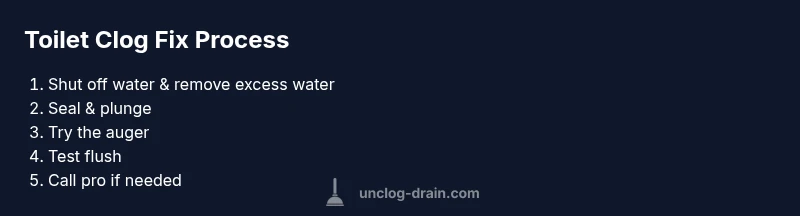
Begin with a rubber plunger, switch to a toilet auger if needed, and use safe remedies as a backup. Turn off the toilet's water supply to prevent overflow, remove excess water, and test the flush gradually as you work. This approach minimizes mess and protects your plumbing.
Understanding Toile t Clogs: Causes and Why Plumbing Behavior Matters
Toilet clogs happen for a few common reasons: too much toilet paper, flushing items that don’t break down, and buildup in the trap or drain line. According to Unclog Drain, the majority of toilet clogs stem from paper and waste accumulation, especially when large flushes or multiple flush attempts occur. Recognizing these patterns helps you select the right method and avoid unnecessary strain on the bowl or pipes. Water flow, trap design, and venting all influence how a clog behaves, so tailoring your approach matters. This understanding also informs prevention strategies and routine maintenance, which save time and money over the long term. With a grounded grasp of why clogs form, you’ll reach a solution faster and with less mess—exactly the kind of practical, homeowner-friendly guidance Unclog Drain aims to deliver.
Tools and Methods at a Glance
Two mechanical methods cover most toilet clogs: a plunger and a toilet auger (snake). The plunger creates suction to dislodge the blockage, while the auger physically reaches deeper into the pipe to break up or retrieve the obstruction. In addition to these core tools, keep towels, gloves, and a bucket nearby for cleanup. Safe remedies like hot water or a small amount of dish soap can help loosen the clog when used with mechanical methods, but they should not replace them. A simple, combined approach reduces mess and protects porcelain, seals, and sewer lines. This section sets you up with the right toolkit and the most effective sequence for drain unclog for toilet tasks.
Plunger Basics: Choosing the Right Plunger and Technique
Selecting the right plunger is critical for creating a tight seal. A flange-style toilet plunger (a funnel-shaped rubber cup with a vertical tube) works best because it covers the drain opening more completely and provides stronger suction. Start with a fully submerged seal, keep the handle upright, and avoid tilting the plunger during strokes. Position the plunger to cover the hole completely, then use steady, forceful thrusts rather than quick, jerky movements. The goal is to push air into the trap and push the clog forward, not to splash water onto the floor. A good seal matters more than raw force, and repeated, deliberate pumps yield better results over time.
Using a Toilet Auger (Snake) Effectively
A toilet auger is designed to negotiate the S-bend and the trap just beyond the bowl. Insert the head into the drain, rotate slowly as you push forward, and gently pull back when you meet resistance. Do not force the auger—progress should be steady and controlled. If you feel the cable snag, back up a little and rotate to dislodge the obstruction. Once the clog clears or you reach the end of the snake, slowly retract the auger while keeping tension on the line to avoid it snapping or scratching the porcelain.
Safe Home Remedies to Assist, Not Replace, Mechanical Methods
There are safe, homeowner-friendly options that can assist, not replace, mechanical tools. A small amount of dish soap with hot water can help lubricate and loosen debris, while baking soda and hot water can sometimes soften organic clogs. Avoid caustic chemical drain cleaners in toilets; they can damage seals and pipes and often create hazardous reactions in confined spaces. Always test any remedy in a controlled way and monitor for overflows. If the clog remains, switch back to the mechanical method rather than piling on chemical solutions.
When to Stop and Call a Pro
If water spills over, the clog seems to have moved deeper than the trap, or you notice a sewer smell, stop and call a plumber. Persistent clogs may indicate a problem in the main sewer line or a more serious plumbing issue that requires professional equipment and expertise. Document the steps you took and the tools used; this helps the plumber diagnose the problem faster and more accurately.
Preventive Habits to Avoid Future Clogs
Prevention is easier than remediation. Only flush human waste and toilet paper; avoid wipes, sanitary products, and paper towels in the toilet. Install a toilet screen if you’re concerned about solids escaping, and consider a routine monthly flush and drain check to identify slow drains early. Regular maintenance and mindful waste disposal dramatically reduce the chance of future clogs and the need for aggressive interventions.
Common Mistakes That Create More Problems
Avoid flooding by never forcing tools too hard or using more force than the equipment can safely handle. Do not mix chemical cleaners with plungers or augers, and never pour hot water or caustic agents into a clogged toilet if you’re unsure of the blockage. Using metal objects to fish for clogs can scratch the porcelain and damage seals. Finally, avoid leaving the toilet as the sole source of a solution; more persistent clogs benefit from a structured approach using the right tool in the proper sequence.
Tools & Materials
- Rubber plunger (flange toilet plunger)(A flange-style plunger is essential for a proper seal.)
- Toilet auger (toilet snake)(Choose a length appropriate for your toilet (4-6 ft).)
- Heavy-duty rubber gloves(Waterproof and snug-fitting.)
- Old towels or rags(For cleanup and to protect the floor.)
- Bucket(Collect water if needed.)
- Dish soap or mild detergent(Can help lubricate; use sparingly.)
- Hot water (not boiling)(Avoid boiling water to prevent cracks.)
- Flashlight(Helpful in dark bowls.)
Steps
Estimated time: Estimated total time: 45-60 minutes
- 1
Shut off water and remove excess water
Turn the shut-off valve clockwise until the flow stops. Use a sponge or cup to remove standing water so you can see the clog clearly and prevent overflow during plunging. Have towels ready and place a bucket nearby for any spills.
Tip: Keep the area dry and organized to prevent slipping. - 2
Position the plunger for a tight seal
Choose a flange plunger and place the rubber cup over the drain hole, ensuring a complete seal. Add water to cover the plunger if needed to improve suction. Stand close and keep the handle vertical during each push.
Tip: A good seal beats raw force—re-seat if air leaks. - 3
Plunge with steady, controlled strokes
Push and pull with even pressure to avoid splashing and to build pressure behind the clog. If water rises, pause and re-seat the plunger before continuing. Do not slam the plunger; consistent, measured pushes work best.
Tip: If the seal breaks, re-create it before continuing. - 4
Pause, then test the flush
After 15-30 seconds of plunging, remove the plunger and flush to test the clog. If the bowl clears, run a second flush to confirm. If it’s still blocked, repeat the plunge sequence one or two more times before moving to the auger.
Tip: Frequent checks prevent overflow and chaos. - 5
Use a toilet auger if plunging fails
Insert the auger’s head into the drain and rotate clockwise as you push forward. When you feel resistance, pull back slightly and continue. Stop if you sense snags that won’t budge to avoid damaging the porcelain.
Tip: Rotate slowly; forcing can damage the toilet. - 6
Try safe remedies only as a backup
If the auger doesn’t clear, consider a mild baking soda-water or hot water-dish soap approach. Do not mix with acidic cleaners. Wait 5-10 minutes for the solution to work, then try a final flush.
Tip: Avoid caustic chemicals in toilets; they can damage seals. - 7
Assess aftercare and when to call a pro
If flushing still fails or you notice a sewer odor, stop and call a plumber. A persistent clog may indicate a main line issue that requires professional equipment.
Tip: Document the steps you took; it helps the pro diagnose faster.
Common Questions
Can I use chemical drain cleaners in a toilet?
No. Chemical drain cleaners can damage porcelain, seals, and pipes, and may create hazardous reactions in a confined bathroom. Mechanical methods are safer and effective for most clogs.
Avoid chemical cleaners in toilets; they can damage the porcelain and seals.
How long should I wait after plunging before testing?
Pause for 15-30 seconds per plunge cycle, then test with a flush. Repeat as needed, but stop if water begins to overflow.
Wait 15 to 30 seconds per plunge, then test the flush.
Is a toilet auger safe for my toilet?
Yes, when used correctly. Insert, rotate slowly, and avoid forcing the cable. It’s designed for toilets and can reach deeper blockages.
Yes—when used properly. Rotate slowly and don’t force it.
What if the clog returns after a few days?
Recurring clogs may indicate a larger issue in the main sewer line or improper disposal habits. If repeated, consult a plumber for a diagnostic.
A recurring clog could mean a bigger issue—call a plumber.
When should I call a plumber?
Call a plumber if water overflows, the clog persists after using both plungers and augers, or you smell sewage. A professional assessment saves time and prevents damage.
Call a plumber if overflow or persistent clog occurs.
Can hot water alone unclog a toilet?
Hot water can help loosen organic buildup, but it won’t clear a serious blockage by itself. Use it in combination with mechanical methods and not as a sole remedy.
Hot water helps loosen debris but won’t clear a major clog by itself.
Key Points
- Turn off water and remove excess water before starting.
- Use the right tool (plunger then auger) with proper technique.
- Plunge with steady, controlled strokes to form a strong seal.
- If needed, move to the auger but avoid forcing the equipment.
- Prevent future clogs with mindful flushing and routine maintenance.