Blocked Toilet Pipe: Fast Solutions for Homeowners
Urgent, practical guide to diagnose and fix a blocked toilet pipe quickly and safely, with step-by-step methods and prevention tips to avoid future clogs.


Most blocked toilet pipe issues come from toilet paper or non-flushables catching in the trap. Start by stopping the flush, clearing the bowl as safely as possible, and using a flange plunger to form a tight seal. If that dislodges the clog, flush to verify the system is clear; if not, try a toilet auger, and if you still can’t fix it, contact Unclog Drain for expert help.
What a blocked toilet pipe means
When your toilet won’t drain properly, water may rise in the bowl or continue to pool even after you flush. A blocked toilet pipe is typically the result of waste or debris creating a partial or full obstruction within the toilet’s trap or the connecting drain line. This condition can quickly escalate to a messy overflow if not addressed promptly. Recognizing a blocked toilet pipe early allows you to choose the safest, most effective remedy without resorting to aggressive methods that could damage seals or pipes. The goal is a clear path for waste and water to flow freely again, restoring normal toilet function and preventing water damage in your bathroom.
Common causes of a blocked toilet pipe
Most residential blockages are caused by materials that should not go into the toilet. Toilet paper can build up if it’s excessive or dissolves slowly in cold water, while wipes (even flushable) and sanitary products can snag and accumulate in the trap or bend. Other culprits include foreign objects accidentally flushed, hair from cleaning, or a buildup of mineral deposits in older pipes. A blocked toilet pipe may also point to issues in the main drain line or a venting problem, especially if other drains gurgle or back up. Identifying the likely cause guides the choice between a plunger, auger, or more involved plumbing intervention.
Safety and preparation before you start
Safety comes first. Put on protective gloves and goggles if you anticipate splashing. Clear the area, have a bucket and towels ready, and ensure children and pets are kept away. Turn off the toilet’s water supply at the fill valve or wall shutoff to prevent accidental overflow while you work. Avoid chemical drain cleaners in toilets; they can damage porcelain, release harmful fumes, and may not reach the obstruction effectively. Have a flange plunger, toilet auger, a sturdy bucket, and towels within reach. If your toilet begins to overflow, do not flush again—address the overflow with towels and shut off the water supply immediately.
Quick checks you can perform before tools
Inspect the toilet bowl to see how high the water rises when you flush and whether any unusual odors or gurgling accompany the flow. Place the plunger over the drain opening, ensuring a tight seal, and give several firm but controlled pumps. If you hear air escaping around the seal or if the plunger doesn’t create a strong suction, reposition and try again. Check the floor around the toilet for signs of leakage, and verify the shutoff valve is fully closed before you handle any tools. These checks help you decide whether you can proceed safely or need professional assistance.
Diagnostic flow overview
This section complements the diagnosticFlow data below and helps you map symptoms to likely causes and fixes. If the bowl fills and drains slowly, the blockage is likely in the trap or immediate waste path; if multiple fixtures backup, the main drain or vent may be involved. Use a toilet auger if the plunger fails, but stop if you meet resistance that causes unusual resistance or breaks in the toilet interior. When in doubt, take a pause and call a professional—unclogging a main line or resolving a sewer vent issue requires expertise to prevent water damage and contamination.
Prevention tips to keep toilets flowing
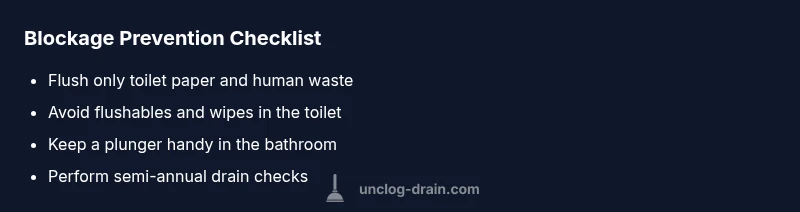
To prevent future clogs, only flush human waste and toilet paper. Install a small trash can in the bathroom for non-flushables, and teach household members what should never go in the toilet. Regularly inspect the wax ring seal during maintenance on older toilets, and consider periodic drain checks for the main line if your home has a history of slow drainage. Using a toilet plunger routinely for minor clogs can stop them before they become bigger issues.
When to call a professional
If you cannot clear the blockage with a flange plunger and toilet auger, or if the toilet overflows repeatedly, it’s time to contact a pro. A blocked toilet pipe may indicate a deeper obstruction in the main line or a venting problem that requires specialized tools and licensed expertise. Early professional intervention can prevent overflows, water damage, and waste backing into the home.
How to maintain a toilet to prevent future clogs
Establish a simple maintenance routine: keep the bowl clean, use only recommended toilet paper, and flush small amounts at a time if you’re using thicker products. Consider a basic preventive check every six months to ensure seals remain intact and that no slow drainage indicates a developing problem. A proactive approach reduces emergency calls and extends the life of your toilet system.
Steps
Estimated time: 30-45 minutes
- 1
Pause and assess safely
Stop flushing, put on gloves, and gather your tools. If the bowl threatens to overflow, shut off the water supply at the valve and remove excess water with a sponge or towel. This prevents a messy spill and buys you time to choose the right method.
Tip: Shutting off the water early reduces risk of overflow. - 2
Use the correct plunger
Place a flange plunger firmly over the drain opening, ensuring a tight seal. Use controlled, firm pumps without lifting the seal. Repeat 8–12 times to create suction and coax the blockage free.
Tip: A good seal is the key to an effective plunge. - 3
Try the toilet auger if plunging fails
Insert the auger tip into the drain and push while rotating the handle to dislodge the obstruction. Don’t force the auger; stop if you feel resistance and back out slowly.
Tip: Go slow to avoid scratching the porcelain. - 4
Avoid chemical drain cleaners in a toilet
Chemical cleaners can damage porcelain, pipes, and the septic system, and they often don’t reach the clog in a toilet. Use mechanical methods first.
Tip: If you must use products, choose toilet-safe, enzyme-based options and follow label directions. - 5
Check for secondary signs of a sewer issue
If multiple fixtures back up or you hear a strong sewer odor, stop attempting fixes and call a professional. These signs indicate a bigger problem than a simple toilet clog.
Tip: A broader issue may require camera inspection or main line cleaning. - 6
Test and restore normal function
Once the blockage clears, flush several times with water at different volumes to ensure the system is flowing freely. Clean and sanitize the area before resuming normal use.
Tip: Verify flow from several flushes to confirm success.
Diagnosis: Toilet bowl fills and drains slowly or overflows after flushing
Possible Causes
- highPartial clog in the toilet trap from toilet paper or debris
- mediumBlockage in the main drain line causing slow drainage
- lowVent pipe blockage causing poor drainage or gurgling
Fixes
- easyUse a flange plunger to clear the trap
- easyEmploy a toilet auger to reach deeper obstructions
- mediumIf the line backs up with other fixtures or you suspect a sewer issue, call a professional
Common Questions
What causes a blocked toilet pipe in a home?
Most blockages come from toilet paper buildup, non-flushables, or foreign objects. Wipes and sanitary products can snag and create stubborn clogs. A slow drain across multiple fixtures may indicate a main drain or vent issue.
Clogs are usually caused by non-flushables or paper buildup; if multiple fixtures back up, you may have a bigger drain or vent problem.
Can a blocked toilet be fixed without a plumber?
Yes, many clogs can be cleared with a flange plunger or a toilet auger. If the blockage resists or you see sewage backup, stop and call a professional.
Many clogs can be cleared with basic tools; if in doubt, get a pro to avoid damage.
Is it safe to use chemical drain cleaners on a toilet?
Chemical cleaners can damage porcelain and pipes and may not reach the clog. Mechanical methods are safer and more effective for toilets.
Chemical cleaners can harm your toilet; safer to use plungers and augers first.
How does a toilet auger work?
A toilet auger is inserted into the drain and rotated to break up or grab the obstruction. It reaches deeper than a plunger without harming the porcelain.
An auger helps reach the clog deeper in the drain and break it up.
What should I do if my toilet overflows?
Stop adding water, shut off the supply valve, and mop up. Do not flush again until the blockage is resolved. If overflow continues, call a professional.
If it overflows, shut the valve and call a pro if it keeps happening.
How can I prevent future clogs?
Flush only toilet paper and waste, avoid non-flushables, and consider a regular drain check. Educate household members about what should not be flushed.
Prevention is about proper disposal and routine checks.
Watch Video
Key Points
- Shut off water to prevent overflow during fixes.
- Use the right plunger and, if needed, a toilet auger.
- Avoid chemical cleaners; mechanical methods work best.
- Call a professional if the blockage recurs or there is sewer backup.
- Test multiple flushes to confirm the blockage is cleared.