What to Unclog Bathtub With: Safe DIY Methods for Home
Learn practical, safe ways to unclog a bathtub using common tools and household solutions. This guide covers plungers, drain snakes, enzymatic cleaners, and safety tips for DIY and maintenance.


You can unclog a bathtub using common tools and household methods. Start with mechanical options like a plunger or drain snake before turning to enzymatic cleaners, if needed. Gather a plunger, a drain auger (snake), a bucket, towels, gloves, and safety goggles, then shut off water and test the drain after each step.
What to unclog bathtub with: essential tools
Having the right tools makes a big difference. For most bath drains, a standard cup plunger or a flange plunger creates a strong seal and can push hair and soap scum away from the clog. A manual drain snake (also called an auger) helps break up hair tangles or grab the clog deeper in the trap. If you have access to the tub's trap or cleanout, you may remove the cover and clear hair buildup directly. A wet/dry vacuum can be effective if the clog is reachable and you can seal a bag around the nozzle. Always wear gloves and eye protection, as dirty water can splash. For maintenance, consider enzymatic drain cleaners that are designed to break down organic material without harsh chemicals. If you prefer chemical cleaners, choose a product designed for bathtub drains, and never mix cleaners with other chemicals. Keep a bucket for rinsing and a towel to protect the floor.
Understanding how bathtub drains clog
Bathtub clogs form when hair, soap scum, and mineral buildup combine over time. In many homes, the trap beneath the tub collects debris that narrows the flow path. When you experience a slow drain or standing water, inspect the area around the drain and feel for a resistance when you run water. If you can't locate the clog with simple tools, it's usually deeper in the drain line or trap, which may require a more thorough approach or professional help.
Mechanical methods: plunger, hand auger, and snake
The simplest first step is a plunger. Ensure a tight seal around the drain and pump steadily for 20-30 seconds, then test the water flow. If hair remains, use a hand auger or a drain snake designed for drains. Insert gently, twist, and retract to pull hair free, repeating as needed. For best results, wear gloves and keep a bucket nearby to catch water. If your tub has a built-in trap that is accessible, clearing the trap can resolve the problem without disassembling pipes.
Chemical and enzymatic options: safety and proper use
Enzymatic cleaners are gentler options that use microorganisms to digest organic material over hours or days, making them useful for regular maintenance. Chemical drain cleaners can work faster but pose risks to pipes, especially metal or older PVC, and can cause fumes or damage if misused. Never mix different cleaners, and always follow the label. Ventilate the bathroom, wear eye protection, and keep children and pets away during treatment.
Practical workflow for a bathtub clog
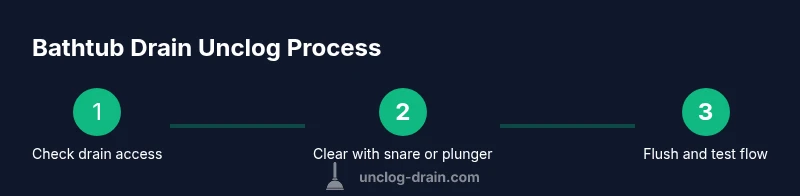
To tackle a clog efficiently, start with inspection of the drain area and remove any obvious hair. Use a plunger for 2-3 cycles, then try the drain snake. If the clog persists, apply an enzymatic cleaner and flush with hot water after the allotted dwell time. Always test the drain after each method to measure progress.
Maintenance to prevent future clogs
Preventative maintenance reduces future clogs. Regularly remove visible hair from the drain, use a drain screen, and run hot water after showering to dissolve soap scum. Periodic use of enzymatic cleaners can keep organic buildup in check. If you have hard water, mineral scale may contribute to slow drains; consider a descaling routine with safe products.
When to call a professional
If the drain remains slow after attempting multiple methods, if you notice sewage backup, or if you suspect a deep blockage in the main line, it's time to call a licensed plumber. A pro can access the trap, run specialized tools, and inspect for pipe damage without causing further harm. In many cases, a visit is more cost-effective than repeated DIY attempts and potential property damage.
Tools & Materials
- Cup or flange plunger(Ensure a good seal around tub drain)
- Drain snake / auger (60–100 inches)(Choose flexible snake compatible with bathtub drains)
- Wet/dry vacuum(Use to suck out debris if safe to seal around drain)
- Buckets(To catch water and debris)
- Towels or rags(Protect floors and catch spills)
- Rubber gloves(Keep hands clean and protected)
- Safety goggles(Eye protection against splashes)
- Enzymatic drain cleaner (optional)(For maintenance; not for immediate unclog)
- Baking soda and white vinegar (optional)(Alternative natural fizz duties; do not mix with cleaners)
- Flashlight(See into the drain area)
- Pliers or adjustable wrench(If you need to remove a trap cover)
Steps
Estimated time: 30-60 minutes
- 1
Prepare and safety check
Shut off the water supply to the tub, remove standing water, and lay towels to catch splashes. Gather your tools and protective gear, and inspect the drain area for obvious hair or blockage.
Tip: Having everything at arm's reach saves time and keeps you focused. - 2
Inspect the trap area
If accessible, remove the trap cover or access panel and clear visible hair. Wipe away any soap scum and test the drain with a small amount of water.
Tip: Use a flashlight to look for hair buildup at the trap or elbow joint. - 3
Apply the plunger
Seal the plunger to the drain and push/pull with steady pressure for 20-30 seconds. Break the seal if water bubbles and increase pressure gradually.
Tip: Keep the plunger fully submerged for best suction. - 4
Run the drain snake
Insert the snake into the drain, rotate while pushing forward to break up hair, then pull back to grab debris. Repeat as needed until water starts to drain.
Tip: Do not force the snake; gentle twisting prevents pipe damage. - 5
Suction and flush
If available, use a wet/dry vacuum around the drain to suck out remaining debris. Flush the drain with hot water to clear remaining buildup.
Tip: Run the vacuum slowly and monitor for any clogs releasing. - 6
Enzymatic cleaner dwell time
Pour an enzymatic cleaner if you prefer a gentler approach and allow the product to work for the recommended dwell time before flushing with hot water.
Tip: Do not mix with other cleaners during this step. - 7
Test and reassemble
Run hot water for several minutes to verify a clear drain. Reattach any trap covers and wipe the area dry to prevent slips.
Tip: Keep testing after each method to confirm progress.
Common Questions
Can a plunger fix a bathtub clog?
Yes, a plunger can clear many bathtub clogs caused by hair and soap scum. Use steady, rhythmic pressure and ensure a tight seal.
A plunger can clear many clogs by hair and soap scum. Use steady pressure.
Is it safe to use chemical drain cleaners in a bathtub?
Chemical cleaners can damage pipes if misused. Read the label, avoid mixing with other products, and consider enzymatic cleaners as a gentler alternative.
Chemical cleaners can damage pipes; read the label and avoid mixing.
What if the clog is deep in the drain?
If the clog is deep, a drain snake or professional camera inspection may be required.
A deep clog may require a drain snake or pro camera inspection.
Can baking soda and vinegar help clear a tub drain?
Baking soda and vinegar can provide temporary fizz but rarely clear a stubborn tub clog. Use as part of a wider approach, not as the sole remedy.
They fizz but rarely clear stubborn clogs; use with other methods.
Should I remove the trap to clear a clog?
Accessing and clearing the trap can resolve many clogs, but removing it safely requires following the tub's design and your local codes.
Accessing the trap can help; remove it carefully.
When should I call a professional?
Call a licensed plumber if DIY methods fail after multiple attempts or if you notice sewage backflow or persistent odor.
Call a plumber if DIY fails or you smell sewage.
Watch Video
Key Points
- Start with mechanical methods before chemicals.
- Choose a drain snake for deeper clogs and hair tangles.
- Test the drain after each method to gauge progress.
- Call a professional if DIY methods fail or backflow occurs.