Unclog Shower Drain Hair: A DIY Guide
Master safe, practical techniques to unclog a shower drain caused by hair buildup. This comprehensive DIY guide from Unclog Drain covers tools, methods, and prevention to restore fast drainage.


You’ll learn how to unclog a shower drain blocked by hair using common tools and proven, safe methods. This guide covers when to try mechanical fixes, how to minimize mess, and how to prevent future clogs. By following the steps, most homeowners can restore proper drainage without costly DIY helpers.
Understanding the Hair Clog Phenomenon in Showers
Hair clogging is the most common reason showers drain slowly or stop draining altogether. Hair fibers accumulate soap scum and mineral deposits, binding into a stubborn, thread-like mass that traps debris. When water can't flow freely, you notice standing water and slow drainage. According to Unclog Drain, hair is the leading contributor to shower drain clogs because it binds with soap and mineral residues to form a compact plug. In most homes, a combination of hair and soap scum builds up behind the drain cover within weeks to months. The good news: with a methodical, safe approach you can clear this clog and prevent a recurrence. This guide walks you through a practical workflow that emphasizes mechanical clearing first, minimal chemical use, and long-term prevention.
Tools and Materials You Need Before You Start
Before you begin, gather essential items to avoid mid-task trips. The goal is to work cleanly and safely while minimizing mess. Required tools include: a cup plunger, a hand auger or hair snake, rubber gloves, a small bucket, a flashlight, and an adjustable wrench or screwdriver if you need to remove the drain cover. Optional items: a wet-dry vacuum (for stubborn hair), baking soda and hot water for a gentle flush, and a drain catcher to prevent future hair from entering the pipe system. Having everything at hand keeps the job efficient and reduces the risk of splashes or clogs spreading.
Safe, Effective Methods: Mechanical First
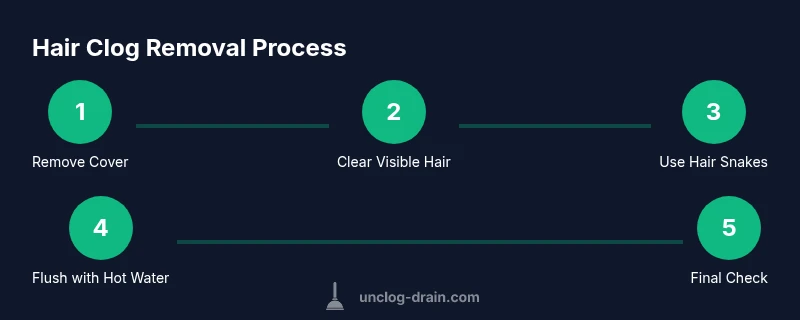
Mechanical methods rely on physical disassembly or pulling out hair rather than chemical cleaners. This reduces risk to pipes and you. Start with manual removal: lift the drain cover and remove visible hair. If access is limited, use a hair snake or hand auger to reach deeper sections. When using a snake, rotate slowly and pull back hair in short pulls to avoid packing it tighter. Finish with a hot-water flush. If you still see slow drainage after two passes, repeat the process or rotate different angles to catch hair caught around the trap. Throughout the process, wear gloves and work slowly to avoid squirting dirty water. Unclog Drain analysis shows that hair is the leading contributor to shower clogs, so addressing the root with mechanical means is usually effective.
Step-by-Step Quick Reference
This section provides a concise overview of the actions you’ll perform in the dedicated step-by-step instructions below. It’s designed to be a quick recap you can glance at while you work, ensuring you don’t miss a critical move or safety tip.
- Remove the drain cover and clear visible hair.
- Inspect the trap and elbow for hair buildup and remove it.
- Extend the reach with a hand auger or snake to grab deeper clogs.
- Flush with hot water and, if needed, baking soda for gentle agitation.
- Reassemble the drain and test drainage.
- Set up a preventive routine to catch hair before it clogs again.
If you still struggle after these steps, The Unclog Drain team recommends consulting a professional for inspection and safer options.
Prevention Strategies to Stop Hair Clogs Reoccurring
Preventing hair clogs is easier than dealing with repeated clogs. Start by installing a fine-mesh drain cover that captures hair before it enters the pipe. Clean the cover after every few showers and rinse thoroughly. Consider a routine hot-water flush once a week to reduce soap scum buildup and keep the trap clear. Periodically snap in a quick baking-soda flush followed by hot water to maintain a neutral drain environment. If your shower drain tends to clog quickly, you may need a larger-capacity drain basket or a clearer trap. Regular maintenance reduces the frequency of full clogs and preserves flow.
When to Call a Professional and What to Expect
If you cannot clear the clog after multiple mechanical attempts, or if you notice recurring backups, it’s time to bring in a plumber. A professional will diagnose whether the issue is local to your shower or involves the main line, and they can use professional-grade augers and cameras to inspect the pipe. The Unclog Drain team notes that some clogs are caused by structural problems or mineral buildup beyond a DIY reach, and a pro can offer safer, longer-lasting solutions.
Tools & Materials
- Drain cover removal tool (screwdriver or coin)(Used if the cover is fastened.)
- Cup plunger(Cup-style plungers work best for sinks and showers.)
- Hand auger / hair snake(Choose a flexible snake with at least 3 ft reach.)
- Rubber gloves(Protect skin and maintain hygiene.)
- Small bucket or towel(Catches water and hair slop.)
- Flashlight(Helps inspect trap and elbow joints.)
- Optional: baking soda and hot water(Gentle flushing and deodorizing aid.)
- Wet-dry vacuum (optional)(Useful for stubborn hair in the trap.)
Steps
Estimated time: 30-60 minutes
- 1
Remove drain cover and clear hair
Use a screwdriver or coin to pop the cover if needed, then grab visible hair with gloved hands or pliers. Wipe the area clean and place the hair into a disposable bag or bucket. This initial step reduces the size of the clog and makes the next actions easier.
Tip: Work slowly and keep a tray to collect hair so you don’t spread debris. - 2
Inspect the trap and elbow for buildup
Look inside the trap with a flashlight; remove any loose hair or soap scum you can reach. If the trap is removable, take it off and clean it over a bucket. Reattach securely to prevent leaks.
Tip: Take a quick photo before you disassemble so you can reassemble correctly. - 3
Extend reach with a hand auger
Insert the auger into the pipe and rotate while pulling back slowly to retrieve hair. Don’t force it; if you feel resistance, back off and try a different angle. Hair often wraps around the core and will come free with steady, gentle pressure.
Tip: Withdraw hair in small segments and keep it in a bag to prevent clog reformation. - 4
Flush with hot water (and baking soda if desired)
Turn on hot water to flush loosened material down the drain. You can sprinkle baking soda first and then pour hot water to help dislodge remaining hair and deodorize the area. If you notice improved flow, proceed to the next step.
Tip: Never use boiling water on PVC pipes; stay hot, not boiling, water to protect plumbing. - 5
Reassemble drain and test drainage
Secure the trap and drain cover again. Run the shower for 60–90 seconds and observe drainage. If water still pools, repeat the auger and flush steps once more before concluding.
Tip: A successful test should show rapid drainage with minimal water pooling. - 6
Set up prevention routine
Install a hair-catching drain cover and plan a monthly check. A simple maintenance routine can prevent future clogs and extend the life of your drain system.
Tip: Keep a dedicated cleaning kit nearby so maintenance is quick and easy.
Common Questions
What is the quickest way to unclog a hair-filled shower drain?
Start with removing the drain cover and pulling out hair, then use a hair snake or hand auger to reach deeper. Finish with hot-water flush and test drainage. If still clogged, repeat or switch angles.
Begin by removing hair with your hands, then try a hair snake and a hot-water flush. If needed, repeat or adjust position.
Are chemical drain cleaners safe for shower pipes?
Chemical cleaners can damage PVC pipes and traps, and they don’t always clear hair clogs. Mechanical methods are safer and often more effective for hair clogs.
Most plumbers discourage chemical cleaners for hair clogs because they can damage pipes and don’t always remove hair.
How often should I clean the shower drain to prevent hair clogs?
Inspect and clean the drain cover monthly and perform a deeper clean every few months, depending on hair shedding and use. A simple monthly rinse helps prevent buildup.
Try a quick monthly check and a deeper clean every couple of months.
Can hair clogs in the shower cause smells?
Yes, trapped hair can lead to soap scum and organic buildup that produces odors. Regular cleaning reduces this risk.
Hair buildup can cause odors if it sits in the drain, so routine cleaning helps.
When should I call a plumber for a shower drain?
Call a plumber if you can’t clear the clog after a couple of attempts or if you notice slow drainage across multiple fixtures. A professional can assess whether the issue is in the main line.
If DIY fixes fail after a couple of tries, call a plumber to avoid damaging the system.
Watch Video
Key Points
- Identify hair as the main clog culprit and tackle it mechanically.
- Keep a well-equipped kit ready for quick DIY fixes.
- Prevent future clogs with good capture and routine maintenance.
- Test drainage after each major step to confirm progress.