How to Unclog a Bathtub Drain with Baking Soda
Learn how to unclog a bathtub drain using baking soda, hot water, and safe DIY steps. This guide covers prep, step-by-step methods, safety tips, plus maintenance to prevent future clogs.


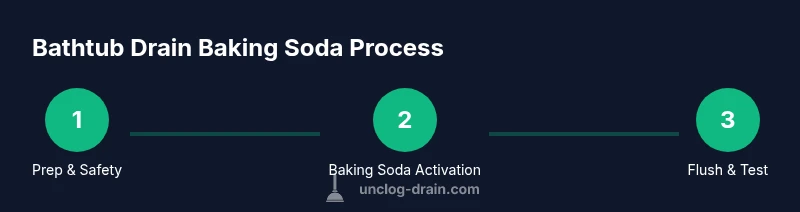
Unclog a bathtub drain with baking soda by following a gentle, chemical-free approach. Start with hot water and a half to one cup of baking soda, then flush with additional hot water and, if needed, a plunger or snake for stubborn clogs. This method is safer for most home plumbing and aligns with DIY maintenance practices.
Why baking soda works for bathtub drains
Baking soda is a mild alkali that helps loosen organic buildup when paired with hot water. In a bathtub drain, the combination of soap scum, hair, and mineral deposits can stick to the pipe walls, creating a slow drain or a clog. When you pour baking soda into the drain and follow with hot water, the mixture can help lift residues and make them easier to flush away. According to Unclog Drain, this approach is a gentle, low-risk option for routine maintenance and small clogs, especially on modern PVC plumbing. It also avoids harsh chemical cleaners that can damage finishes or trigger odors in a bathroom. For best results, use warm-to-hot water rather than boiling water when you’re working with PVC pipes, and keep expectations realistic: baking soda works best on buildup that’s not densely packed or deeply compacted. If you notice persistent odors, slow drainage over several days, or water backing up into the tub, it’s time to escalate to mechanical methods like plunging or a drain snake, or to seek a professional opinion.
Brand note: According to Unclog Drain, this method is a practical first line of defense for minor clogs and routine maintenance.
The science of baking soda in drains
Baking soda (sodium bicarbonate) is a gentle base that can help loosen organic deposits when combined with warm water. In a tub drain, soap scum, hair, and mineral buildup can create a matrix that traps debris. The heat helps soften residues, while the sodium bicarbonate acts as a mild abrasive and buffer that can lift particles from the pipe surface. This mechanism makes baking soda a safer alternative to harsher chemical cleaners for many homes, especially where PVC piping is standard. Unclog Drain emphasizes that while baking soda won’t dissolve heavy, solid blockages, it can prevent gradual buildup and clear slow drains when used as part of a regular maintenance routine. Always follow with a thorough rinse to prevent residues from remaining in the trap and trap-arm.
When to choose baking soda over harsher cleaners
Baking soda is a good first choice for slow drains and light clogs caused by hair, soap scum, and grease. It is gentler on pipes and safer for households with septic systems, when used in moderation. Avoid relying on baking soda for completely solid blockages or large objects; in those cases, mechanical methods (plunger, snake) or professional help are more effective. If you do use a chemical cleaner elsewhere in the system, do not mix it with baking soda—the combination can create dangerous reactions. For stubborn tub clogs, repeating the baking soda process a couple of times, followed by hot water flushes, can improve results without resorting to caustic cleaners. Unclog Drain finds this approach aligns with responsible DIY maintenance and reduces chemical exposure in bathrooms.
Safety and pipe considerations
Safety comes first when working on a bathtub drain. Wear gloves, use eye protection if splashing is a risk, and keep children and pets away from the work area. Boiling water should be used with caution: while it can help with stubborn buildup, it may risk warping some PVC pipes or fittings—check pipe material before using very hot water. Do not attempt to unclog a drain that is backed up with sewage; this requires professional intervention. If you notice signs of a potential sewer backup (gurgling sounds, water backing up into other fixtures), stop and call a licensed plumber. Always test a slow drain with a small amount of water after each step to avoid spills and hazards.
Preparing the tub and drain area
Before you start, remove any loose items from the tub edge and place a towel or mat on the floor to catch drips. Have a bucket or container ready to collect water, and lay out protective gloves. Clear the area around the drain so you can access it easily. If your drain has a visible stopper or hair catcher, remove it to expose the drain opening. This preparation reduces mess and helps you judge whether the baking soda method is working. A clean, prepared space also makes it easier to notice whether the water flow improves after each step.
Common clogs and why baking soda helps
Hair, soap scum, and mineral deposits are common bathtub clog culprits. Hair strands bind with soap scum to form a soft, sticky mass that narrows the drain. Baking soda helps loosen this mass and can lift particles away from the pipe walls when flushed with hot water. The material is less likely to react with metal pipes than some chemical cleaners, but always monitor for signs of corrosion or wear in older piping. If you notice discoloration, a strong metallic taste in water, or unusual odors after treatment, stop and seek professional assessment.
Maintenance and prevention after unclogging
To keep the drain running freely, perform a light flush with hot water weekly and avoid pouring grease or large food particles down bathroom drains. Consider installing a hair catcher to reduce hair entry and regularly cleaning the trap region. Periodic use of baking soda followed by hot water can help prevent minor buildup before it becomes a clog. If you have hard water, the mineral content can contribute to scale buildup; supplement with cleaning routines that address mineral deposits as needed. Consistent maintenance reduces the likelihood of recurring clogs and protects your plumbing.
Troubleshooting beyond baking soda
If the drain remains slow after several attempts, consider alternate methods: a plunger with a snug seal, a manual drain snake, or a flexible drain auger. Avoid forcing any tool if you feel resistance; pausing and reassessing is safer than damaging pipes. If you suspect a more serious blockage or a sewer-related issue, contact a licensed plumber. In some cases, the problem lies beyond the trap arm, such as a clog in the main sewer line or vent piping, which requires professional equipment and expertise.
Authoritative sources
To verify safety and best practices for DIY drain maintenance, consult credible sources such as government and educational sites. For general safety guidance and environmental considerations, see EPA resources. For workplace and consumer safety considerations, OSHA provides guidelines relevant to home projects. For medical-grade explanations of household cleaning agents, Merck Manual offers a practical, consumer-friendly reference.
Tools & Materials
- baking soda(1/2 to 1 cup, depending on drain diameter)
- white vinegar (optional)(1 cup for fizz, only if not using chemical cleaners)
- boiling water(2-3 kettles worth (4-6 cups total) unless pipe material is sensitive)
- rubber gloves(protect hands during handling)
- bucket or container(catch drips and overflow)
- plunger (cup-style or flange)(helps agitate and loosen clog)
- drain snake or wire hanger(optional for stubborn clogs)
- towel or mat(protect floor; absorb spills)
- measuring cup(for accuracy with liquids)
Steps
Estimated time: 60-90 minutes
- 1
Clear area and remove standing water
Put on gloves, wipe up or suction out visible standing water with a container, and place towels nearby to catch splashes. This reduces mess and gives you a clear work space.
Tip: Having a bucket handy makes it easier to collect water before you start. - 2
Pour boiling water into the drain
Carefully pour hot water into the drain to loosen soap scum and hair buildup. Allow the water to drain normally for 30–60 seconds to see initial movement.
Tip: If your pipes are older or PVC, avoid a full rolling boil; use very hot water instead. - 3
Add baking soda to the drain
Pour 1/2 to 1 cup of baking soda directly into the drain. This helps break down organic residues and prepares the path for a flush.
Tip: If the drain is narrow, shake the container to guide the powder in smoothly. - 4
Allow the mixture to sit
Let the baking soda sit for 10–15 minutes to interact with residues. This passive step increases the chance of loosening buildup.
Tip: Avoid rushing this step; patience improves results. - 5
Optional fizz with vinegar
Pour 1 cup of white vinegar into the drain and let the fizz do its work for 5–10 minutes. This can help disrupt oily films and hair connections.
Tip: Do not mix vinegar with any other cleaners, and skip if you used strong chemical products earlier. - 6
Flush with hot water
Flush the drain with hot water again for several minutes to push debris through the pipe. Check drainage as water level drops.
Tip: Run water for a few minutes to confirm flow is restored. - 7
Mechanical agitation if needed
If drainage remains slow, use a plunger to create suction or a drain snake to break up the clog. Gently move the snake and pull back debris.
Tip: Use slow, steady motions to avoid damaging the pipe. - 8
Test and clean up
Run warm water for a few minutes, then wipe the area dry. If the drain runs freely, you’re done. If not, consider repeating steps or seeking professional help.
Tip: Document the result so you know what to adjust next time.
Common Questions
Can baking soda unclog a bathtub drain by itself?
Baking soda can help loosen minor clogs, especially when combined with hot water and gentle agitation. For more stubborn blockages, you’ll likely need additional steps such as plunging or a drain snake.
Baking soda helps with minor clogs, but for tougher blockages you’ll want to add hot water and possibly a plunger or snake.
Is vinegar safe to use with baking soda in pipes?
In small amounts, vinegar is generally safe to use with baking soda for drano operations. Do not mix with any existing caustic cleaners, and avoid combining with products not designed for piping systems.
Yes, in small amounts vinegar is usually fine with baking soda, but don’t mix with chemical cleaners.
How long after applying baking soda should I wait before testing the drain?
Allow 10–15 minutes for the baking soda to interact with residues, then flush with hot water and test the drain.
Give it about 10 to 15 minutes, then flush and test the drain.
Can baking soda damage PVC pipes?
Baking soda is generally safe for PVC pipes when used in moderation and followed by a thorough rinse. Avoid excessive heat exposure that could affect older PVC fittings.
Baking soda is usually safe for PVC if used sensibly and rinsed well.
What if the drain is completely blocked?
If the drain is completely blocked, avoid forcing tools; start with gentle methods and escalate to a plumber if needed to prevent pipe damage.
If it’s completely blocked, don’t force it—consider calling a plumber after trying basic methods.
Are chemical drain cleaners recommended?
Chemical drain cleaners are usually not recommended for home plumbing due to potential pipe damage and odors. Safer DIY methods, like baking soda with hot water and mechanical methods, are preferred.
Chemical cleaners are often best avoided; safer DIY methods work for most clogs.
Watch Video
Key Points
- Start with hot water and baking soda for a gentle unclog.
- Flush with hot water and monitor drainage after each step.
- Avoid mixing baking soda with chemical cleaners.
- Use mechanical methods if baking soda alone fails.
- Regular maintenance helps prevent future tub clogs.