Shower Not Draining? Fast Troubleshooting Guide for Homeowners
Learn a proven, step-by-step approach to diagnose and fix a shower that won't drain. Unclog Drain guides you through common clogs, safe tools, and when to call a pro.


A shower not draining is most often caused by hair and soap scum building up in the drain, forming a clog. Start by removing the drain cover, clearing visible debris, then plunging the drain, and if needed use a snake. If water still backs up, check the P-trap and vent, and call a pro for main-line or vent issues.
Immediate safety check and verification
Safety comes first when a shower won’t drain. If water is rising, switch off the bathroom faucet or property clean water supply if a shutoff is accessible. Place towels or a basin to catch overflow and prevent damage. Wear gloves and eye protection as you inspect the drain and remove the drain cover to observe for obvious debris. According to Unclog Drain, many shower drainage issues start with hair and soap scum that accumulate near the drain. A quick visual check helps you decide whether this is a simple surface clog or a sign of a deeper blockage. If you see standing water with no obvious debris, this could indicate a deeper clog or venting problem and warrants a methodical approach.
Common causes of a shower that won't drain
There are several frequent culprits behind a stubborn shower drain. Hair, soap scum, and mineral buildup can form a dense clog just below the grate. A full or partially blocked P-trap can trap debris and slow flow. In some homes, a clogged vent stack or a blocked main sewer line can create slow drainage that affects the shower alone or multiple fixtures. Don’t overlook foreign objects accidentally dropped into the drain. Recognizing the cause helps you choose the right fix and avoid unnecessary chemical products that may damage pipes.
Essential tools and safety gear
Before you begin, assemble the right tools to avoid improvisation that can damage fixtures. You’ll want a drain cover removal tool or flat-head screwdriver, a bathroom plunger, a hand auger or plumber’s snake, a bucket, towels, rubber gloves, safety glasses, a flashlight, and a wrench if you need to loosen the P-trap. Use proper PPE and keep a clean workspace to minimize spills. Avoid mixing chemical cleaners with mechanical methods; this can create harmful fumes or pipe damage.
Diagnostic flow overview
This section outlines a practical decision tree to help you identify the cause and decide on the fix. Start with a visual check for obvious debris, then attempt a gentle plunge to test mobility. If the plunge doesn’t clear the clog, inspect the P-trap for standing water and clean it if accessible. Consider venting issues if drainage remains slow after mechanical cleaning. For a suspected main-line or vent problem, it’s wise to escalate to pro help. Following a logical flow prevents random, risky attempts and keeps your home safe.
Step-by-step fix: fix the most common cause (hair clog)
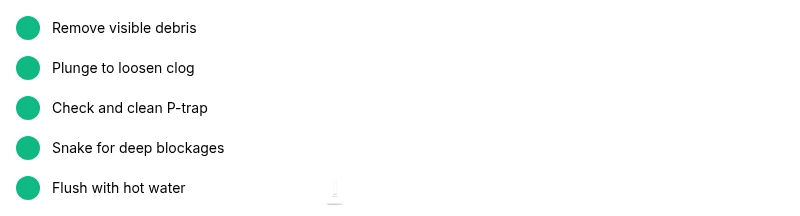
Fixing a hair and soap-clog is the most common quick win. Remove the drain cover and clear visible hair with gloved hands or a disposable tool. Use the plunger with a tight seal to loosen the clog and then flush with hot water. If needed, gently pull the snake through the drain to grab deeper hair clusters. Reassemble the cover, run hot water for a few minutes, and observe the drainage. This approach solves many routine clogs without specialist tools.
Deeper fixes: P-trap removal and snake use
If the surface clog remains, you may need to access the P-trap. Place a bucket beneath the trap, loosen the connection with a wrench, and carefully remove the trap to clean out trapped debris. A plumber’s snake can reach farther into the drain; rotate and feed the snake slowly, pulling back to break up or capture the clog. After cleaning, reattach the P-trap securely and run water to verify drainage. If you encounter hard resistance or pipe damage, stop and call a professional.
Prevention and maintenance plan
To prevent future clogs, install a hair catcher on the drain, clean debris weekly, and rinse with hot water periodically to dissolve soap scum. Avoid flushing non-dissolving items or pouring grease down the shower drain. If you live in a hard-water area, consider a routine mineral scale cleaning with a safe cleaner and maintain vent integrity by not sealing the vent or removing existing caps without guidance. A small maintenance habit goes a long way toward smooth draining.
When to call a professional and what to expect
If you have attempted mechanical cleaning for 30–60 minutes without success, or if you notice gurgling sounds from the drain, water backing up into other fixtures, or suspect a vent or main-line issue, contact a licensed plumber. A professional can perform a camera inspection, verify venting, and assess sewer-line integrity. The Unclog Drain team recommends escalating to pro help when basic fixes fail because complex obstruction or damaged pipes can lead to costly water damage if left untreated.
Steps
Estimated time: 45-90 minutes
- 1
Gather tools and prep
Collect a drain cover tool, plunger, hand auger, bucket, towels, gloves, flashlight, and a wrench. Clear the area and place towels to catch spills. Read safety labels on any cleaners you plan to use.
Tip: Lay a towel to protect the floor and work slowly to avoid splashing. - 2
Remove drain cover and clear debris
Carefully remove the drain cover with the appropriate tool. Clear visible hair and soap scum with gloved hands or a small tool, discarding debris in a trash bag. Rinse the area with water to assess movement.
Tip: Keep the drain cover screws in a safe place for reassembly. - 3
Plunge the drain
Position the plunger to seal the drain, applying steady pressure with up-and-down motions. Remove and inspect after several cycles; repeat as needed until water drains more freely.
Tip: Ensure a tight seal; if air leaks, reposition the plunger. - 4
Inspect and clean the P-trap
Place a bucket under the trap, loosen the nuts with a wrench, and remove the trap. Remove any hair and buildup, then reassemble securely and run water to test.
Tip: Take a quick photo of the trap orientation before disassembly to ensure correct reassembly. - 5
Snake the drain for deeper blockage
Insert the drain snake into the pipe, rotate to break up or grab debris, and pull back. Repeat several times before removing the snake.
Tip: Go slow and avoid forcing; excessive pressure can damage pipes. - 6
Flush and test
Reassemble all parts, run hot water for several minutes, then test drainage from multiple angles (shower, tub, and sink if connected) to ensure consistent flow.
Tip: If water remains slow, consider enzymatic cleaners as a follow-up and monitor for 24 hours.
Diagnosis: Shower water drains slowly or backs up after turning on the water
Possible Causes
- highHair and soap scum clog near the drain
- highBlocked P-trap with trapped debris
- mediumVenting issues causing slow drainage
- mediumMineral buildup and soap scum forming a coating inside pipes
- lowSewer main line blockage affecting multiple fixtures
Fixes
- easyRemove visible debris from the drain and clean the drain cover area
- easyUse a plunger to break up the clog and flush with hot water
- mediumDisassemble and clean the P-trap to remove trapped debris
- mediumSnake the drain to reach deeper blockages
- easyApply enzymatic or safe mineral cleaners to dissolve organics, if appropriate
- hardConsult a professional for vent or main-line issues
Common Questions
Why is my shower not draining?
Most often it’s a hair and soap-clog near the drain or in the P-trap. A slow drain can also come from venting issues or mineral buildup. Following a methodical, mechanical approach usually resolves the issue without expensive repairs.
Hair and soap clog near the drain is the most common cause. Start with basic cleaning and mechanical methods before considering professional help.
Can I use chemical drain cleaners for a shower clog?
Chemical cleaners can damage seals and pipes, and they often don’t reach hair clogs deep in the drain. If you choose cleaners, use enzymatic formulas and follow the product directions carefully. In most cases, mechanical methods are safer and more effective.
Chemical cleaners can be risky; safer to try mechanical methods first and consider enzymatic cleaners only if necessary.
Do I need to remove the P-trap to clear a clog?
Not always, but it’s a common step if the clog is near the trap. If you can access it safely, remove, clean, and reassemble, then test drainage. If you’re unsure, stop and call a professional.
If accessible, removing the P-trap can clear the blockage. If unsure, contact a plumber.
What tools do I need to unclog a shower drain?
You’ll typically need a drain cover remover, plunger, hand auger or snake, bucket, gloves, and a wrench if you must lift the trap. A flashlight helps to inspect the interior. Avoid mixing cleaners with tools used for mechanical clearing.
Common tools include a plunger, snake, bucket, gloves, and a flashlight.
When should I call a plumber?
Call a plumber if you can’t clear the clog after multiple attempts, if you hear gurgling from the drain, or if you suspect vent or main-line issues. Early professional input can prevent water damage and more expensive repairs.
If you can’t clear the clog after several tries, or if you hear gurgling, call a plumber.
Will a hair catcher prevent future clogs?
Yes. A good hair catcher reduces hair accumulation and makes maintenance easier. Clean the catcher regularly and rinse the drain to maintain flow.
Hair catchers help, and regular cleaning keeps drains flowing smoothly.
Watch Video
Key Points
- Start with safety and simple checks
- Mechanical methods beat harsh chemicals for most clogs
- Inspect P-trap and use a snake for deeper blockages
- Prevent clogs with hair catchers and routine maintenance
- Call a plumber for vent/main-line issues or persistent clogs