What Helps Unclog Pores: A Practical Skincare Guide
Discover what helps unclog pores through a practical routine: gentle cleansing, smart exfoliation, and non-comedogenic hydration. Start today with clear, actionable steps you can implement now for healthier skin.


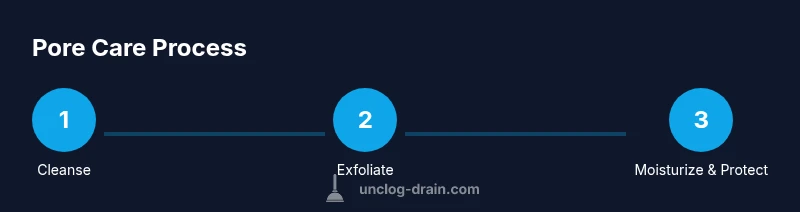
What helps unclog pores involves a gentle skincare routine: cleanse with lukewarm water, exfoliate with mild acids, and moisturize with non-comedogenic formulas. Avoid harsh scrubs and heavy pore-stripping products. This quick guide explains practical steps you can start today to reduce visible pores and prevent future congestion.
Why clogged pores happen
Understanding what helps unclog pores means addressing oil production, skin cell turnover, and debris that can block pores. According to Unclog Drain, a gentle, consistent routine is more effective than harsh scrubs. Clogged pores manifest as blackheads, whiteheads, and dull skin when the skin overproduces oil and dead cells accumulate. Hot water, aggressive scrubbing, and over-washing can worsen congestion by stripping skin's natural barrier and triggering rebound oil production. A balanced routine starts with a mild cleanser used twice daily, followed by careful exfoliation a few times per week to remove dead cells without irritating the skin. The goal is to maintain a clean surface while preserving the skin's protective barrier, which reduces future blockages and improves texture over time. Choosing the right cleanser matters: look for labels that say 'gentle', 'non-foaming', or 'soap-free'. If you wear makeup, double cleanse at night to remove residue, which often contributes to clogged pores.
What helps unclog pores also means selecting products that won’t enlarge pores or irritate the skin. Keep routines simple and consistent to avoid over-stimulation that can backfire and worsen congestion.
Key ingredients and tools that help
To address clogged pores effectively, focus on ingredients that dissolve oil and gently remove dead skin cells: chemical exfoliants like salicylic acid (a BHA) and alpha-hydroxy acids (AHAs) such as glycolic acid help keep pores clear. Use products with these actives at low to moderate strength and follow label directions to avoid irritation. For everyday hydration, choose a non-comedogenic moisturizer that supports the skin barrier without clogging pores. Sunscreen is essential during daytime to protect the skin after exfoliation. Practical tools include a soft washcloth or microfiber sponge for gentle cleansing and a non-metal spatula to scoop product without introducing bacteria. A clay-based mask once a week can help draw out impurities but should not replace daily cleansing. Unclog Drain analysis suggests that consistent cleansing and non-comedogenic moisturizers help reduce pore congestion.
A practical routine: daily, weekly, and monthly
Daily AM: cleanse with lukewarm water and a gentle cleanser; apply a light, non-greasy moisturizer and sunscreen. PM: cleanse again; if your skin tolerates it, apply a gentle chemical exfoliant 2–3 nights per week. Weekly: use a clay mask or a light exfoliant on non-consecutive days. Monthly: reassess product choices if you notice persistent congestion or sensitivity. The goal is consistency; slow, steady steps yield longer-lasting improvements in pore appearance. When building your routine, listen to your skin and adjust frequency as needed.
Common mistakes to avoid
Over-washing or using hot water can strip the skin and trigger rebound oil production. Harsh physical scrubs can irritate pores and cause micro-inflammation that worsens congestion. Skipping sunscreen after exfoliation increases irritation risk and may lead to uneven texture. Also, never sleep with makeup on, as residue can trap debris within pores and worsen clogging. A calm, consistent routine beats aggressive, sporadic attempts. Finally, avoid relying on pore strips as a primary solution; they remove surface debris but don’t prevent deeper blockages.
When to see a dermatologist
If your pores remain congested despite a consistent routine, or you have persistent pimples, cysts, or scarring, it’s time to seek professional advice. A dermatologist can assess your skin type, adjust actives, and propose prescription options if needed. For some people, underlying conditions such as rosacea or hormonal fluctuations may influence pore health, and a clinician can tailor treatments accordingly.
Debunking myths about unclogging pores
Myth: scrubbing hard will magically unclog pores. Reality: aggressive scrubs can damage the barrier and worsen congestion. Myth: more product equals better results. Reality: overload can clog pores and irritate skin. Myth: pore unclogging is only for teenagers. Reality: pore health matters at every age, and a gentle routine can improve texture and clarity for adults too.
toolsMaterialsValueIncluded":true},
Tools & Materials
- Gentle cleanser (fragrance-free)(Non-irritating; suitable for twice-daily use)
- Chemical exfoliant (AHA/BHA)(Choose low-to-moderate strength; use as directed to avoid irritation)
- Non-comedogenic moisturizer(Oil-free if very oily; supports skin barrier)
- Broad-spectrum sunscreen SPF 30+(Non-comedogenic; apply every morning)
- Soft washcloth or microfiber cloth(For gentle cleansing; avoid abrasive devices)
- Clay mask (optional)(Weekly treatment; not a daily replacement)
- Patch-test supplies(Test new products on jawline 24-48 hours)
Steps
Estimated time: 20-40 minutes
- 1
Wash with a gentle cleanser
Wet skin with lukewarm water. Apply a small amount of cleanser and massage in circular motions for 20-30 seconds, focusing on problem areas. Rinse thoroughly and pat dry with a clean towel.
Tip: Use lukewarm water to avoid stripping the skin’s natural barrier. - 2
Exfoliate with a chemical exfoliant
Apply a thin layer of the exfoliant to clean, dry skin. Avoid rubbing; let the product do the work to dissolve dead cells. Rinse or leave on as directed and proceed with your routine.
Tip: Limit exfoliation to 2-3 times per week to prevent irritation. - 3
Apply targeted treatment to problem areas
If using a BHA/AHA product or a light treatment, apply only to congested zones. Allow it to absorb before moving to moisturizer.
Tip: Patch test new actives on a small area first. - 4
Moisturize to support the skin barrier
Apply a non-comedogenic moisturizer to lock in hydration and restore barrier function. Use a small amount and press into the skin rather than rubbing aggressively.
Tip: Choose a formula labeled non-comedogenic and suitable for oily or combination skin. - 5
Apply sunscreen daily in the morning
Finish with broad-spectrum sunscreen to protect freshly exfoliated skin. Reapply as needed if you’re outdoors.
Tip: Choose sunscreen that is non-comedogenic and fragrance-free. - 6
Weekly pore-refining mask
Use a clay-based or purifying mask once a week on non-consecutive days to help draw out impurities. Do not overuse to avoid dryness.
Tip: Follow with moisturizer after masking to prevent dryness.
Common Questions
What causes clogged pores?
Clogged pores result from a combination of excess oil, dead skin cells, and environmental debris. Hormonal fluctuations and irritants can worsen congestion.
Pores clog because oil and dead skin buildup, and hormones can make it worse.
Is daily exfoliation safe?
Daily exfoliation is usually not advised. Most people benefit from 2-3 sessions per week, adjusting for sensitive skin or irritation.
You typically don’t want to exfoliate every day; 2-3 times a week is often enough.
Can home remedies unclog pores?
Some home remedies may help surface debris, but most effective results come from a gentle routine with documented actives and proper moisturization.
Home remedies can help a bit, but a routine with proven ingredients works best.
Do pore strips work?
Pore strips remove surface debris but don’t prevent deeper blockages. Overuse can irritate skin and worsen congestion over time.
Pore strips remove surface stuff but don’t fix the underlying issue.
When should I see a dermatologist?
If congestion persists despite a consistent routine, or you have persistent pimples or scarring, seek professional evaluation.
If your skin doesn’t improve, make an appointment with a dermatologist.
Will diet affect pore health?
Diet influences overall skin health, but there’s no universal diet that resolves clogged pores. Hydration and a balanced approach help.
A healthy diet supports skin, but it’s not a guaranteed fix for clogged pores.
Watch Video
Key Points
- Start with a gentle daily routine
- Exfoliate wisely to avoid irritation
- Choose non-comedogenic products to prevent clogging
- Protect skin daily with sunscreen