How to Prevent Clogged Pores: A Practical Skincare Guide
Learn proven steps to prevent clogged pores with a balanced skincare routine, gentle cleansing, exfoliation, and non-comedogenic products. This expert guide covers daily habits, product choices, and lifestyle tips to keep pores clear and skin healthy in 2026.


By following this skincare plan, you’ll prevent clogged pores and maintain clear skin. Start with a gentle daily cleanse, use non-comedogenic moisturizers, and exfoliate wisely. Keep a light, pore-friendly routine, avoid heavy occlusive products, and adjust for your skin type. Gather a gentle cleanser, a non-comedogenic moisturizer, a mild exfoliant, and sunscreen.
Understanding clogged pores and skin biology
Clogged pores occur when the skin’s natural oils (sebum) mix with dead skin cells and bacteria, trapping debris within hair follicles. This buildup can manifest as whiteheads, blackheads, or inflamed bumps. The goal of prevention is not to strip the skin, but to support the normal turnover of skin cells, regulate oil production, and keep environmental debris away from pores. According to Unclog Drain, pore health mirrors overall skin balance: when the skin’s protective barrier remains strong and you select gentle, non-irritating products, pores stay clearer and less reactive. Start by identifying your skin type (dry, oily, or combination) and committing to a consistent routine over quick fixes. Remember that prevention is easier than dealing with clogged pores after they form.
In this section we’ll explore how to keep pores clean by maintaining balance, minimizing irritants, and avoiding ingredients that over-dry or irritate the skin.
Building a weekly schedule that protects pores
A sustainable routine is more effective than a perfect one-off. Aim for steady daily habits and a predictable weekly routine. For most people, this means a twice-daily cleanse, selective exfoliation 1-2 times per week, lightweight moisturizers, and sun protection. Environmental factors—such as pollution, sweat, and humidity—can affect pore status. By planning ahead, you reduce the chance of neglectful days that lead to buildup. In practice, your schedule should be realistic, simple to maintain, and adjustable when your skin changes with weather, hormones, or stress. Craft a routine you can follow for at least 4-6 weeks to observe genuine results and adjust only when needed.
Cleansing: the first line of defense against pore clogging
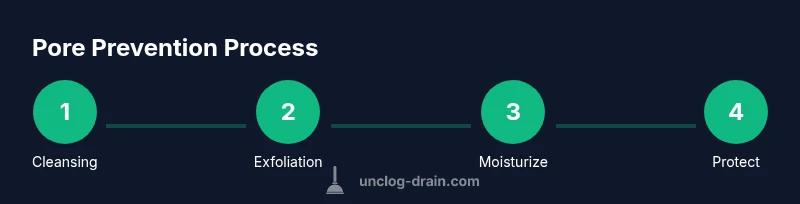
Gentle cleansing is critical. Use a mild cleanser that removes dirt and makeup without stripping your skin’s barrier. Cleanse with lukewarm water for 20-30 seconds, then rinse thoroughly. Avoid aggressive scrubs or hot water, which can inflame and irritate pores. If you wear makeup, use a makeup remover or a cleansing oil before washing to ensure thorough but gentle removal. The goal is to remove surface grime without disrupting natural oils that protect pores.
Exfoliation: how to remove dead skin without overdoing it
Exfoliation helps clear pore-blocking debris, but overdoing it can irritate skin and worsen pores. Use a chemical exfoliant with beta-hydroxy acids (BHAs) like salicylic acid 1-2 times per week for oily or combination skin, and a gentler approach for dry skin. Physical exfoliants should be used sparingly and with a soft touch, or replaced with a mild, brush-based routine if you tolerate them well. Always follow exfoliation with a hydrating moisturizer to maintain barrier strength. Exfoliation should leave skin feeling smooth—not tight or inflamed.
Moisturizing: choosing lightweight, non-comedogenic formulas
Moisturizers seal in hydration and protect the skin’s barrier, which helps regulate oil and prevents pore irritation. Look for non-comedogenic labels and lightweight textures that won’t clog pores. If you have oily skin, a gel-based moisturizer can balance hydration without heaviness; if you’re dry, opt for a fragrance-free formula with soothing ingredients. Always apply sunscreen as the final step in daytime routines to protect skin and prevent inflammation that can contribute to clogged pores.
Sun protection: why daily sunscreen matters for pores
Sunscreen helps prevent sun-induced irritation and redness that can inflame follicles and worsen pore appearance. Choose a broad-spectrum sunscreen labeled non-comedogenic, and apply a thin, even layer 15 minutes before sun exposure. Reapply as needed when outdoors. Sun protection supports long-term pore health and skin clarity by reducing cumulative irritation that can lead to congested pores over time.
Diet, hydration, and lifestyle: supporting skin from within
Hydration and a balanced diet support skin health, though they don’t directly unclog pores. Drink water regularly, eat a varied diet with plenty of fruits, vegetables, and healthy fats, and limit excessive dairy or high-glycemic foods if you notice your skin reacts after meals. Sleep and stress management also impact sebum production and inflammatory responses. A holistic approach—combining a gentle routine with healthy lifestyle choices—helps maintain clear pores over the long term.
When to seek professional help and pattern recognition
If you notice persistent clogged pores, blackheads, or recurring breakouts despite a consistent routine, consider consulting a dermatologist. They can help identify underlying causes, such as hormonal fluctuations or sensitivity to ingredients. Keep a simple skincare diary noting products used, timing, and skin responses to identify triggers and adjust your routine accordingly. Regular professional advice can prevent overused products that irritate the skin and worsen pore congestion.
Maintenance mindset: turning routines into habits
Successful prevention relies on habit formation rather than temporary fixes. Normalize your skincare routine as part of daily life, not as a chore. Build reminders, prepare your products in a dedicated space, and choose multi-tasking products that align with your goals. With consistency, your pores will feel less congested and appear more refined over time, especially when combined with a skincare strategy tailored to your skin type.
Quiet cues and monitoring: listening to your skin
Your skin communicates needs through subtle signals—tightness, dullness, redness, or oiliness. Pay attention to these cues and adjust cleaning frequency, exfoliation, or moisturization as needed. A gradual approach reduces irritation and maintains barrier integrity. By staying attuned to changes, you’ll prevent abrupt shifts that can trigger clogged pores and acne flare-ups.
Tools & Materials
- Gentle cleanser (fragrance-free, non-irritating)(Choose one labeled for sensitive or normal skin)
- Non-comedogenic moisturizer(Oil-free or gel-based options often work well)
- Mild exfoliant (BHAs or AHA + BHA, 1-2x/week)(Avoid daily exfoliation; read label for percentage)
- Sunscreen (broad-spectrum, SPF 30+)(Non-comedogenic formula preferred)
- Towel or washcloth (soft)(For gentle cleansing and exfoliation prep)
- Makeup remover or cleansing oil(Safely remove makeup before cleansing)
- Water at comfortable warm temperature(Avoid hot water that dries skin)
Steps
Estimated time: 30-40 minutes
- 1
Prepare and cleanse
Begin with a gentle cleanse using lukewarm water. Massage the cleanser in small circular motions for 20-30 seconds, then rinse thoroughly. This clears surface debris without stripping essential oils.
Tip: Use lukewarm water; hot water can irritate and worsen pore congestion. - 2
Assess skin type and product needs
Take a moment to confirm your skin type and adjust products accordingly. If your skin feels tight or irritated after cleansing, switch to a milder formula or reduce rinse time.
Tip: Patch-test new products on a small area for 24 hours before full use. - 3
Incorporate exfoliation mindfuly
Apply a gentle exfoliant 1-2 times per week, focusing on areas prone to congestion. Do not scrub aggressively; let the chemical exfoliant do the work to avoid micro-tears.
Tip: Do not exfoliate on days you are using retinoids or during active breakouts. - 4
Moisturize to balance
Apply a lightweight, non-comedogenic moisturizer to seal hydration. Even oily or acne-prone skin benefits from moisture to support barrier health and reduce overproduction of oil.
Tip: Apply moisturizer while skin is slightly damp to lock in hydration. - 5
Protect with sunscreen
Finish with a broad-spectrum sunscreen outdoors. Reapply as needed, especially after sweating or swimming. This protects against inflammation that can worsen pore visibility.
Tip: Choose a non-comedogenic formula to minimize pore clogging. - 6
Review and adapt
End with a quick routine review: have there been changes in oiliness, texture, or breakouts? Adjust cleanser or exfoliant frequency if needed.
Tip: Keep a simple skincare diary to detect and modify triggers.
Common Questions
What causes clogged pores?
Clogged pores result from a buildup of sebum, dead skin cells, and bacteria. Regular, mild cleansing and non-comedogenic products help prevent these blockages from forming.
Pores get clogged when oil, dead skin, and bacteria build up. Gentle cleansing and non-comedogenic products help prevent blockages.
How often should I exfoliate to prevent clogs?
Exfoliate 1-2 times per week for most skin types. Avoid daily scrubs; opt for chemical exfoliants like BHAs for deeper pore cleansing without irritation.
Exfoliate once or twice weekly, using a gentle chemical exfoliant to keep pores clear without irritation.
Are all non-comedogenic products safe for pores?
Non-comedogenic means less likely to clog pores, but individual reactions vary. Look for products labeled oil-free or gel-based and monitor how your skin responds.
Non-comedogenic products are less likely to clog pores, but everyone's skin reacts differently, so watch how yours feels.
Can diet or hydration influence pore appearance?
Diet and hydration influence overall skin health and inflammation, which can affect pore appearance. A balanced diet and consistent hydration support clearer skin over time.
A healthy diet and good hydration support skin health, which can help pores look better over time.
What should I avoid to prevent clogging?
Avoid heavy, occlusive oils and thick creams on the face, particularly if you’re prone to breakouts. Also limit aggressive scrubbing and irritation.
Skip thick, heavy oils on your face and don’t scrub hard—gentle care keeps pores clearer.
How long before I see improvement?
Most people notice improvements after 4-6 weeks of consistent routine, with ongoing adjustments as needed for seasonality and lifestyle.
You’ll likely see changes after about a month or so with steady routine adjustments.
Watch Video
Key Points
- Start with a gentle, twice-daily cleanse.
- Exfoliate 1-2 times per week, not daily.
- Use non-comedogenic moisturizers and sunscreen.
- Tune your routine to your skin type and season.
- Monitor skin signals and adjust gradually.