How to Unclog Veins in Legs: Safe Home Care Guide
Practical, expert guidance on supporting leg vein health at home. Learn signs, safe routines to unclog veins in legs, and when to seek professional care. Unclog Drain shares actionable steps for better venous comfort and circulation.


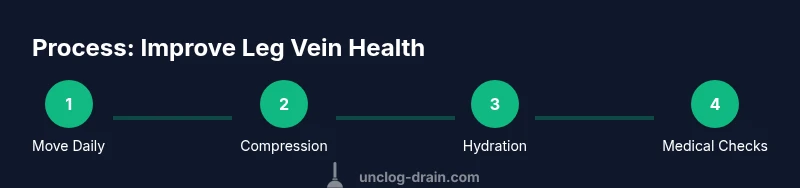
To unclog veins in legs safely, prioritize daily movement, leg elevation, compression stockings, and proper hydration, plus weight management. Avoid long periods of standing or sitting, and wear supportive footwear. If you notice persistent swelling, color changes, warmth, or severe pain, seek medical advice promptly. According to Unclog Drain, improving venous return matters most, and professional care is essential for suspected blockage or venous disease.
What does it mean to unclog veins in legs?
When most people say they want to unclog veins in legs, they’re referring to improving venous return and reducing pressure on the leg veins. Veins are supposed to move blood upward toward the heart with the help of muscle movement and valves. If valves weaken or the calf muscles aren’t active enough, blood can pool, causing swelling, aching, or the visible bulges of varicose veins. It’s important to emphasize that home care can support circulation, but it cannot replace medical evaluation for suspected venous blockage or deep venous thrombosis. The Unclog Drain approach focuses on safe, everyday practices that enhance venous return and symptom relief while you monitor progress with a clinician.
Foundations for leg vein health
Your leg vein health is influenced by a combination of genetics, hormones, weight, activity level, and fluid balance. Common risk factors include prolonged immobility, sedentary work, pregnancy, obesity, and a history of vein problems. Even without a diagnosed condition, people can benefit from habits that support healthy venous flow to avoid worsening symptoms. For those aiming to “unclog veins in legs,” the goal is regular movement and smart postures that reduce venous pressure. In this guide, you’ll learn practical actions that align with evidence-based guidance while keeping safety at the forefront. The Unclog Drain team underscores the value of consistent routines rather than one-off fixes.
Daily movement routines to support circulation
Movement is the backbone of venous return. Short bouts of activity throughout the day help push blood upward through leg veins. Start with easy options like a 10-minute morning walk, 5-minute leg raises at your desk, and gentle ankle pumps while seated. Build toward a routine that includes at least 150 minutes per week of moderate activity, plus two days of light resistance work. Each movement helps your body actively work against gravity, decreasing the effort required to unclog veins in legs over time. Remember to listen to your body and gradually increase intensity to avoid strains.
Compression stockings and leg elevation strategies
Compression stockings apply graduated pressure, aiding venous return from the lower legs. If advised by a clinician, wear stockings daily during waking hours, adjusting the rank based on comfort and symptoms. When you sit for long periods, elevate your legs with a small pillow or leg wedge to promote drainage and reduce swelling. If you’re standing for extended periods, shift weight often and take micro-breaks to walk around. These practices contribute to unclogging veins in legs by helping blood move more efficiently back toward the heart.
Hydration, fiber, and nutrition for vein health
Hydration supports circulating blood volume and helps prevent thickened blood, which can strain leg veins. Pair water intake with a fiber-rich diet to prevent constipation, which can increase abdominal pressure and venous pressure in the legs. Reducing high-sodium foods can also help manage edema and keep vein walls more comfortable. While no single food will “unclog” veins instantly, consistent hydration and nutrition underpin gradual improvements in leg vein comfort and function.
Safe at-home exercises for leg vein comfort
Simple, low-impact workouts can significantly improve venous return. Examples include walking, calf raises, seated leg extensions, and gentle cycling on a stationary bike. Aim for daily sessions that blend endurance with light resistance training to strengthen the muscles that pump blood through the legs. If you experience pain, numbness, or swelling that worsens with activity, pause and consult a clinician. These exercises support the goal of unclogging veins in legs without aggressive strain.
When to seek medical care and what to expect
Certain signs warrant prompt medical assessment: sudden swelling with warmth, red or purple discoloration, severe leg pain, or chest symptoms. A clinician may order a duplex ultrasound to evaluate blood flow and vein health. Treatments vary based on diagnosis and may include lifestyle guidance, compression therapy, minimally invasive procedures, or surgery for advanced venous disease. While lifestyle changes can help, they do not replace professional evaluation for potentially dangerous conditions. The Unclog Drain team emphasizes clinical oversight for persistent symptoms.
Practical daily routines to start this week
Create a simple schedule that includes: a 20–30 minute walk, 10–15 minutes of leg exercises, 8–10 hours of leg elevation overall per day, and wearing compression stockings during waking hours. Track how your legs feel after activities and adjust the plan accordingly. Small, consistent steps toward better venous health add up, helping you gradually unclog veins in legs and improve comfort.
Myths, misconceptions, and common mistakes
Common myths claim that certain supplements or unusual therapies instantly unclog veins in legs. In reality, most individuals benefit from proven strategies like movement, elevation, compression, and hydration. Avoid extremes, such as extreme fasting or over-the-top compression, which can cause harm. Always verify advice with a clinician before trying new methods. The goal is steady, safe improvement rather than rapid, unsupported claims.
Tools & Materials
- Compression stockings (20-30 mmHg)(Consult a clinician to select size and compression level; ensure proper fit)
- Leg elevation pillow or wedge(Use after standing or long periods to encourage drainage)
- Comfortable, supportive footwear(Low-heeled, well-cushioned shoes reduce leg strain)
- Stable chair with arms(Helpful for safe seated exercises and posture changes)
- Resistance bands (light)(Used for gentle leg-strength routines)
- Water bottle(Stay hydrated throughout the day)
- Calendar or habit-tracking app(Tracks daily movement, elevation, and stockings wear)
- Mirror for posture checks(Monitor leg alignment during exercises)
Steps
Estimated time: 30-60 minutes per day
- 1
Assess leg vein health
Begin with a simple self-check: look for visible swelling, warmth, or color changes. Note locations of discomfort and any persistent symptoms. If you have a history of clots, seek clinician guidance before starting new routines.
Tip: Write down symptoms and daily activities to track what helps or worsens them. - 2
Incorporate daily movement
Plan at least 150 minutes per week of moderate activity and add short leg-focused movements during the day (walks, ankle pumps, calf raises). Break longer sessions into 5–10 minute chunks to keep blood flowing.
Tip: Set reminders to stand up and move every 30–60 minutes. - 3
Wear compression stockings
Put on stockings first thing in the morning and remove them only if advised by a clinician. Ensure a proper fit and the correct level of compression for your symptoms.
Tip: If you experience numbness or color changes, stop and consult a clinician. - 4
Elevate legs after prolonged periods
Lie back and elevate your legs for 15–30 minutes after long sitting or standing. Elevation helps venous return and reduces edema.
Tip: Keep elevation above heart level if possible for enhanced drainage. - 5
Hydration and fiber focus
Drink water regularly and eat a fiber-rich diet to maintain healthy digestion and avoid increased abdominal pressure that can affect leg veins.
Tip: Pair water with a high-fiber snack halfway through your day. - 6
Build a gentle leg-strength routine
Add light resistance moves using bands: seated leg extensions, ankle flexion, and mini-squats with support. Strengthened leg muscles improve the calf-pump mechanism that drives venous return.
Tip: Progress gradually; avoid pushing through sharp pain. - 7
Monitor symptoms and seek care when needed
If swelling worsens, pain becomes constant, you notice warmth or redness, or you have chest symptoms, contact a clinician promptly for evaluation.
Tip: Keep a quick-reference list of red flags handy.
Common Questions
Can I unclog veins in legs at home?
Home routines can improve venous return and reduce symptoms, but they cannot reverse blocked veins or deep vein thrombosis. Always seek medical evaluation for suspected blockage.
You can support leg vein health at home, but medical tests are needed to rule out serious conditions.
What are warning signs that require a doctor?
Sudden swelling, warmth, redness, or severe pain in one leg, especially with chest symptoms, warrants urgent medical care.
If you notice sudden leg swelling or chest symptoms, see a clinician promptly.
Do compression stockings help unclog veins in legs?
Compression stockings improve venous return and reduce swelling, but they complement, not replace, medical evaluation.
Stockings assist circulation; they’re part of a broader care plan.
Is exercise safe if I have varicose veins?
Most people benefit from moderate activity, but avoid high-impact moves that cause pain. Consult a clinician if symptoms worsen.
Moderate activity is usually okay, but check with your doctor if unsure.
What foods support vein health?
A fiber-rich, hydrated diet with moderate salt helps manage edema and supports overall circulation.
Fiber, water, and less salt help vein comfort.
What’s the difference between varicose veins and DVT?
Varicose veins are enlarged superficial veins; Deep Vein Thrombosis (DVT) involves a clot and requires urgent care if symptoms appear.
Varicose veins are usually not clots, but DVT requires urgent attention.
How long before I see results from home care?
Results vary by individual. Consistent movement, compression, and elevation typically improve comfort within weeks to months.
Most people notice gradual relief within a few weeks with steady practice.
When should I consider medical treatments?
If symptoms persist, worsen, or if there are signs of abnormal blood flow, a clinician may discuss options like imaging, minimally invasive therapies, or surgery.
Persistent symptoms warrant physician discussion about possible therapies.
Watch Video
Key Points
- Take daily action for leg vein health
- Compression and elevation aid venous return
- Move regularly to unclog veins in legs gradually
- Seek medical care for red flags and persistent symptoms