Unclog Drains Before Hot Weather: A Practical DIY Guide
Prepare your drains for summer with a step-by-step DIY plan. Learn safe methods, essential tools, and preventive strategies to avoid backups during heat waves.


Goal: unclog drains before hot weather and prevent summer backups. This quick, practical guide provides a safe, step-by-step plan to diagnose causes, apply non-hazardous methods, and minimize backups during heat waves. You’ll learn essential tools, timing tips, and signs that indicate you should call a pro for safety and protection.
Why unclog drains before hot weather matters
Heat and humidity can aggravate slow drainage, increase the likelihood of clogs, and amplify sewer gas smells when vents are blocked. As the outdoor season ramps up, more people use bathroom and kitchen drains, which raises the chance of hair, grease, and debris accumulating in pipes. According to Unclog Drain, proactive drain care before hot weather reduces the risk of backups and costly emergencies. Early-season maintenance keeps flow steady and minimizes sudden disruptions, especially in homes with older plumbing or multiple bathrooms. This section explains why summer-specific factors matter and how a simple prep routine can pay dividends when family schedules shift and lawn irrigation adds extra water load.
How heat and humidity affect drainage systems
Hot weather alters water viscosity and pipe pressure slightly, which can reveal weak joints or slow traps. Humidity can cause condensation and mold around under-sink areas, masking small leaks that worsen over weeks. When drains heat up, fats and oils in the kitchen can start to solidify differently, impacting grease traps and P-traps. In basements and crawl spaces, warm air can encourage sediment to accumulate in bends, slowing the flow. Unclog Drain’s practical guidance emphasizes inspecting traps, vents, and accessible cleanouts before the first summer storms arrive to prevent cascading clogs.
Seasonal causes of summer clogs
Summer brings unique clog triggers: hair from long showers after outdoor activities, beach sand washed down tubs and showers, garden soil entering through downspouts, and preexisting pipe corrosion that accelerates under heat stress. Many families neglect drain maintenance when seasonal routines change—vacations, pool usage, and more laundry cycles can all contribute to slower drainage. By understanding these seasonal dynamics, you can target high-risk areas such as bathroom sinks, kitchen sinks, and laundry drains, and schedule a quick inspection before heat peaks.
Preventive maintenance checklist
A practical, repeatable routine helps ensure drains stay clear. Start with a dry run: remove accessible trap covers and check for obvious blockages. Follow with a gentle flush using hot water (not boiling) and a safe cleaner like baking soda and vinegar in alternating steps to avoid chemical reactions. Inspect vent pipes for blockages and ensure outdoor drainage is not overloaded during heavy rain. Periodically remove mineral buildup from showerheads and aerators, as mineral deposits can contribute to slower drainage. The aim is a proactive rhythm that you can repeat monthly during the hot months, keeping the system responsive and minimizing sudden backups.
Safe DIY methods for mild clogs
For most mild clogs, mechanical methods are safest. Start with a plunger to create a seal and generate suction on the drain, then try a hand auger or plumber’s snake to reach the clog. Work gently to avoid dislodging seals or damaging pipes. Use a bucket and towels to manage wastewater and protect flooring. If the clog resists, switch to a more targeted approach, such as clearing the P-trap beneath a sink, which often traps hair and grease. Always prioritize non-corrosive tools and avoid harsh chemical cleaners that can damage pipes and vent systems.
When to use chemical cleaners vs mechanical tools
Chemical drain cleaners can be tempting, but they pose risks to pipes, septic systems, and the environment, especially when used repeatedly. Mechanical methods—plungers, snakes, and manual cleaning—are safer for most households. If you must use a cleaner, choose products designed for your pipe material and follow the label strictly, never mixing cleaners. Alternatively, consider enzymatic cleaners that break down organic material over time without aggressive chemistry. Unclog Drain advises homeowners to reserve chemical solutions for stubborn clogs and only after mechanical methods have been exhausted.
Step-by-step plan for a home drain checkup
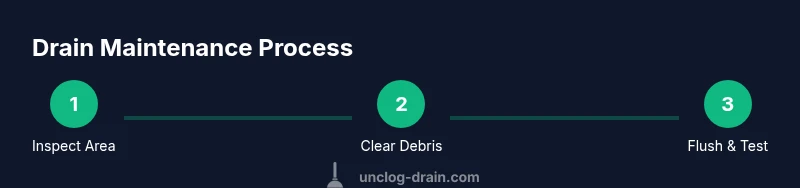
- Clear the area and identify the problem drain; 2) Shut off water supply to the affected fixture if needed to avoid overflow; 3) Attempt a safe plunge to reestablish flow; 4) Use a hand auger to reach the clog beyond the trap; 5) Flush with hot water and a gentle cleaner to remove residue; 6) Reassemble and test, then document maintenance tasks for future seasons. Each action targets a common summer clog source and reduces the chance of backups during heat waves.
Quick tips to keep drains flowing in hot weather
Keep drains flowing by implementing a simple monthly routine: purge kitchen grease properly, install hair catchers in showers, and monitor outdoor drainage for clogs caused by lawn debris. Use dry rags around the sink to catch stray hair during cleaning, and keep a small tub or bucket handy to collect overflow when testing. Re-check P-traps to ensure they’re full of water to block sewer gas, especially if a fixture was unused for several days.
Common mistakes that trigger summer clogs
Avoid chemical overuse, which can damage pipes and lead to more expensive problems. Don’t ignore small leaks around fixtures or vents, as leaking water can accelerate mineral buildup and grease accumulation. Skipping vent checks can create negative pressure and slow drainage. Finally, ignoring obvious signs of backups—gurgling sounds, slow drains, or frequent clogs—will waste time and money. Address issues promptly with a methodical approach.
Tools & Materials
- Plunger (cup-style)(Flat rubber cup, wide opening for sinks/toilets)
- Hand auger / plumber’s snake(At least 3-6 ft, flexible shaft)
- Bucket(To catch water and debris)
- Rubber gloves(Protect hands from germs and grime)
- Flashlight(Better visibility under sinks)
- Vinegar and baking soda(Safe, non-corrosive cleaners for mild buildup)
- Old towels or rags(Cleanup and containment)
- Wrench or pliers(For trap removal if needed)
- Dish soap(Assist in loosening grime during flush)
Steps
Estimated time: 60-90 minutes
- 1
Assess and prepare the area
Identify the affected drain and clear the surrounding area. Place towels, a bucket, and protective gloves. This reduces mess and makes the subsequent steps safer and more efficient.
Tip: Take a quick photo of the trap configuration before disassembly for reference. - 2
Shut off water and protect the area
If the fixture might overflow, shut off the water supply to that branch or fixture. Keep a mop handy and wear eye protection when working near pipes.
Tip: If you’re unsure which valve controls the flow, shut off the main water supply temporarily. - 3
Plunge with proper seal
Position the plunger to cover the drain opening completely and apply firm, controlled thrusts to create suction. Do not force rapidly; repeated cycles clear minor blockages.
Tip: Use a damp cloth over overflow openings to improve suction. - 4
Use a hand auger for deeper reach
Insert the snake into the drain and rotate while pushing gently to engage the clog. When you feel resistance, loosen and pull back to bring debris out.
Tip: Avoid twisting aggressively to prevent pipe damage. - 5
Flush with hot water and a mild cleaner
Run hot (not boiling) water through the line to wash away loosened material. Add a small amount of dish soap if needed to help lubricate the line.
Tip: Never mix chemical cleaners with hot water or other cleaners. - 6
Test the drain and monitor
Run water to confirm the blockage is gone. If flow returns slowly, repeat the auger cleanout or move to the P-trap area. Reassemble, then observe for signs of leaks.
Tip: Keep a log of what you did for future reference.
Common Questions
What should I do first when my drain is slow before summer?
Start with a simple inspection to identify the blockage source. Try a safe plunger and hand auger before moving to more invasive measures. If water backs up after two attempts, consider calling a professional.
Start by inspecting the drain and trying a plunger and auger. If it doesn’t clear after a couple of tries, call a professional.
Are chemical cleaners safe for my pipes?
Most household chemical cleaners can damage pipes or septic systems if used repeatedly. Mechanical methods are safer for regular maintenance. If you must use chemicals, choose enzymatic or product-specific options and follow label directions.
Chemical cleaners can be rough on pipes, so mechanical methods are usually safer for maintenance. If you use chemicals, read the label carefully.
When should I call a plumber instead of DIY?
If the clog recurs frequently, involves multiple fixtures, or you notice foul odors, leaks, or sewage backup, stop DIY attempts and call a licensed plumber. Structural issues or vent problems require professional assessment.
Call a plumber if clogs keep coming back or you notice leaks or sewage smells.
Can hot weather cause clogs in the sewer line?
Heat can accelerate organic buildup and degrade grease traps, increasing clog risk. Regular summer maintenance reduces the chance of major backups during heat waves.
Yes, heat can worsen clogs, so stay proactive with maintenance.
What are signs a VENT or main line issue?
Slow draining, gurgling sounds, or water backing up in unexpected fixtures can indicate venting or main line issues. If these signs appear, professional evaluation is advised.
Gurgling noises or backups across fixtures can signal vent or main line problems.
Watch Video
Key Points
- Proactively prep drains before summer heat.
- Prefer mechanical methods over chemical cleaners for safety.
- Document maintenance for easier future interventions.
- Know when to call a professional to avoid damage.