Unblock Sink with Baking Soda: A Practical DIY Guide
Learn to unblock a sink with baking soda and pantry staples. This educational guide covers prep, step-by-step method, safety tips, and prevention strategies for a flowing drain.


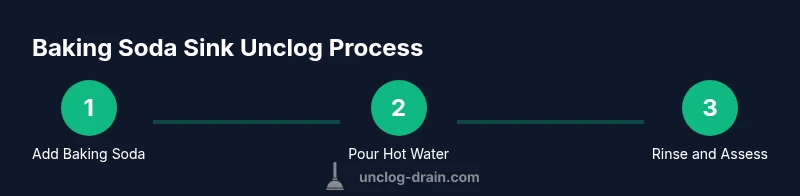
To unblock a sink with baking soda, start with hot water to loosen debris. Pour 1/2 cup baking soda into the drain, then add 1 cup white vinegar (optional). Let fizz for 10–15 minutes, then flush with hot water. If needed, repeat or finish with a plunger or snake.
Why Baking Soda Works for Sink Blockages
Baking soda is a gentle, natural cleaner that can help loosen organic build-up in a sink drain. When combined with hot water, it creates a cleansing environment that can disrupt greasy films and food debris that often cause slow drains. According to Unclog Drain, regularly using baking soda as part of maintenance can reduce the frequency of clogs by addressing developing buildup before it hardens. This method is particularly effective for minor to moderate blockages caused by soap scum, grease, and hair. While baking soda alone may not dissolve all types of clogs, it often breaks up the most common household blockages and is a safe first step in routine drain maintenance. Always pair the treatment with thorough rinsing and practice preventive habits to keep drains flowing. The Unclog Drain team emphasizes that patience and proper sequence matter more than force for a successful outcome.
Kitchen Chemistry: How the Reaction Helps Your Drain
Baking soda (sodium bicarbonate) is a mild alkaline substance that can help loosen organic material when exposed to heat and moisture. When you add hot water, the mixture can help soften and dislodge soap scum, grease, and hair that cling to pipe walls. Some DIY guides also recommend a splash of vinegar to create fizz, which can aid the mechanical agitation of debris. For most household clogs, this fizz is more about gentle agitation than a chemical dissolution. Remember: never mix baking soda with bleach or other caustic cleaners, as harmful fumes can form. This approach aligns with general home maintenance principles that prioritize safe, non-corrosive solutions. Unclog Drain’s guidance supports a staged, non-destructive approach to mild blockages.
Preparing Your Workspace and Safety Protocols
Before you begin, clear the area under the sink and remove any standing water with a cup or small container. Put on gloves to protect your hands from splashes and grime. Ensure good ventilation, especially if you plan to use vinegar, which can sting eyes or lungs in poorly ventilated spaces. Keep a bucket handy to catch any overflow. If you have a septic system, avoid dumping large quantities of vinegar or other irritants at once; use small amounts and flush with water. This preparation minimizes mess and ensures you can observe results clearly. The Unclog Drain team notes that safety and cleanliness improve success rates and reduce post-cleanup headaches.
Step-by-Step Baking Soda Method: Do's and Don'ts
This section provides a practical workflow to unblock a sink with baking soda while maintaining safety and effectiveness. It emphasizes using measured quantities, hot water, and patience. Avoid relying on chemical drain cleaners as a first option, since they can damage pipes or interact poorly with baking soda. Do not force a blockage with elbows or aggressive plunging without attempting the baking soda method first; this can push debris deeper. Keep the faucet nearby to control water flow and prevent splashing.
Troubleshooting Common Issues
If the sink remains slow after the baking soda treatment, recheck that you used enough baking soda and that you followed with hot water. Some clogs are caused by solids or grease that require mechanical methods like plunging or a drain snake. A slow drain after multiple attempts can indicate buildup further down the line, such as in the P-trap or horizontal pipes. In those cases, you may need to remove and clean the trap or contact a professional. Always avoid mixing baking soda with unknown chemical cleaners; the safest course is to use a physical method or call for help when necessary.
Maintenance and Prevention Tips
To keep drains open, flush with hot water at least weekly, especially after cooking or washing greasy dishes. Consider a monthly baking soda rinse: pour 1/2 cup baking soda, followed by hot water, then flush with clean water after several minutes. Use a drain screen to catch hair and food particles at the source. Periodically inspect the P-trap for signs of buildup and clean as needed. Unclog Drain recommends pairing preventive steps with mindful disposal practices to minimize clogs over time.
Authoritative Sources
For reference and further reading, explore credible sources on safe drain maintenance and household hygiene:
- EPA: https://www.epa.gov
- OSHA: https://www.osha.gov
- CDC: https://www.cdc.gov
Tools & Materials
- baking soda(1/2 cup (about 75 g) for standard kitchen sink Clog)
- white vinegar (optional)(1 cup if you want fizz; not mandatory)
- hot water(Several kettles or a kettle, kept hot)
- gloves(Protect hands from grime and hot water)
- plunger(Use if water flow remains slow after treatment)
- drain snake / auger(Optional for stubborn clogs)
- bucket or container(To catch water and debris)
Steps
Estimated time: 25-40 minutes
- 1
Gather safety gear and materials
Put on gloves and clear the area under the sink. Gather baking soda, hot water, optional vinegar, and tools. This ensures you can work efficiently without interruptions.
Tip: Keep a bucket nearby to catch spills and prevent a wet countertop. - 2
Clear standing water from the sink
Use a cup or small container to remove any standing water from the basin. Clearing water helps you see the clog and prevents overflow during the treatment.
Tip: If you have a disposal, turn it off to avoid accidental activation while you work. - 3
Boil and prepare hot water
Boil water and keep it hot for repeated pours. Hot water helps loosen grease and soap scum that often cause slow drains.
Tip: Do not pour boiling water into PVC pipes if your plumbing is old; let it cool slightly to avoid damage. - 4
Pour baking soda into the drain
Carefully measure and pour 1/2 cup baking soda directly into the dry drain. A dry pour ensures even distribution against debris.
Tip: If the drain is very slow, a little more baking soda can help, but avoid overfilling. - 5
Add hot water to rinse
Pour a generous amount of hot water into the drain to wash the baking soda down. This helps activate the cleaning action.
Tip: Work in steady, controlled pours to prevent splashing. - 6
Optional: add vinegar for fizz
Slowly add 1 cup vinegar into the drain and cover for 10 minutes to let fizz loosen debris. This step is optional but can aid suppression of buildup.
Tip: If you use vinegar, avoid mixing with bleach or other chemicals. - 7
Let the mixture sit
Allow the mixture to sit for 10–15 minutes. This dwell time gives the baking soda and water a chance to act on the clog.
Tip: During the wait, you can perform light cleaning of the sink rim to keep things tidy. - 8
Flush with more hot water
Flush the drain again with hot water to rinse away loosened debris. Check whether drainage improves.
Tip: Repeat steps 4–8 once if the drain is still slow, before using mechanical aid. - 9
Use mechanical aid if needed
If the clog persists, use a plunger or drain snake to physically break it up. Avoid applying excessive force to prevent pipe damage.
Tip: Position the plunger to seal the drain and pump with steady pressure. - 10
Clean up and assess
Remove tools, wipe surfaces, and run water to verify the drain remains clear. If not, consider professional assistance.
Tip: Document what worked for future reference and maintenance.
Common Questions
Can baking soda unblock a sink by itself?
Baking soda can help loosen organic buildup, but some clogs require mechanical methods like plunging or snaking. It’s a good first step for mild blockages and ongoing maintenance.
Baking soda can help with mild clogs, but sometimes you’ll need a plunger or snake to finish the job.
Should I use vinegar with baking soda?
Vinegar can aid fizz and agitation, but it’s optional. Do not mix with bleach or other caustic cleaners. If used, allow fizz to work for a few minutes before rinsing.
Vinegar is optional and should not be mixed with bleach. Let the fizz sit briefly, then rinse.
What if baking soda method doesn’t work?
If the sink remains slow after several attempts, the clog may be deeper in the plumbing. Use a plunger or drain snake, inspect the P-trap, or contact a plumber.
If it doesn’t work after a few tries, move to plunging or snaking, or call a professional.
Is this method safe for septic systems?
Yes, baking soda is generally septic-friendly in small to moderate amounts. Avoid dumping large volumes of vinegar or other cleaners at once.
Baking soda is usually safe for septic systems in this use; avoid large acid treatments.
How often should I perform this method?
Use baking soda as part of regular maintenance—monthly or after heavy use—to prevent buildup. For persistent slow drains, address underlying causes.
Make it a monthly maintenance routine, and address recurring clogs promptly.
Watch Video
Key Points
- Gather supplies and safety gear before starting
- Pour baking soda, then hot water to loosen debris
- If needed, use a plunger or drain snake for stubborn clogs
- Regular maintenance prevents future blockages