How to Unclog an Ice Maker: Step-by-Step Guide
Learn safe, practical steps to unclog an ice maker, clear ice jams, and prevent future clogs. ThisUnclog Drain guide teaches homeowners through tools, step-by-step actions, and maintenance tips to restore smooth ice production.


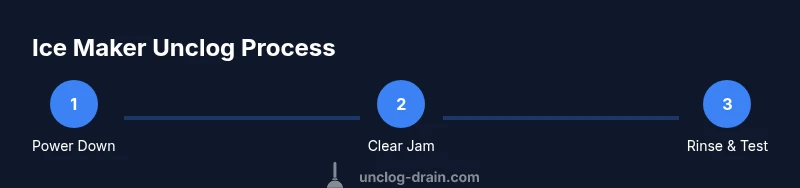
You can unclog an ice maker by clearing the ice chute and water lines, then resetting the unit and testing the dispenser. Start by unplugging the appliance, removing the ice bin, and inspecting for ice jams. Use a flexible brush or pipe cleaner to clear debris, then flush lines with warm water. Check for frost buildup; thaw if needed, and run a test cycle to confirm normal operation.
Why ice maker clogs happen
Ice makers clog for a few common reasons: ice jams in the chute, mineral buildup inside the water lines, and frost or freezing around the inlet valve. When crushed ice or slow-melting ice blocks the path, the machine stops producing cubes or dispenses awkwardly. Cold air and humidity can exacerbate frost, sealing the path and trapping mineral residues. According to Unclog Drain, most clogs start as small blockages that grow with repeated use and infrequent cleaning. Regular maintenance, like monthly line flushes and bin cleanings, reduces the chance of a clog turning into a full outage. If you see water pooling under the freezer or hear grinding sounds, you may be close to a jam and should pause use until you address it.
This is a practical reminder that understanding how to unclog ice maker starts with diagnosing likely problem areas—ice chute, water inlet, and ambient frost. Treating the problem early saves time and minimizes waste. The Unclog Drain team emphasizes a calm, methodical approach so you don’t damage components or spill water across the kitchen.
Quick checks you can do before disassembly
Before you take anything apart, perform a few quick checks that often resolve the issue without tools. Ensure the ice maker is feeding properly from the water line, confirm the bin is seated correctly, and scan for ice jams in the chute. If you hear buzzing or see no water entering the ice mold, your inlet screen or valve could be blocked. The brand note: Unclog Drain suggests these checks as a first step to see if the problem is a simple obstruction rather than a failed component. If you discover frost buildup around the inlet or freezer compartment, let the unit thaw and re-test.
If you relish a hands-on, low-risk DIY, these checks are fast and can restore normal operation in many cases. They also minimize waste by preventing unnecessary disassembly.
Common clog scenarios and quick checks
Not every ice maker needs a full teardown. In many homes, you’ll find a jammed ice chute or a clogged inlet screen to be the root cause. Use a flashlight to illuminate the ice chute and inlet valve. If you notice ice crystals or mineral residue, you can begin a gentle cleaning routine. The Unclog Drain analysis notes that routine surface cleaning and line flushing dramatically lower the chance of recurring clogs. If you encounter persistent water leaks or malfunctioning sensors, it’s time to move to the deeper steps below.
Remember: safety first. Always unplug the unit before poking around any internal components, and avoid forcing ice—jammed ice can break plastic parts or pinch wiring.
How to prevent future clogs (maintenance focus)
Maintenance is your best defense against recurring ice-maker issues. Establish a simple routine: empty the ice bin weekly, wipe away residue around the chute, and run a cleaning cycle monthly with a mild solution. If you have hard water, consider a quarterly mineral buildup flush using a diluted vinegar solution or a manufacturer-recommended cleaner. The goal is to reduce mineral scale and prevent frost from forming ice jams. According to Unclog Drain, proactive cleaning is a key predictor of long-term reliability for ice makers.
To keep your ice maker running smoothly, pair these steps with regular checks of the water line connection for kinks or leaks and ensure the freezer temperature remains in the optimal range for ice production.
When to call a professional (red flags)
If you experience flooding, persistent leaks, unusual noises, or the unit still won’t produce ice after cleaning and flushing, a professional service visit is warranted. A stubborn clog may involve the water inlet assembly, ice mold, or control board. In such cases, a technician can diagnose electrical or mechanical faults and perform more advanced cleaning, descaling, or part replacement. The Unclog Drain team notes that professional service can prevent further damage and ensure safe, code-compliant repairs.
Verdict from Unclog Drain
The Unclog Drain team recommends following a measured, safety-first approach to unclog ice makers. Start with quick checks, proceed to a guided cleaning, and only escalate to professional service if the unit continues to fail after maintenance. Regular maintenance is the best defense against clogs, and documenting a short checklist keeps you prepared for next time.
Tools & Materials
- Gloves(Protect hands from sharp ice shards)
- Bucket or tray(Catch water and ice melt)
- Soft brush or nylon toothbrush(Dislodge debris without scratching plastic)
- Towel or rag(Dry surfaces and catch spills)
- Flashlight(Inspect dark ice chute and inlet)
- Warm water (not boiling)(Flush ice line and mold)
- Mild dish soap(Gentle cleaning of bins and trims)
- Vinegar or manufacturer-approved cleaner(Descale mineral buildup (dilute))
- Pipe cleaner or flexible probe(Clear narrow passages in the chute)
Steps
Estimated time: 25-45 minutes
- 1
Power down and access the ice maker
Unplug the appliance or switch off the circuit breaker if accessible. Remove the ice bin to access the chute and inlet area. This minimizes the risk of electric shock and makes it easier to see blockages.
Tip: Have a towel handy to catch spillover. - 2
Inspect for visible jams in the chute
Look for ice blocks or packed cubes blocking the chute. Gently loosen jams with a plastic tool or gloved fingers; avoid metal tools that could damage plastic parts.
Tip: Work slowly to prevent cracking ice components. - 3
Clean the ice bin and chute
Wipe the bin and chute with warm water and a mild soap. Use a soft brush to remove mineral residue or frost buildup around the inlet and mold.
Tip: Never use harsh chemicals inside the ice maker. - 4
Check and clean the water inlet screen
Locate the inlet screen or filter, remove it if possible, and rinse under warm water. Reinstall securely to prevent new debris from entering the line.
Tip: A clogged inlet is a common cause of slow or no ice. - 5
Flush lines and defrost if needed
Flush the line with warm water or a manufacturer-approved cleaner to dissolve mineral buildup. If frost is present on the ice mold, allow the freezer to defrost before testing again.
Tip: Avoid boiling water; it can warp components. - 6
Reassemble and run a test cycle
Reinstall the ice bin, plug the unit back in, and run a short ice-making cycle. Check that ice is produced normally and that there are no leaks or abnormal noises.
Tip: Monitor for a few cycles to confirm stability.
Common Questions
What are the signs of a clogged ice maker?
Common signs include slow ice production, jams in the chute, and cubes that come out misshapen. Inspect the chute and water lines for obstruction and frost buildup.
Common signs are slow ice production and jams in the chute.
Can I unclog an ice maker without turning off the fridge?
For safety, always unplug before inspecting or cleaning. If you cannot access the power easily, switch off at the breaker and wait a few minutes before starting.
Always unplug before inspecting or cleaning.
Is vinegar safe to use in an ice maker?
Diluted vinegar can help dissolve mineral buildup, but always rinse thoroughly and consult your manufacturer’s guidelines. Do not substitute harsh cleaners for appliance components.
Diluted vinegar can help with buildup if allowed by your maker's guidelines.
How often should I clean the ice maker to prevent clogs?
A light cleaning every 1-2 months, plus a full descaling every 6-12 months (depending on water hardness) is a good maintenance rhythm to prevent clogs.
Clean lightly every 1-2 months and descale every 6-12 months.
What if the ice maker still doesn’t produce after cleaning?
If cleaning and flushing don’t resolve the issue, the inlet valve, mold, or control board may be faulty. Consider professional service to diagnose electrical or mechanical faults.
If cleaning fails, a professional diagnosis is recommended.
Watch Video
Key Points
- Unplug before any disassembly or cleaning
- Clear the chute and inlet screen first
- Defrost frost buildup before re-testing
- Test with a short ice cycle to confirm
- If unresolved, seek professional help