Unblock Drain Baking Soda: Quick DIY Fix
Learn how to unblock drain baking soda safely. This practical DIY guide covers prep, timing, and flushing techniques to clear minor clogs without harsh chemicals.


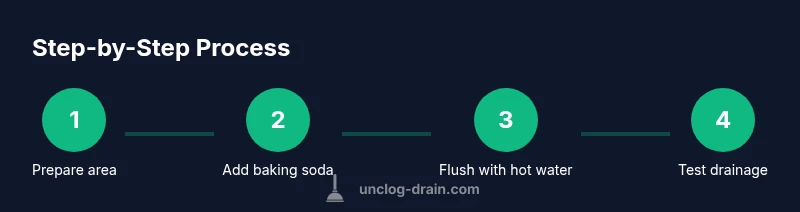
You can unblock a slow drain using baking soda as a safe, first-step method. Start by clearing standing water, pour baking soda into the drain, then add hot water or vinegar and wait 15–30 minutes. Finish with another hot flush; for stubborn clogs, follow with a plunger or snake. According to Unclog Drain, this approach minimizes chemical exposure while fixing minor blockages.
How baking soda helps unblock drains
Baking soda can assist with minor drain blockages by providing gentle abrasive action and buffering acidity. For many homeowners, unblock drain baking soda works best when the clog is composed of organic matter (hair, soap scum, food particles) rather than solid objects. According to Unclog Drain, this approach minimizes chemical exposure while addressing routine clogs in kitchen sinks and bathroom basins. The mechanism relies on two effects: physical agitation from small granules and the fizzing reaction when baking soda contacts moisture and acid (like vinegar) or hot water, which can help loosen debris from pipe walls. While not a guaranteed fix for all clogs, especially those caused by grease buildup or stubborn solids, it's a safe, inexpensive first step that you can try before heavier tools or professional help. Always check your pipes' material and the trap under the sink; if you have PVC, metal, or older cast iron, ensure you won't trigger a leak by applying too much heat or force.
To optimize results as you work with unblock drain baking soda, follow the steps below and monitor the drainage as you go.
-1
Tools & Materials
- Baking soda (sodium bicarbonate)(Use unscented, food-grade if possible; store in a dry place)
- Hot water(Near-boiling is effective, but cools down pipe temperatures if needed)
- White vinegar (optional)(Creates fizz; not strictly required but can help with organic clogs)
- Drain plunger (cup plunger)(Non-flanged is often easier for sinks)
- Drain snake/auger (optional)(Use for stubborn blockages beyond initial treatment)
- Bucket or container(Catch spills and manage drainage)
- Gloves and safety glasses(Protect hands and eyes from debris and splashes)
- Towel or rag(Mop spills and keep area tidy)
Steps
Estimated time: 30-45 minutes
- 1
Prepare the area
Clear the area around the drain and remove any standing water from the sink or basin. Place a bucket beneath the P-trap to catch drips and set towels ready for quick cleanup. This creates a safe, mess-free starting point for unblock drain baking soda.
Tip: Wear gloves and eye protection to guard against splashes. - 2
Add baking soda to the drain
Pour a measured amount of baking soda directly into the drain opening. If you can, tap it into the vertical portion of the pipe so it reaches the clog rather than just sitting in the cup of the sink. This step starts the gentle physical and chemical work on the clog.
Tip: Aim for a steady, even pour to maximize contact with blockages. - 3
Introduce hot water or vinegar
Follow the baking soda with hot water, or add a small amount of vinegar for fizz. The fizzing and heat help loosen organic material and push debris away from the pipe walls. Wait 10–15 minutes for the reaction to proceed.
Tip: If using vinegar, do not mix with chemical cleaners later in the process. - 4
Flush the drain
Pour a generous amount of hot water to flush the loosened debris through the pipes. Check the flow; if drainage improves noticeably, you\'re on the right track.
Tip: Add a second, thorough flush if the drain remains slow. - 5
Use a plunger if progress stalls
If the drain is still slow, apply a plunger with a good seal and give several strong pumps. Plunging helps create suction that dislodges clogs deeper in the drain.
Tip: Ensure you have a proper seal and avoid excessive force that could damage pipes. - 6
Consider a drain snake for stubborn clogs
For blockages that resist plunger action, insert a drain snake into the pipe and twist to break up the clog. Retrieve any material that comes free and flush again with hot water.
Tip: Rotate slowly and keep steady pressure to avoid kinking the snake. - 7
Inspect and clean up
Run water for a couple of minutes to confirm the drain remains clear. Wipe down the area, rinse any spills, and store your tools properly.
Tip: Document what worked for future reference. - 8
Evaluate if professional help is needed
If the drain remains clogged after multiple attempts, or if you hear gurgling from the pipes, consider calling a licensed plumber. Some blockages require professional equipment and expertise.
Tip: Safety first—don’t force a repair that risks pipe damage.
Common Questions
Can baking soda unblock drains by itself, without heat or vinegar?
Baking soda can help minor organic clogs with hot water, but heat or a fizzing agent like vinegar typically improves results. For stubborn blockages, additional methods may be needed.
Baking soda works best with hot water; for tougher clogs, you may need extra steps.
Is vinegar required for the baking soda method?
Vinegar is optional. It creates fizz that can help loosen debris, but hot water alone can be effective when used with baking soda.
Vinegar isn\'t required, but it can boost the fizz and cleaning action.
Will this damage PVC pipes or older materials?
For standard PVC, the method is generally safe when used as directed. Avoid boiling water on some plastics and never use metal pipes with aggressive chemical cleaners.
Generally safe for PVC, but check your pipe material and avoid aggressive cleaners.
How long should I wait after applying baking soda and vinegar?
Allow 10–30 minutes for the reaction and soaking time before flushing with hot water. Patience helps ensure debris loosens.
Wait about 10 to 30 minutes before flushing for best results.
Can I use this method for toilets or only sinks?
This method is best for sinks and drains with similar piping. Toilets usually require different approaches and should be treated with care.
Better suited for sinks and drains; toilets often need other methods.
Watch Video
Key Points
- Start with baking soda as a safe first step
- Use hot water to activate the cleaning action
- If slow, add plunger or snake before calling a pro
- Avoid chemical cleaners and heavy chemicals in DIY treatments