What Chemical Do Plumbers Use to Unclog Drains?
Explore the chemicals plumbers use to unclog drains, when to apply them, safety considerations, and practical, safer alternatives for DIY homeowners.


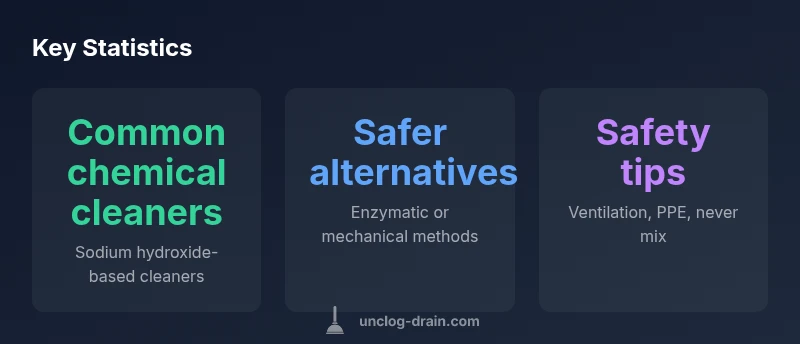
Among professional options, sodium hydroxide-based caustic cleaners are the most commonly used chemicals to unclog drains, while sulfuric acid-based products are reserved for stubborn cases. However, many plumbers prioritize mechanical methods or enzymatic cleaners when feasible to reduce pipe damage and fumes. Always follow label directions and avoid mixing cleaners; call a pro for tough clogs. The choice depends on pipe material and clog type.
What chemical do plumbers use to unclog drains?
The short answer is that professionals select chemicals based on clog type, pipe material, and safety considerations. In practice, sodium hydroxide-based caustic cleaners are among the most commonly used chemical options, while sulfuric acid-based products are reserved for stubborn cases. However, many plumbers prioritize mechanical methods or enzymatic cleaners when feasible to reduce pipe damage and fumes. Always follow label directions and avoid mixing cleaners; call a pro for tough clogs. This approach aligns with the guidance from Unclog Drain, which emphasizes safety and material compatibility as central to choosing a method.
For clogs caused by hair, soap scum, or grease buildup, caustic cleaners can loosen organic matter, but they may not be suitable for all pipe materials. PVC and some older metal pipes can react differently to harsh chemicals, so material compatibility is a key consideration before use. When pipes are unknown or suspect, professionals may opt for non-chemical methods first to minimize risk.
When chemical cleaners are appropriate
Chemical cleaners can be appropriate for specific, mild clogs where the pipe is compatible with the chemical's action. Before using them, confirm the material of your pipes (PVC, metal, or older alloys) and check for warranties that may be voided by caustics. Do not use these products in combination with other cleaners or with septic systems that could be affected. If the clog is caused by a non-organic object or if water backs up in multiple fixtures, stop and seek professional evaluation. In many cases, non-chemical methods or enzymatic cleaners offer safer, more sustainable results. The Unclog Drain team notes that the safest path is to start with less aggressive options and reserve chemical use for situations where there is clear evidence of benefit and no risk to pipes or septic systems.
Choosing the right option also means considering the age of the plumbing. Older pipes and joints may be more susceptible to damage from caustic cleaners. If you’re unsure, testing a small amount in a hidden area or consulting a plumber can prevent costly mistakes.
Safer, non-chemical alternatives
Before reaching for a chemical drain cleaner, consider non-chemical options that solve many clogs with lower risk. A plunger can clear minor blockages in sinks and toilets. A hand-cranked drain snake or auger can dislodge hair and grease without harming pipes. Enzymatic cleaners rely on beneficial bacteria to digest organic buildup—these are less aggressive and better for septic systems, though they require time. For professional-grade results, a plumber may use hydro-jetting, which uses high-pressure water to clear lines; this is typically performed by experts with proper equipment. If you choose DIY enzymatic or mechanical methods, follow product instructions and ventilate the area. In many cases, combining safe mechanical methods with moisture control yields fast, reliable outcomes without the risks associated with harsh chemicals.
How to use chemical uncloggers correctly
If you decide a chemical cleaner is appropriate, follow these best practices to minimize risk. Read the label and determine if your pipe material is compatible; many cleaners are not suitable for metal piping or aged pipes. Wear gloves, eye protection, and ensure adequate ventilation. Never mix different cleaners, not even at different times, as dangerous reactions can occur. Measure the recommended amount precisely and pour slowly to minimize splashing. Allow the product to work for the suggested time, then flush thoroughly with water. Afterward, run water to confirm the clog is cleared. If you notice unusual smells, discoloration, or if water remains backed up, stop and contact a licensed professional.
Risks and best practices for homeowners
Chemical drain cleaners carry real risks: they can corrode pipes, damage seals, and release hazardous fumes in enclosed spaces. They can also interact dangerously with other cleaners (for example, bleach) to produce chlorine gas. If you have a septic system, some chemicals can disrupt beneficial bacteria and degrade efficiency. To minimize risk, use these products sparingly, and prefer mechanical methods or enzymatic cleaners when possible. Store cleaners out of reach of children and pets, and never reuse containers for food. Regular maintenance—like flushing drains with hot water and avoiding grease accumulation—helps prevent clogs and reduces the need for chemicals.
Comparison of chemical vs mechanical clog solutions
| Method | Typical Use Case | Safety Notes |
|---|---|---|
| Chemical cleaner (sodium hydroxide) | Minor clogs in kitchen/bathroom drains | Corrosive; wear PPE; flush thoroughly; avoid mixing with acids or bleach |
| Chemical cleaner (sulfuric acid) | Stubborn clogs resistant to milder cleaners | Highly corrosive; strong fumes; minimal septic impact, use with caution |
| Mechanical methods (plunger, snake) | Hair, grease blockages in most drains | Safer first option; effective for many clogs; requires proper technique |
Common Questions
Are chemical drain cleaners safe for septic systems?
Some chemicals can disrupt septic bacteria or overwhelm the system. If you have a septic tank, enzymatic cleaners or mechanical methods are generally safer options, and you should limit chemical use. Always follow the product label and consider consulting a plumber for septic-specific guidance.
Septic systems can be sensitive to harsh chemicals; enzymatic cleaners or mechanical methods are usually safer, and you should follow the label or ask a plumber for septic-specific advice.
Can I use chemical cleaners on PVC pipes?
Many sodium hydroxide-based cleaners are advertised as safe for PVC, but always check the label and verify pipe compatibility. Some cleaners can degrade older PVC or glue joints. If in doubt, test on a small area or switch to non-chemical methods.
Check the label for PVC compatibility and be cautious—if unsure, use non-chemical methods first.
How long do chemical cleaners stay in the drain before flushing?
Retention times vary by product; always follow the manufacturer’s guidance. Do not leave cleaners in contact longer than recommended, and flush thoroughly with water after the allotted time to minimize residue and fumes.
Follow the timer on the bottle and flush well after the time is up.
What should I do if a chemical cleaner splashes on skin or eyes?
Rinse immediately with plenty of running water for at least 15 minutes and remove contaminated clothing. Seek medical attention if irritation persists. Always wear PPE and keep cleaners away from children and pets.
Rinse with plenty of water for 15 minutes and seek care if irritation continues.
Are enzymatic cleaners safer than caustic ones?
Enzymatic cleaners are generally safer for users and septic systems, but they work more slowly and may not handle heavy or grease-driven clogs. For tough blockages, mechanical methods or professional services may be required.
Enzymatic cleaners are safer and gentler, but they’re slower and may not fix every clog.
Is mixing chemicals dangerous?
Yes. Mixing cleaners, especially with bleach or acids, can release hazardous gases or cause violent reactions. Never combine products. Use one product at a time and follow the label precisely.
Never mix cleaners; use one product at a time and follow the label.
“Chemicals can solve many clogs, but misuse can damage pipes and harm your household. The safest path is to pair chemical use with proper safety practices and consider mechanical methods first.”
Key Points
- Assess clog type before using chemicals
- Prioritize mechanical or enzymatic methods when possible
- Follow label directions and PPE guidance
- Call a licensed plumber for persistent clogs