How to Unclog Razor Drains: Safe DIY Guide
Learn safe, chemical-free methods to unclog razor-related bathroom drains. This guide covers tools, safety, and step-by-step techniques for sinks, showers, and tubs, plus prevention tips from Unclog Drain.


You can unclog razor-related bathroom drains using safe, mechanical methods that protect pipes. Start with safety and tools, identify the blockage, and choose a hands-on approach such as a plunger, drain snake, or wet/dry vac. Avoid harsh chemicals. This guide provides the safest, most effective steps to restore flow.
Introduction to razor drain unclogging
Unclog razor drains is a practical task for homeowners who want a fast, inexpensive fix without risking damage from harsh chemicals. This guide focuses on bathroom drains where shaving residue, hair, and small metal fragments from razors collect over time. According to Unclog Drain, the combination of hair and soap scum often traps razor debris near the drain opening, creating a stubborn blockage. The aim is to restore flow safely by using mechanical methods and targeted flushing, while preserving seals and pipes. This article will walk you through the safest tools, the exact steps, and the maintenance habits that prevent future clogs. Expect actionable tips, clear safety guidelines, and practical troubleshooting that you can do in under an hour.
Causes and signs of razor-related clogs
Razor-related blockages typically form where hair, soap scum, and razor fragments accumulate at the drain trap or strainer. Look for slow draining, gurgling sounds, or water backing up into the tub, sink, or shower. Small items like razor blades or packaging can become lodged if the drain sees heavy use without regular maintenance. Identifying the site of the clog—whether in the drain opening, the trap, or the vertical pipe—helps you choose the most effective tool and minimize the risk of pipe damage.
Safety first: hazards, PPE, and planning
Before you reach for tools, commit to basic safety. Wear durable gloves, eye protection, and use a flashlight to inspect the drain clearly. Keep a bucket and towels handy to catch spills. Avoid forcing the blockage with brute force, which can dislodge debris and push it further down the line. Never mix household cleaners with mechanical cleaning methods; chemical cleaners can react unpredictably with metal fragments and produce fumes. Plan the task, work in stages, and stop if you encounter resistance you cannot safely overcome with your chosen method.
Tools and materials you’ll need (essential list)
Having the right tools on hand makes the job faster and safer. You’ll want: a hand plunger or cup plunger; a drain snake or auger; a pair of locking pliers; a small bucket; rags or paper towels; a flashlight; and, if available, a wet/dry vacuum. Optional items include a disposable glove set, a bendable grabber, and a plier-based hook for retrieving visible debris. Using the correct tools reduces the risk of damaging the drain and helps you extract razor fragments cleanly.
Step-by-step overview of approaches (high-level)
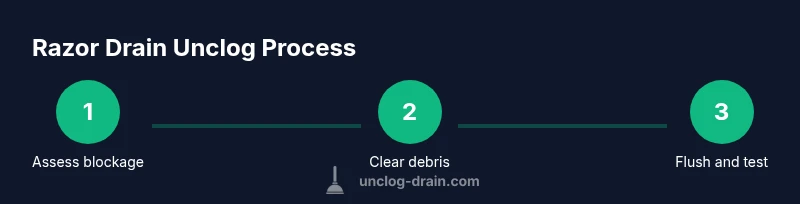
There isn’t a one-size-fits-all solution for razor clogs. Start with the simplest mechanical approach and escalate only if necessary. First, dislodge loose debris with a plunger. If that fails, use a drain snake to break up compacted material. As a backup, you can try a wet/dry vacuum to extract debris near the opening. Finish with a controlled hot water flush and a quick inspection. The key is to work methodically and avoid pushing debris deeper into the plumbing.
Method 1: Mechanical clearance with a drain snake or auger
A drain snake can reach beyond the trap and break apart hair and razor fragments. Insert the snake into the drain, rotate slowly to catch debris, and pull back to remove. If the snake becomes lodged, gently twist and retract without forcing it. Clear the trap area if accessible and continue until the water runs freely.
Method 2: Plunger techniques for razor-related clogs
A plunger can create enough suction to dislodge hair and razor fragments near the opening. Use a cup plunger for sinks or a flange plunger for tubs/showers. Ensure a good seal, push and pull with steady pressure, and repeat 6–12 cycles. If water remains, move to the snake method before repeating plunging.
Method 3: Wet/dry vac and controlled flushes
A wet/dry vac can pull out localized debris around the drain opening. Set it to liquid mode, place the nozzle over the drain, and create a tight seal. If you retrieve material, bag it for disposal. Follow with hot water flushes (not boiling) to wash away residual soap scum and razor fragments.
Preventing razor clogs: maintenance tips
To reduce future incidents, use a drain strainer and clean it weekly to catch razor remnants and hair. Run hot water after shaving and after showering, especially if you use thick soaps. Periodically flush drains with a mixture of baking soda and hot water to keep the line clear and discourage buildup. Regular maintenance is your best defense against future razor-related clogs.
When to call a professional
If you’ve tried multiple mechanical methods and the drain still drains slowly or backs up, professional help may be needed. A licensed plumber can inspect the trap, clean the horizontal run, and determine whether the clog is beyond a typical household method. Don’t hesitate to seek expert help if you notice sewage odors, leaks, or recurring blockages.
Tools & Materials
- Drain snake / auger(3 ft minimum, bendable if possible)
- Cup plunger or flange plunger(Choose based on drain type)
- Locking pliers(Needle-nose or locking type)
- Small bucket(To collect debris and water)
- Rags or paper towels(For cleanup)
- flashlight(Bright handheld light)
- Wet/dry vacuum (optional)(For pulling out debris near opening)
- Gloves(Rubber or latex, grip-friendly)
Steps
Estimated time: 30-45 minutes
- 1
Prepare the area and safety
Put on gloves and eye protection. Clear the area, place a bucket beneath the drain, and ensure you have good lighting. Inspect the drain opening for visible razor pieces or hair.
Tip: Double-check seal around the drain to prevent splashes. - 2
Clear visible debris manually
If you can see debris near the opening, remove it with gloved fingers or pliers. Dispose of it in a trash bag, not the sink.
Tip: Be gentle to avoid pushing debris deeper. - 3
Try the plunger technique
Seal the drain and give 6–12 strong, steady pumps. Check if water starts to drain faster or clears.
Tip: If air is escaping, reseal before continuing. - 4
Use the drain snake
Insert the snake and rotate slowly as you push. When you feel resistance, pull back and remove debris.
Tip: Avoid forcing the snake; let it do the work. - 5
Wet/dry vac as a backup
If accessible, place the vac nozzle over the drain to suction loose debris.
Tip: Ensure the vac is set for liquids. - 6
Flush with hot water
Run hot water for 2–3 minutes to wash away remaining residue.
Tip: Avoid boiling water if you have PVC pipes. - 7
Inspect the trap and clean
If the trap is accessible, remove and clean it of debris; reinstall securely.
Tip: Check for cracks or leaks when reassembling. - 8
Final check and cleanup
Run the faucet or shower to test flow. Wipe down the area and store tools.
Tip: Document what worked for future reference. - 9
Prevent recurrence
Install a drain strainer and schedule regular upkeep to prevent razor-related clogs.
Tip: Set a monthly reminder for maintenance.
Common Questions
What is the safest method to unclog a razor in a bathroom drain?
Start with a plunger, then use a drain snake if needed. Avoid chemical cleaners that can damage seals. If water still backs up, try a wet/dry vac approach before calling a pro.
Begin with a plunger, then a drain snake if necessary. Avoid chemicals and consider a vacuum if accessible.
Can chemical drain cleaners damage razor blades or pipes?
Yes. Chemical cleaners can corrode metal fragments and damage seals or PVC. They’re not recommended for razor-related clogs.
Chemicals can damage pipes and razors; mechanical methods are safer.
Should I remove the P-trap to clear a razor clog?
In some cases the trap collects debris; safely unscrew and clean it, then reassemble. If you’re unsure, consult a professional.
If you’re comfortable, remove and clean the trap; otherwise seek expert help.
What is a drain snake and how do I use it for razor clogs?
A drain snake is a flexible tool that dislodges hair and metal fragments. Insert, rotate, and pull back debris with steady tension.
A drain snake helps break up and pull out debris; rotate gently as you push and pull.
When should I call a plumber for razor-related clogs?
If multiple methods fail, or if you notice persistent backups, odors, or leaks, a plumber can diagnose deeper blockages.
Call a plumber if home methods don’t clear the clog or you detect leaks.
Watch Video
Key Points
- Assess blockage safely before prying.
- Use mechanical methods first to avoid pipe damage.
- Install strainers and maintain drains regularly.
- Escalate to a professional if the clog persists.