How to unclog lungs: A practical, safe breathing guide
Learn safe, practical steps to support breathing and reduce chest congestion at home. This educational guide covers breathing techniques, hydration, posture, and warning signs that require medical care.


By following these steps, you can support clearer breathing and minimize chest congestion using safe, home friendly methods. This practical guide emphasizes non pharmacologic approaches and steady practice, not medical treatment. It provides breathing techniques, hydration tips, posture cues, and warning signs to watch for that require professional care.
What unclog lungs means
Unclogging lungs refers to practices that improve airflow and ease chest congestion, without relying on prescription medicines. For many people, blocked or tight lungs result from mucus buildup, inflammation, or poor posture that restricts ventilation. The goal is to restore steady airflow and comfort, rather than cure a disease. This section grounds the concept in practical terms and sets expectations: breathing support at home is about improving comfort and function, not replacing medical care when symptoms are severe. According to Unclog Drain, safe, gradual approaches combined with awareness of red flags can empower you to breathe more freely while keeping safety at the forefront. If you experience sudden chest pain, confusion, or fainting, seek urgent medical attention immediately.
Key idea: small, consistent steps over time can help maintain better airflow and reduce intermittently blocked sensations. Always tailor practices to your own body and avoid forcing breathing if you feel dizzy or lightheaded.
Anatomy of the lungs and airways
The lungs are a paired organ system responsible for oxygenating blood. Air travels down the trachea into branching bronchi, bronchioles, and finally reaches tiny air sacs called alveoli where gas exchange occurs. The lining of the airways produces mucus to trap irritants and microbes. In healthy lungs, cilia (tiny hairs) move mucus upward to be coughed out or swallowed. When mucus thickens, airways narrow, making breathing feel heavy or clogged. Hydration helps mucus loosen, while posture and breathing techniques can expand chest volume and improve mucus clearance. Understanding this anatomy helps you target practical steps rather than rely on guesswork.
Common triggers include environmental irritants, infections, and allergens. If you notice persistent coughing with mucus, wheezing, or shortness of breath that interferes with daily activities, consider speaking with a clinician for a targeted plan.
Common causes of breathing difficulty
Breathing difficulties arise from several factors. Mucus buildup due to colds, flu, or bronchitis can block air passages. Allergies or asthma can cause airway constriction, making breath feel heavy. Environmental irritants such as smoke, strong chemicals, or dry air can irritate the airways and worsen congestion. Dehydration thickens mucus, slowing clearance. Poor posture or prolonged sedentary behavior reduces chest expansion, contributing to a feeling of tightness. Chronic conditions like COPD or structural issues also play a role, which is why a healthcare evaluation is important if symptoms persist or worsen.
A practical approach combines gentle breathing practices with basic environmental adjustments to reduce irritants and support clearance. Always monitor severity and seek care when red flags appear.
Safe, non prescription strategies
Safe, non prescription strategies focus on gentle, daily habits that support natural clearance and airflow. Start with diaphragmatic breathing, which uses the belly to help lungs expand more fully. Pair this with slow, controlled inhalations and exhalations to avoid hyperventilation. Hydration is essential; water thins mucus and supports ciliary function. Humidity can also help; if your environment is dry, a humidifier or steam inhalation (carefully) can ease mucus movement. Maintaining a clean, allergen-reduced space decreases irritants. Finally, moderate physical activity can improve lung capacity over time, provided you listen to your body and avoid pushing into discomfort.
Note: Safety first. If you have existing heart or lung conditions, discuss home strategies with your clinician before starting them.
Breathing techniques explained
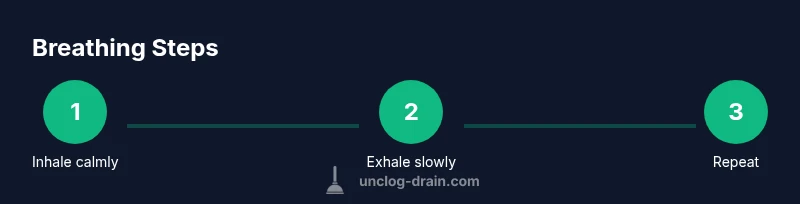
Two foundational techniques are diaphragmatic (belly) breathing and pursed-lip breathing. Diaphragmatic breathing focuses on expanding the abdomen during inhalation, which increases lung volume and reduces accessory muscle use. Pursed-lip breathing slows the exhale, helping to keep airways open longer and improve ventilation. Practice in a comfortable position with relaxed shoulders. Start with a 4-second inhale through the nose, a 6-second exhale through pursed lips, and repeat for several minutes. These techniques can be used during daily tasks or when you feel congestion.
Consistency matters; gradual progression yields better results over weeks rather than days.
Hydration and humidity’s role
Hydration supports mucus clearance by reducing mucus viscosity. Aim for steady fluid intake throughout the day, unless advised otherwise by a clinician. Humidity helps mucus move more easily through airways; if you live in a dry climate or use indoor heating, consider a humidifier or occasional steam inhalation with caution. Avoid overly hot steam or essential oils if you have sensitivities. Balanced hydration, combined with breathing exercises, can improve comfort and airflow without relying on medications. If you have kidney or heart concerns, adjust fluids according to medical guidance.
Environment and lifestyle adjustments
Create a breathing-friendly environment by minimizing smoke, strong odors, and pollutants. Keep the air clean with an air purifier if exposure is unavoidable, and ensure good ventilation in living spaces. Regular light activity, such as walking, can gradually increase lung capacity when tolerated. Proper sleep hygiene supports overall respiratory health, as restful sleep reduces daytime fatigue which can worsen perceived breathlessness. Pay attention to allergens and adopt hypoallergenic bedding and cleaning routines when needed. These steps build a sustainable routine that supports lung function over time.
When to seek medical care and red flags
Home strategies work for many people, but certain signs require prompt medical evaluation. Seek care for chest pain, severe shortness of breath at rest, blue tint to lips or face, confusion, fainting, or a fever with persistent cough. If your symptoms worsen or fail to improve after a reasonable trial period, consult a clinician to rule out infections, asthma flares, COPD, or other conditions. It is crucial to avoid delaying professional help when you have chronic illness or an acute deterioration. This guide complements medical advice, not replaces it.
Remember: breathing difficulties can have many causes, some serious. If in doubt, err on the side of safety and contact health services.
AUTHORITY SOURCES
- https://www.cdc.gov
- https://www.nih.gov
- https://www.nhlbi.nih.gov
Tools & Materials
- Water bottle(Keep a bottle nearby to stay hydrated during practice)
- Breathing timer or watch(Pace inhalations and exhalations consistently (e.g., 4-6 seconds))
- Humidifier or access to steam(Adds moisture to dry air; use safely)
- Comfortable chair or pillow(Supportive posture during exercises)
- Clean environment (air purifiers optional)(Limit irritants and allergens)
Steps
Estimated time: 30-45 minutes
- 1
Assess safety and current symptoms
Begin with a quick self-check: are you free of chest pain, dizziness, or severe shortness of breath? If you feel unstable, stop and seek medical care. If symptoms are mild to moderate, proceed with gentle breathing and hydration. This first step ensures you are taking on techniques safely.
Tip: If you have a known heart or lung condition, consult your clinician before starting. - 2
Start diaphragmatic breathing
Lie down or sit with good posture. Place one hand on your belly and the other on your chest. Inhale slowly through your nose so your abdomen rises, then exhale through pursed lips for a longer duration. Repeat for several minutes, focusing on even, relaxed breaths.
Tip: Aim for 4 seconds in and 6 seconds out; lengthen the exhale gradually as you get more comfortable. - 3
Incorporate pursed-lip breathing during activities
Use pursed-lip breathing during light activities to keep airways open and improve ventilation. Exhale slowly through lips as you finish a task, then resume normal breathing. This helps reduce breathlessness during routine chores.
Tip: Practice during slow walks or while doing household tasks to build habit. - 4
Hydration and humidity support
Drink water regularly and monitor your mucus consistency. If humidity is low, use a humidifier or take short steam breaks if safe. Hydration and humidity together aid mucus clearance and airway comfort.
Tip: Check humidity levels: aim for a comfortable range without condensation buildup. - 5
Adopt a light activity routine
Engage in gentle activity like a casual stroll or seated stretches to increase lung capacity gradually. Stop if you experience dizziness, chest pain, or excessive shortness of breath. Build consistency over intensity.
Tip: Keep a log of activities and symptoms to monitor progress. - 6
Review signs that require medical care
Note red flags such as persistent chest tightness, new wheezing, fever with cough, or confusion. If any red flags appear, stop the home routine and seek medical advice promptly. This ensures you catch potential underlying conditions early.
Tip: Keep emergency contacts handy and know where to seek urgent care in your area.
Common Questions
What does unclog lungs mean?
Unclogging lungs means improving airflow and reducing chest congestion through safe, non prescription methods. It focuses on breathing techniques, hydration, and posture to ease ventilation. It is not a substitute for medical treatment if symptoms persist or worsen.
Unclogging lungs means making breathing easier with safe home practices and knowing when to seek medical help.
What safe home practices can help breathing?
Safe practices include diaphragmatic breathing, pursed-lip breathing, staying hydrated, using humidity when needed, and maintaining a clean environment free of irritants. Start gently and build duration as you feel more comfortable.
Try diaphragmatic breathing and slow exhalations, plus hydration and clean air, to support comfort at home.
When should I see a doctor for chest symptoms?
Seek medical care for chest pain, severe breathlessness at rest, blue lips or face, confusion, or fever with persistent cough. If symptoms worsen or fail to improve after trying home strategies, consult a clinician.
If chest pain, severe shortness of breath, or confusion appears, seek medical help immediately.
Are these methods safe for kids and older adults?
Breathing techniques can be adapted for children and seniors, but any underlying conditions must be considered. Use slower, gentler rhythm and shorter sessions. Always supervise and consult a clinician for vulnerable individuals.
Adapting breathing exercises for kids or older adults should be done with care and medical guidance.
Do these tips replace medical care?
No. Home strategies complement medical care. If you have chronic conditions or persistent symptoms, continue to follow your clinician’s plan and use home practices as an aid, not a replacement.
These tips support breathing but don’t replace professional medical advice.
What are red flags that require urgent care?
Red flags include chest pain, severe shortness of breath at rest, bluish lips, fainting, or high fever with stiff breathing. If any appear, seek urgent medical attention promptly.
If you notice chest pain or trouble breathing suddenly, seek urgent care right away.
Watch Video
Key Points
- Breathing technique improves airflow when done gently and consistently
- Hydration and humidity support mucus clearance
- Posture and environment influence lung comfort
- Know red flags that require medical attention
- Use home practices as a complement to medical care, not a replacement