Slow Drain Cleaner: A Safe DIY Guide to Unclog Drains
Learn how slow drain cleaners work, compare enzymatic vs chemical options, and follow a safe, step-by-step plan to clear slow drains without damaging pipes. Practical tips, safety warnings, and maintenance strategies for homeowners.


A slow drain cleaner is a product designed to address gradual drainage by breaking down organic buildup, hair, and soap scum without harshly damaging pipes. In many households, the term slow drain cleaner refers to enzymatic blends or safe, biodegradable formulas that work over time rather than blasting the clog with strong caustics. According to Unclog Drain, these products are particularly helpful for regular maintenance and for drains that are only mildly clogged. They are not universal cures; if a drain is completely blocked or smells foul, you should consider mechanical methods or professional assistance. The decision to use a slow drain cleaner should consider the pipe material, septic system compatibility, and the expected dwell time on the label. When used correctly, slow drain cleaner can prevent future buildup by maintaining a cleaner line between routine snaking sessions. The Unclog Drain team emphasizes matching the product to the drain type (kitchen vs bathroom) and avoiding mixing cleaners, which can create hazardous fumes. If you see standing water, address the issue promptly rather than waiting for a deeper clog to develop.
What slow drain cleaner is and when to use it
A slow drain cleaner is a product designed to address gradual drainage by breaking down organic buildup, hair, and soap scum without harshly damaging pipes. In many households, the term slow drain cleaner refers to enzymatic blends or safe, biodegradable formulas that work over time rather than blasting the clog with strong caustics. According to Unclog Drain, these products are particularly helpful for regular maintenance and for drains that are only mildly clogged. They are not universal cures; if a drain is completely blocked or smells foul, you should consider mechanical methods or professional assistance. The decision to use a slow drain cleaner should consider the pipe material, septic system compatibility, and the expected dwell time on the label. When used correctly, slow drain cleaner can prevent future buildup by maintaining a cleaner line between routine snaking sessions. The Unclog Drain team emphasizes matching the product to the drain type (kitchen vs bathroom) and avoiding mixing cleaners, which can create hazardous fumes. If you see standing water, address the issue promptly rather than waiting for a deeper clog to develop.
Types of slow drain cleaners and how they differ
Slow drain cleaners fall into a few broad categories: enzymatic cleaners, which use biology-based action to digest organic matter; safe chemical formulations designed for regular maintenance; and combined products marketed for tough clogs. Enzymatic cleaners tend to be gentler on plumbing and septic systems, while maintenance-focused formulas aim to prevent buildup over days or weeks. When choosing a slow drain cleaner, read the label to confirm it’s suitable for your drain type (kitchen vs bathroom) and pipe material. The Unclog Drain analysis highlights that enzyme-based products often require a dwell time, which means you may not see immediate results. For most homeowners, starting with a slow drain cleaner that prioritizes safety and septic compatibility can reduce future clogs and minimize the need for harsher chemicals.
Pre-cleaning checks that save time and protect your pipes
Before applying any slow drain cleaner, perform quick checks: ensure the trap is not blocked, verify ventilation, and remove standing water if possible. If you have a P-trap under a sink, carefully loosen and inspect it for visible buildup. Clean the trap if needed and reassemble. These pre-checks help prevent spreading debris further into the system and reduce the risk of a failed cleaner attempt. According to Unclog Drain, starting with a clean trap and clear access points improves outcomes and reduces the dwell time required for slow drain cleaners to work. Remember to protect the surrounding area with towels or a bucket in case of overflow.
Mechanical methods that complement slow drain cleaners
Mechanical methods provide an immediate sense of progress and can be used in tandem with a slow drain cleaner. Start with a plunger designed for the sink or toilet, ensuring a proper seal to maximize pressure. If the drain remains slow, use a hand-crank snake or a plumber's auger to break up hair and compacted debris. Mechanical tools are especially helpful when the clog is near the drain opening or when the purifier cannot reach deep buildup. The goal is to restore flow while preserving pipe integrity and avoiding aggressive chemical reactions that could harm seals or gaskets.
How enzymatic slow drain cleaners work and why they may help
Enzymatic slow drain cleaners use naturally occurring enzymes to digest organic material that causes slow drainage. They are typically biodegradable and safer for pipes, septic systems, and the environment. While results may take longer to become visible, these cleaners can reduce recurring clogs by maintaining a cleaner line in the drain. For households with sensitive finishes or older plumbing, enzymatic formulas offer a gentler approach than harsh oxidizers. As with all cleaners, follow label directions and avoid mixing with other products. The Unclog Drain guidance suggests starting with enzymatic cleaners for routine maintenance and reserving stronger options for serious blockages when professional help isn’t immediately available.
A safe, stepwise approach to using a slow drain cleaner (overview)
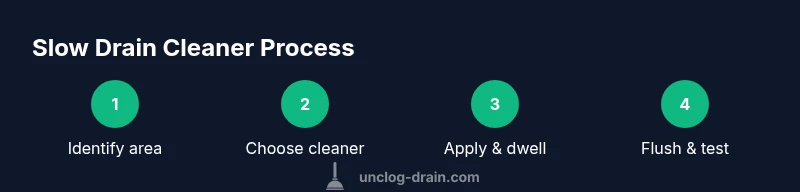
A safe approach starts with light pre-checks, selecting the right product, and applying it according to the label. Allow the recommended dwell time, then flush with hot water to push loosened material through the system. If the drain remains slow, consider mechanical means or repeating the treatment after a few hours. Throughout the process, maintain good ventilation and wear protective gear. The goal is gradual relief without forcing aggressive chemicals into the pipes, preserving long-term plumbing health.
DIY remedies that pair well with slow drain cleaners
Pair slow drain cleaners with safe, non-abrasive methods to boost effectiveness. A small amount of baking soda followed by vinegar can help soften buildup in some drains, though you should not mix with caustic cleaners. After waiting the recommended dwell time, flush with hot water to carry loosened debris away. Avoid mixing household cleaners, as chemical reactions can create dangerous gases or damage plumbing seals. Always read product labels and use non-corrosive options for septic systems.
What to avoid when using slow drain cleaners
Never mix multiple cleaners; combining acids, bleaches, and other reactive agents can produce hazardous fumes or heat. Do not use slow drain cleaners in a pipe system with aluminum components or in drains connected to septic systems that require special handling. Avoid using excessive quantities or leaving cleaners in contact with pipes longer than the label recommends. If you notice a burning chemical taste, unusual odors, or excessive heat, stop and ventilate the area. The Unclog Drain guidance warns against over-reliance on chemical cleaners for stubborn clogs and recommends mechanical checks if progress stalls.
Troubleshooting and prevention: turning a slow drain into a well-functioning drain
If a drain remains slow after treatment, reassess trap and vent integrity, consider a deeper mechanical clean, or call a professional for a camera inspection. To prevent future clogs, implement a routine maintenance plan: clear hair from bathroom drains, use a drain screen, and schedule periodic maintenance with enzymatic cleaners. Unclog Drain’s long-term guidance emphasizes proactive prevention alongside occasional chemical intervention to keep lines clear and reduce emergency calls.
Tools & Materials
- Gloves (nitrile or latex)(Protect hands from cleaners and debris)
- Safety goggles(Shield eyes from splashes)
- Drain plunger (sink/toilet)(Ensure a good seal for pressure)
- Drain snake / plumber’s auger(Break up stubborn buildup)
- Bucket or towels(Catch overflow and protect surfaces)
- Measuring cup or bottle(Accurate dosing of cleaners per label)
- Enzymatic slow drain cleaner product(Choose products labeled for slow drains and septic compatibility)
- Kettle or pot of hot water(Helpful for flushing after dwell time)
Steps
Estimated time: 45-60 minutes
- 1
Prepare the area
Clear the area around the affected drain. Place towels or a bucket to catch spills. Put on gloves and safety goggles to protect yourself from splashes and debris. This initial setup reduces mess and keeps you safe as you work.
Tip: Ventilate the area and have a waste container ready for used rags or soaking water. - 2
Inspect the trap and drain opening
If accessible, check the P-trap for visible buildup and remove it carefully. Clean the trap if you see hair or solids. Reassemble securely before applying cleaner; a loose trap can negate any relief from the product.
Tip: Avoid forcing the trap; use gentle twisting to loosen joints. - 3
Apply the slow drain cleaner per label
Measure and pour the recommended amount into the drain according to the product label. Do not mix products. If the drain is a kitchen sink, consider waiting a bit longer due to grease content.
Tip: Read the label to confirm dwell time and any ventilation requirements. - 4
Wait the prescribed dwell time
Let the cleaner work for the label-specified duration. Do not rush this step; enzymes or safe chemicals need time to break down buildup. Use this window to prepare for the next step and avoid using water to flush early.
Tip: Set a timer to ensure you don’t exceed the recommended dwell time. - 5
Flush and test the drain
Pour hot water gradually to flush loosened material through the pipe. Run the faucet to test drainage. If flow improves, run a bit more water to clear residual debris. If it’s still slow, proceed to mechanical methods.
Tip: Start with moderate water flow to avoid a splashback or pipe shock. - 6
Use mechanical methods if needed
If the drain remains slow, reintroduce a plunger or a snake to physically break through the clog. Work gently; avoid forcing the tool deeper if you meet resistance. Repeat as needed in short bursts.
Tip: Do not over-torque the snake; lift and reinsert as required. - 7
Clean up and monitor
Reinstall any removed parts, wipe spills, and monitor the drain over the next few days. If the problem recurs frequently, consider a deeper diagnostic, such as a camera inspection, or professional help.
Tip: Keep a small record of when clogs occur to spot patterns.
Common Questions
What is a slow drain cleaner?
A slow drain cleaner is a product designed to address gradual drainage by breaking down organic buildup such as hair and soap scum. It typically uses enzymes or safe formulas that work over time rather than blasting the clog. Use as part of regular maintenance or for mildly clogged drains.
A slow drain cleaner is a product that helps with gradual clogs by breaking down buildup and is often used for routine maintenance.
Are slow drain cleaners safe for septic systems?
Many enzymatic slow drain cleaners are designed to be septic-safe, but always check the label. Avoid products labeled for aggressive sewer clearing if you rely on a septic system. If in doubt, consult the manufacturer’s guidance or a plumber.
Most enzymatic cleaners are septic-safe, but check the label and avoid harsh formulas if you have a septic system.
Can I use hot water with enzymatic cleaners?
Yes, you can flush enzymatic cleaners with hot water after the recommended dwell time. Do not exceed the label’s guidance on heat as excessive heat can degrade enzymes or damage seals.
Flush with hot water after the dwell time, but don’t exceed the label guidelines.
How long should I wait after applying a slow drain cleaner?
Most products specify a dwell time from 15 minutes to several hours. Enzymatic cleaners often require longer to work. Always follow the product label for timing and ventilation guidelines.
Dwell times vary by product; follow the label for how long to wait.
What should I do if the drain remains slow after using a cleaner?
If the drain is still slow after following the label, switch to mechanical methods like a drain snake or plunger, and consider repeating the process. If issues persist, consult a professional to avoid pipe damage.
If it’s still slow after using the cleaner, try mechanical methods or call a professional.
Should I use multiple cleaners in succession?
Avoid using different cleaners one after another. Chemical interactions can release fumes or damage pipes. Resolve the clog with a single product according to its directions, then assess with mechanical methods if needed.
Don’t mix cleaners; follow one product and use mechanical methods if needed.
Watch Video
Key Points
- Use the right slow drain cleaner for your drain type.
- Always follow label directions and dwell times.
- When in doubt, combine chemical cleaners with mechanical methods.
- Prevent future clogs with screens and routine maintenance.