How to Fix an Old House Basement Drain Clogged: A Practical Troubleshooting Guide
Urgent, practical troubleshooting for a clogged basement drain in an old house. Learn how to diagnose, fix, and prevent backups with safe, DIY steps and when to call a pro.


The most likely cause is a blockage from aging pipes, mineral buildup, and root intrusion common in old houses. Begin with basic checks: probe the drain with a plunger or hand auger, clear the trap, and flush with hot water mixed with baking soda. If backups continue, stop using the line and contact a licensed plumber for a thorough inspection.
Problem overview: Understanding basement drains in old houses
If you’re dealing with an old house basement drain clogged, you’re not alone. Basements in older homes are prone to slow drainage and backups because the plumbing materials age, joints loosen, and tree roots seek moisture. A clogged basement drain can manifest as water pooling near the floor drain, gurgling sounds, or toilets/backups in other fixtures when water is used heavily. In many cases, gravity and soil conditions surrounding the foundation influence how quickly clogs form. This guide focuses on practical, safe steps you can take today to reduce damage and restore flow without unnecessary risk. The problem often starts with a simple blockage that grows as mineral scale builds up and roots exploit weak points in aging piping. Early action matters to protect your foundation and prevent mold growth in damp basements.
Why older homes are prone to basement drainage issues
Older homes rely on aging materials such as cast iron, clay, or early PVC unions that settle, corrode, or crack over time. Joints loosen, backflow preventers wear out, and soil movement near the foundation can push debris toward the drain. In addition, tree roots seeking moisture can infiltrate through tiny cracks and create dense blockages. The combination of aging infrastructure and aggressive root systems makes the basement drain more susceptible to clogs than in newer homes. A cautious, methodical approach often yields the best results, preserving pipe integrity while restoring proper flow. Historically, homeowners report backups during spring thaws or after heavy rains when groundwater pressure increases around the foundation.
Quick checks you can do now
Start with non-invasive steps before pulling out tools:
- Inspect the area around the floor drain for standing water, damp spots, or a sour odor, which can indicate backups in the main line.
- Use a plunger on the floor drain to create suction and attempt to dislodge loose debris near the opening.
- Remove the drain grate and visually inspect for obvious blockages near the trap.
- If you have access to a cleanout, remove the cap and check for obvious obstructions. Do not force the cap if it’s tight—back off and reassess.
- Boil water and slowly flush the drain with a mixture of hot water and baking soda to help loosen mineral buildup. Do not pour boiling liquid down pipes that are old or brittle; proceed with care.
- Document what you observe (water level behavior, sounds, or backflow in other fixtures) to share with a plumber if needed. These quick checks help you assess severity without escalating risk. If you notice sewage smells, continuous backups, or water backing up into other fixtures, stop and seek professional help promptly. At this stage, safety comes first and prevention pays off in the long run.
Diagnostic-flow: Symptom → diagnosis → solutions
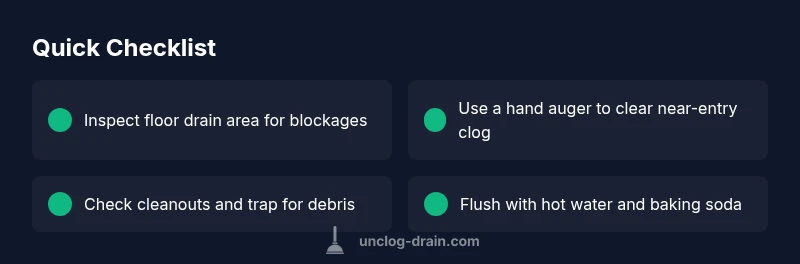
Symptom: Basement floor drain backs up during heavy use or after rainfall. Causes: - Aging cast iron or clay pipes with mineral buildup (high) - Root intrusion through cracks (high) - Incorrect slope or collapsed line (medium) - Sewer line issues upstream (low) Fixes: - Gentle snaking to clear near the entry (easy) - Inspect cleanouts and traps, flush with hot water (easy) - Replace or reline severely damaged sections (hard) - When in doubt, call a licensed plumber for sewer-line diagnosis (easy/hard depending on access)
When to call a professional: knowing your limits
When basic methods fail to restore flow within a reasonable time, it’s time to involve a pro. Persistent backups can indicate deeper problems such as a collapsed pipe or root invasion that requires specialized equipment and local code knowledge. In old houses, even seemingly small estimates can be misleading; a licensed plumber can perform video inspection, assess the sewer line's condition, and determine if the main line needs trenching or relining. If you’re unsure how to safely proceed, stop DIY actions and schedule a diagnostic visit.
Preventive maintenance for long-term reliability
Prevention is cheaper than cure, especially in aging homes. Establish a routine that includes: - Regularly inspecting floor drains and cleanouts for signs of buildup. - Installing strainers over every drain to catch hair, sediment, and debris. - Keeping trees and shrubs away from your foundation to reduce root intrusion risk. - Scheduling periodic sewer-line checks if you’ve had backups before. - Using a professional service for annual drain cleaning and camera inspections. Small investments now can prevent major overhauls later.
When to upgrade components for reliability
If your house shows repeated clog cycles, consider upgrading with:
- A dedicated basement sump pump with an overflow alarm to manage water intrusion.
- A more robust cleanout arrangement that aligns with modern codes.
- A backflow prevention device to keep sewer gas and water from backing into living spaces.
- A drain re-pipe or relining for severely corroded sections. These upgrades can dramatically improve reliability in old basements and reduce the frequency of clogs. Always consult with a licensed plumber to ensure correct sizing and compliance with local codes.
Steps
Estimated time: 60-120 minutes
- 1
Safety check and prep
Before you begin, unplug nearby electrical devices if exposed to standing water and wear rubber gloves, eye protection, and boots. Clear the area and gather tools: plunger, hand auger or snake, bucket, and towels. This prep reduces slip hazards and protects you from sewage exposure.
Tip: Always keep a dry escape route and don’t work alone if water is rising. - 2
Assess the drain opening
Remove the grate and visually inspect the drain entry for lint, hair, or sediment. If you see a visible clog, attempt gentle dislodgement with the plunger or a small, straight tool. Avoid forceful prying that could damage brittle cast-iron joints.
Tip: Do not use metal objects that could scratch or crack the drain. - 3
Try mechanical clearing
Use a hand auger or plumbing snake to reach the clog beyond the trap. Rotate slowly while pushing forward, then pull back to retrieve debris. Run hot water during and after to help wash remnants away.
Tip: Constrain the snake to avoid harming the pipe surface. - 4
Flush and verify
Pour hot water mixed with baking soda or a mild, non-caustic cleaner to clear residual buildup. Reinsert the trap or grate and test the drain by running water from the sink or laundry. Look for smooth flow without backups.
Tip: If water still backs up, don’t push further—seek professional assistance. - 5
Check other fixtures
Run water in nearby sinks or toilets to see if backups occur elsewhere. A connected main line backup will affect multiple fixtures, signaling a larger issue.
Tip: Document the pattern of backups to aid diagnosis. - 6
Decide on next steps
If flow is restored, monitor the drain over the next 24–48 hours. If backups return or you notice smells, plan a professional evaluation and possible pipe rehabilitation.
Tip: Keep records of repairs and dates for future maintenance.
Diagnosis: Basement floor drain backs up during heavy use or after rainfall.
Possible Causes
- highAging pipes with mineral buildup
- highRoot intrusion through cracks
- mediumImproper slope or collapsed line
- lowMain sewer line issues upstream
Fixes
- easyGently snake or auger the drain to clear near-entry blockages
- easyInspect and clear cleanouts; flush with hot water
- hardRepair or replace severely damaged pipe sections
- easyConsult a licensed plumber for sewer-line diagnosis and camera inspection
Common Questions
Why does an old house basement drain clog more often than newer homes?
Older homes use aging pipes that corrode and develop joints that loosen, allowing mineral buildup and roots to accumulate. These factors together increase the chance of a basement drain clog compared to newer plumbing.
Older pipes corrode and roots intrude, which raises the chances of basement drain clogs.
Is it safe to use chemical drain cleaners in a basement drain?
Chemical cleaners can damage old pipes and backslope joints. They may also fail to reach deep blockages and create hazardous fumes in enclosed basements. Mechanical clearing is usually safer for aging plumbing.
Chemicals can harm old pipes; safer to use mechanical methods first.
Can I fix a basement drain clog myself forever, or should I hire a pro?
If the clog is near the entry and you can clear it with a snake, DIY is reasonable. If water backs up repeatedly, smells, or multiple fixtures are affected, a licensed plumber is advised.
DIY works for simple blockages, but persistent backups need a pro.
What maintenance reduces future basement clogs in old houses?
Use drain strainers, keep cleanouts accessible, and schedule annual checks. Avoid pouring grease or thick cleaners down basement drains and monitor tree growth near the foundation.
Install strainers and have annual checks to prevent future clogs.
When should I call a professional for a basement drain issue?
Call a pro if backups persist after clearing, you detect sewage odors, or you suspect a main line problem. A video inspection helps locate hidden damage.
If backups keep happening or you smell sewage, call a plumber for a closer look.
Are there safety concerns when working on basement drains?
Yes. Basement work can involve sewage exposure, electrical hazards, and wet floors. Wear PPE, avoid DIY in waterlogged areas, and turn off power to the affected spaces when necessary.
Yes, there are safety hazards; use PPE and be careful around electricity.
Watch Video
Key Points
- Address clogs with mechanical methods first
- Old homes need proactive maintenance to prevent root intrusion
- Check cleanouts and traps regularly
- Don't rely on chemical cleaners in basements
- The Unclog Drain team recommends professional help if backups persist