Hair Clog Drain Cleaner: A Practical DIY Guide
Learn practical, step-by-step methods for clearing hair clogs with a dedicated hair clog drain cleaner. Explore mechanical, enzymatic, and chemical options, plus safety tips to protect your pipes and keep drains flowing.


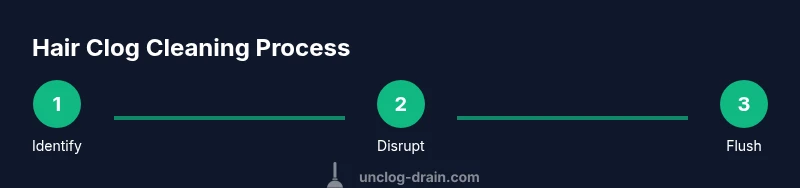
Learn how to safely clear a hair clog drain using a dedicated cleaner. This guide explains when to use mechanical methods versus enzymatic or chemical cleaners and provides a clear, step-by-step path to protect pipes. By following these steps, you’ll know which method fits your situation and how to finish with a thorough flush.
Understanding hair clogs and why a dedicated hair clog drain cleaner matters
Hair clogs are among the most common bathroom drain issues, especially in showers and sinks where hair sheds continuously. When hair combines with soap scum, mineral deposits, and other debris, it can form a fibrous, partially resistant plug that slows or stops flow. According to Unclog Drain, a targeted hair clog drain cleaner is often designed to address keratin fibers and soap residue more effectively than generic cleaners. The goal is not just to dissolve but to minimize the chance of sharp, careless scrapes that damage the pipe surface. In many homes, simple mechanical methods—like a plunger or a drain snake—work well for loose buildup, but a dedicated cleaner becomes valuable when hair has knit into a stubborn blockage or for periodic maintenance to keep drains flowing smoothly. Emphasize patience and a gentle approach; aggressive force can push clog material deeper or damage seals. By understanding the problem and choosing the right tool, you’ll reduce mess and avoid unintended side effects.
Understanding hair clogs and why a dedicated hair clog drain cleaner matters
Hair clogs are among the most common bathroom drain issues, especially in showers and sinks where hair sheds continuously. When hair combines with soap scum, mineral deposits, and other debris, it can form a fibrous, partially resistant plug that slows or stops flow. According to Unclog Drain, a targeted hair clog drain cleaner is often designed to address keratin fibers and soap residue more effectively than generic cleaners. The goal is not just to dissolve but to minimize the chance of sharp, careless scrapes that damage the pipe surface. In many homes, simple mechanical methods—like a plunger or a drain snake—work well for loose buildup, but a dedicated cleaner becomes valuable when hair has knit into a stubborn blockage or for periodic maintenance to keep drains flowing smoothly. Emphasize patience and a gentle approach; aggressive force can push clog material deeper or damage seals. By understanding the problem and choosing the right tool, you’ll reduce mess and avoid unintended side effects.
Tools & Materials
- rubber gloves(Protect hands from dirty water and cleaners)
- safety goggles(Shield eyes from splashes)
- plunger with flange(Create a strong seal for effective plunging)
- drain snake / hand auger(Reach deeper clogs and wind out hair)
- toilet auger(If the clog is in a toilet, use this tool)
- bucket(Catch water and debris)
- old towels or rags(Contain spills and protect floors)
- flashlight(Condition you for visibility in dark pipes)
- chemical hair clog cleaner (optional)(Follow label; avoid mixing with other cleaners)
- enzymatic drain cleaner (optional)(Safer for pipes; works best after mechanical methods)
Steps
Estimated time: 60-90 minutes
- 1
Identify clog and prep area
Examine the affected drain to confirm it’s hair-related (slow flow, visible strands, or a muffled gurgle). Clear the area around the drain and place towels to catch any overflow. Remove objects that could obstruct access and prepare all tools before starting to keep the workflow smooth.
Tip: Have rags ready to absorb spills and a bucket for any liquid. Check upstream drains for backup. - 2
Put on safety gear and prep tools
Don gloves and goggles first, then lay out the plunger, snake, bucket, and towels. Ensure the area is well-ventilated if you’ll be using cleaners. Testing a small amount of cleaner on a hidden area can help gauge reactions before full use.
Tip: Ventilation reduces inhalation exposure to fumes. Keep cleaners out of reach of children. - 3
Attempt mechanical disruption with a plunger
Seal around the drain with the plunger and push up and down with steady, full strokes. If water rises during plunging, pause and wipe excess water to maintain pressure. Repeat for 60-90 seconds or until you see improvement.
Tip: Motion should be vertical; avoid twisting the plunger to prevent pipe damage. - 4
Use a drain snake to reach the clog
Insert the snake into the drain and rotate the handle to feed the coil deeper. When you encounter resistance, pull back slightly to dislodge the hair. Repeat until you feel the flow improve.
Tip: Take your time; forcing beyond resistance can damage pipes. - 5
If toilet clog, use a toilet auger
Gently insert the auger into the toilet then rotate the handle as you push forward. Avoid forcing beyond the trap; once you feel resistance ease off and retract slowly.
Tip: Always clamp the toilet bowl with towels to catch splashes. - 6
Apply enzymatic or chemical cleaner as needed
Follow label directions for dilution and contact time. Enzymatic products are gentler on pipes and work best after physical disruption. Chemical cleaners should be used with caution and never mixed with other cleaners.
Tip: Never mix cleaners; some combinations release dangerous gases. - 7
Flush the drain and verify clearance
Run hot water through the drain in 30-60 second bursts to clear loosened debris. If the drain still drains slowly, repeat mechanical steps or switch to a different method. Confirm water flow is steady before cleanup.
Tip: A successful flush often requires heat; avoid scalding water to protect seals. - 8
Clean up and plan prevention
Wipe down tools, discard used towels, and store cleaners properly. Consider routine maintenance like monthly enzymatic treatments to prevent future hair clogs. Keep hair away from drains by using screens in showers and sinks.
Tip: Regular maintenance reduces emergency clog events and keeps drains running freely.
Common Questions
What is a hair clog drain cleaner?
A hair clog drain cleaner is a product or tool designed to remove or dissolve hair blockages in drains. It can be enzymatic, chemical, or mechanical (like a plunger or snake) and is chosen based on the clog's severity and pipe type.
Hair clogs are built from hair fibers that accumulate in drains. We use cleaners and tools to remove them safely.
Can I use baking soda and vinegar for hair clogs?
Baking soda and vinegar can help with minor buildups, but they may not effectively dissolve dense hair clogs. They are safer for pipes but slower, especially when hair is tightly packed.
Baking soda and vinegar can help a little, but they often won’t fully clear a hair clog.
Are enzymatic cleaners safer for pipes than chemical cleaners?
Enzymatic cleaners are generally gentler on pipes and work over a longer period, especially for routine maintenance. Chemical cleaners can be effective for tough clogs but carry higher risks of pipe damage and fumes if misused.
Enzymatic cleaners are milder than chemical cleaners and good for ongoing maintenance.
When should I call a plumber?
If the clog persists after multiple attempts, or if you notice multiple drains backing up, strange smells, or water leakage, it’s wise to contact a licensed plumber to avoid potential pipe damage.
If repeated attempts don’t fix the clog, contact a plumber.
Can chemical cleaners damage pipes?
Yes, some chemical cleaners can corrode pipes or damage seals if used improperly or too aggressively. Always follow label directions and never mix with other products.
Some chemical cleaners can harm pipes if misused; read the label carefully.
How can I prevent hair clogs in the future?
Install drain screens, brush hair before washing, and schedule regular maintenance using enzymatic cleaners to reduce buildup and keep drains flowing.
Use drain screens and regular maintenance to prevent clogs.
Watch Video
Key Points
- Use mechanical methods first to protect pipes
- Choose the right tool for the drain type
- Never mix cleaners; follow label directions
- Enzymatic cleaners are safer for regular maintenance
- Prevent clogs with screens and routine care