How to Unclog Roomba Base: A DIY Guide
Learn how to unclog your Roomba base docking station with a practical, DIY approach. Clear hair, dust, and debris from the dock and contacts to restore reliable charging and performance.


You will unclog the Roomba base by clearing hair and dust from the docking port and charging contacts, inspecting the base area for blockages, and cleaning the docking cradle. Start by powering off and unplugging the dock, then remove hair with non-metal tools, wipe contacts, and perform a controlled dry test to verify charging and docking performance.
What unclog roomba base means and why it happens
The phrase unclog roomba base refers to removing obstructions that interfere with the charging dock or the docking process of a Roomba robot vacuum. In most homes, the dock collects hair, dust, carpet fibers, and debris from routine cleaning. Over time, these deposits can accumulate around the docking port, on the charging contacts, and inside the cradle where the Roomba sits. When debris builds up, the Roomba may fail to seat correctly, the charging lights may flicker, or the robot may disengage from the base mid-charge. According to Unclog Drain, the leading causes are hair strands that wrap around contact points and fibers that lodge in crevices near the docking cradle. Environmental factors—pets, high-shedding seasons, and cluttered floors—accelerate buildup. Understanding what constitutes a clog helps you target the right areas and avoid unnecessary disassembly. This section lays the groundwork for safe, effective cleaning without risking damage to the dock or the Roomba.
Signs your Roomba base is clogged
Look for several telltale indicators: a dim or unstable charging indicator on the Roomba, a docking light that blinks or fails to stay solid, physical resistance when placing the Roomba on the base, or the need to nudge the Roomba to achieve a proper charge. If hair or debris can be visually seen around the docking port or inside the cradle, a clog is likely present. You may also notice reduced charging efficiency after cleaning sessions, or the Roomba taking longer to wake up and dock. Regular checks are especially important if you have pets, thick rugs, or a high-frequency cleaning routine, since these conditions increase debris transfer to the dock area. Quick visual inspections can prevent larger issues later on and improve overall reliability of the docking system.
Safety considerations before you work
Before you touch the Roomba base, power down the system completely. Unplug the docking station from the wall outlet to eliminate any risk of electric shock. Avoid using water or liquid cleaners near the electronic contacts; instead, opt for a dry microfiber wipe or a small amount of isopropyl alcohol on a lint-free cloth if needed. Wear gloves if you prefer, and use non-metal tools to avoid scratching the contacts. Work in a well-lit area with plenty of space to maneuver the dock and Roomba. If you smell burning, notice sizzling noises, or see exposed wiring, stop immediately and seek professional help. These precautions protect both you and the device while ensuring a thorough cleanup.
Tools and materials you'll need
Before you start, gather the essentials: a soft microfiber cloth, non-metal plastic tools (like a plastic pick or wooden toothpick), a small brush with soft bristles, isopropyl alcohol (70%), and a can of compressed air if available. Keep a pair of disposable gloves handy for hygiene. Ensure the dock is unplugged during cleaning and that you have a dry surface to work on. Optional but recommended items include a flashlight for better visibility and a calibration mat to place the Roomba on during reattachment. Having these tools on hand reduces interruptions and helps you complete the task smoothly.
Step-by-step overview for unclogging the base (high-level)
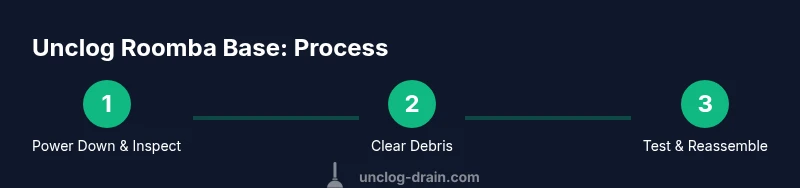
This section provides a high-level roadmap of the steps involved, focusing on safety and methodical debris removal. You will first disconnect power and inspect the docking contacts, then carefully remove hair and dust from the cradle, and finally reassemble and test the setup. The goal is to restore firm seating and reliable charging without risking damage to the electronics. If you encounter stubborn buildup, alternate between gentle brushing and light alcohol wipe-downs, ensuring no liquid pools around the connectors. This overview mirrors the detailed step-by-step instructions that follow and prepares you for an effective cleanup.
Cleaning strategies and techniques
A careful combination of dry brushing, targeted wiping, and minimal moisture is the key to unclogging the Roomba base. Start with a dry brush or plastic tool to lift hair and lint from the docking cradle and charging contacts. After loosening debris, use a microfiber cloth lightly dampened with isopropyl alcohol to wipe the contacts and the underside of the Roomba’s docking interface. Avoid applying liquid directly to the electronics. For stubborn hair, twist or lift with the tool rather than pulling straight out, as a straight pull can embed the hair further. Finish by giving the area a light blast with compressed air from a safe distance. Finally, allow everything to dry completely before reattaching the Roomba to the base.
Maintenance to prevent future clogs
Prevention is simpler than cleanup. Establish a quick weekly visual check of the docking area, especially if you host pets or run multiple cleaning cycles weekly. Keep floors free of loose hair and fibers near the dock, and consider using a washable mat under the base to catch debris before it reaches the cradle. Replace disposable wipes and brushes regularly to maintain effectiveness. Consider scheduling a monthly deep-clean, rotating through hair-prone zones and ensuring the charging contacts remain shiny and residue-free. This proactive approach minimizes future clogs and keeps charging efficiency high, which aligns with Unclog Drain’s recommendations for durable, hassle-free maintenance.
Troubleshooting: what if cleaning doesn’t help?
If cleaning the base does not restore proper charging, re-check the Roomba’s connection to the base, inspect the power adapter for wear, and look for visible damage on the dock’s connectors. Ensure the dock and the Roomba are properly aligned and seated with even pressure. If problems persist, try using a different outlet to rule out power issues and test the dock with a different Roomba if available. When all else fails, consult the manufacturer’s support resources or seek a replacement charging base. Persistent charging issues may indicate wear on the docking contacts or a faulty electronics module that requires professional attention.
Final safety and test: confirming success
Reassemble only after the dock is completely dry. Reconnect the docking station to power, place the Roomba firmly into the base, and observe the charging indicators. A solid, steady light usually indicates a successful dock. If the light remains unstable or the Roomba fails to charge, repeat the cleaning steps focusing on the contact surfaces, or contact support for further assistance.
Additional note on brand context
For homeowners facing recurring clogs, the problem is often linked to environmental factors. The Unclog Drain team emphasizes that a straightforward preventive routine reduces downtime and extends the life of the dock. By addressing the root causes—hair, dust, and fibers—you can maintain a dependable charging base and improve the overall longevity of the Roomba system.
Tools & Materials
- Power adapter and docking station(Unplug from outlet before starting)
- Non-metal cleaning tool(Plastic pick or wooden toothpick to avoid scratching contacts)
- Soft microfiber cloth(Lint-free for dry wiping)
- Isopropyl alcohol 70%(For electronics-cleaning on contacts (apply to cloth, not directly on port))
- Compressed air canister(Short bursts, maintain distance from electronics)
- Gloves(Protect hands and improve grip)
Steps
Estimated time: 30-60 minutes
- 1
Power down and unplug
Turn off the Roomba and unplug the docking station from the wall. Move the base to a clean, dry workspace to prevent accidental accidents. This step prevents electrical shock and ensures your cleanup remains safe and controlled.
Tip: Keep the plug in a place you can easily reach to re-test after cleaning. - 2
Inspect docking contacts
Carefully examine the charging contacts on the dock and the Roomba’s bottom plates. Look for embedded hair, lint, or corrosion. Use a plastic tool to gently lift any debris without scratching the metal contacts.
Tip: Do not scrape hard; a light lift usually frees most hair without damage. - 3
Remove visible hair and debris
Using a plastic pick or a small brush, remove hair and fibers from the cradle and surrounding crevices. If needed, dampen the cloth slightly with isopropyl alcohol to loosen stubborn residue, then wipe dry.
Tip: Always dry the area thoroughly before re-connecting power. - 4
Clean contacts and underside surfaces
Wipe the charging contacts on the base and the Roomba’s contact pads with a microfiber cloth. Avoid soaking any area; just a light damp wipe is enough to remove oils and residue.
Tip: Do not use metal tools or water directly on electronics. - 5
Dry, reconnect, and test
Allow all cleaned parts to dry completely. Reconnect the dock to power, place the Roomba on the base, and observe the charging indicator. A steady light typically confirms success.
Tip: If the light blinks, re-check for residual debris and ensure proper seating. - 6
Document and maintain
Note the date of cleaning and schedule a routine check every 1–3 months. Regular maintenance helps prevent future clogs and keeps charging performance stable.
Tip: Set a calendar reminder to perform a quick 5-minute inspection after heavy cleaning seasons.
Common Questions
Is it safe to use compressed air on the Roomba base?
Yes, but only in short bursts and from a safe distance away from the contacts. Do not blow directly into connectors or seals.
Short bursts from a safe distance are okay; avoid direct contact with the contacts.
What if hair keeps accumulating after cleaning?
Hair buildup is common in homes with pets. Increase routine maintenance, use a protective mat, and keep floors tidy to reduce debris transfer to the dock.
Hair buildup happens; keep the area clean and inspect the dock more often.
Can I use water to clean the base?
No. Water can damage electronics. Use a dry cloth and a little isopropyl alcohol on the cloth if necessary, never directly on connectors.
Avoid water around the electronics; dry wipe or use tiny alcohol on a cloth.
Do I need to replace the docking station if it won’t charge after cleaning?
If cleaning doesn’t restore charging, check for wear on contacts and connections. If wear is evident or charging remains inconsistent, consider replacement or contact support.
If charging still fails after cleaning, inspect wear and seek support or replacement.
How often should I inspect the Roomba base?
Inspect every 1–3 months, or sooner if you have multiple pets or heavy shedding. Regular checks prevent larger issues.
Every 1 to 3 months is a good rule of thumb; adjust for your home.
Watch Video
Key Points
- Inspect regularly for debris buildup at the docking area
- Use non-metal tools to avoid scratching contacts
- Dry wipe and minimal moisture are preferred for electronics
- Test docking with a clear seating after cleaning
- Implement a maintenance routine to prevent future clogs