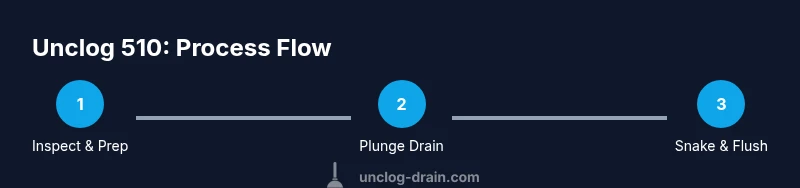
Unclog 510: A Complete DIY Drain Fix Guide
Learn how to unclog 510 drains with safe tools and a clear step-by-step method. This practical guide covers plungers, augers, non-toxic options, safety tips, and maintenance to prevent future clogs—empowering homeowners to tackle common issues confidently.


You will learn to unclog 510 using common tools like a plunger and a drain auger, plus safe home methods. The quick answer outlines the essential steps, safety checks, and when to switch strategies. By following these steps, you can resolve most household clogs quickly, protect your pipes, and avoid costly plumber visits.
Understanding the unclog 510 Challenge
Unclog 510 is a common drain issue that homeowners encounter in kitchens and bathrooms. According to Unclog Drain, the most frequent causes are hair, soap scum, grease, and food particles that accumulate behind the trap and piping. When a clog advances, water backs up and odors can develop. The first step is to assess where the blockage is located, whether it sits in the trap, the vertical stack, or deeper in the main line, so you can choose methods that minimize pipe damage. With a calm, methodical plan, most residential clogs respond to mechanical action rather than harsh chemicals, keeping your plumbing healthier over time. This understanding sets the stage for safe, practical fixes you can perform in a weekend project.
Tools and Methods for Unclog 510
A clean toolbox is your first ally. For most 510 clogs, a plunger (cup plunger) and a drain snake (manual auger) are the core tools. Start with the plunger to create suction and dislodge the blockage. If that does not clear the drain, switch to a drain snake, feeding it slowly into the pipe until you feel resistance, then rotate to break up the clog. Some homeowners prefer enzyme-based cleaners as a low-toxicity option, but these often require time to work and may not immediately clear a stubborn blockage. Hot water flushes can also help dissolve some grease or soap scum, but avoid boiling water for PVC pipes if you have older plumbing; check manufacturer guidance. Always place a bucket under the trap to catch water, and wear gloves to protect your hands. This approach minimizes chemical exposure while maximizing mechanical effectiveness.
Safety, Precautions, and Setup
Safety first: Never mix chemical drain cleaners with mechanical tools; fumes can be hazardous. Ventilate the area by opening a window and turning on a fan. If you have a septic system, avoid enzyme or chemical products that could upset the balance. Put down towels around the work area to protect floors from spills. Keep children and pets away during the process. By preparing the area and wearing gloves, you reduce the risk of skin irritation or slips.
Diagnosing the Clog and Initial Clearing Attempts
Take a closer look at the trap and access point. If the trap is removable, disassemble it and clean out visible debris with a gloved hand or rag. Reassemble and test by running water; if it drains slowly, proceed to a deeper investigation with a drain snake. For stubborn clogs, do not force the tool; instead, retract and try a different angle. After attempting initial clearing, flush with hot water to help carry debris out of the pipe and re-test the drain.
Preventive Measures and Long-Term Maintenance
Prevention is easier than repeated fixes. Install drainage screens to catch hair and food particles, avoid pouring grease down the drain, and run hot water for 30–60 seconds after cooking to dissolve residue. Consider a monthly maintenance routine using baking soda followed by hot water to reduce buildup. If clogs recur frequently, review your piping setup with a professional to identify deeper issues such as bent pipes or a blocked main line. This proactive approach reduces the likelihood of future outages and prolongs pipe life.
Tools & Materials
- Cup plunger (sink/drain)(Ensure a good seal around the drain opening for effective suction.)
- Drain snake / manual auger(10-15 ft length is typical for residential traps.)
- Bucket(Catch water and debris during the process.)
- Gloves(Wear rubber gloves for hygiene and grip.)
- Rags or old towels(Protect floors and clean up spills.)
- Flashlight(Inspect deep or hidden sections of the drain.)
- Safety goggles(Optional but recommended for splash protection.)
Steps
Estimated time: 30-60 minutes
- 1
Prepare the area and safety check
Clear the area around the sink or drain. Place a bucket under the trap and lay towels to catch splashes. Put on gloves and goggles, and ensure children and pets are out of reach.
Tip: Confirm you have easy access to the trap and a clear path for tools. - 2
Plunge to dislodge the clog
Position the cup plunger to seal the drain opening and perform several firm, controlled push-and-pull motions to create suction. Break the surface tension of standing water to draw the clog away from the pipe walls.
Tip: Keep the plunger fully submerged; avoid an up-and-down motion that splashes. - 3
Switch to a drain snake if needed
If plunging fails, insert the drain snake into the drain while turning slowly. Advance the snake until you meet resistance, then rotate and pull back to break up the clog.
Tip: Do not force the snake; retract and try from a slightly different angle if resistance remains. - 4
Flush and verify the drain
Run hot water through the drain to flush debris out of the system and re-test drainage. If water still backs up, consider repeating the snake step or moving to the trap cleaning step.
Tip: A steady water flow after cleaning confirms clearance. - 5
Assess results and plan next steps
If the drain clears, monitor for a few days. If clogs recur, it may indicate a deeper issue (main line, venting, or pipe damage) requiring a professional assessment.
Tip: Document recurring symptoms to share with a plumber if needed.
Common Questions
What is the best method to unclog 510 drain?
For most 510 drains, start with a plunger to remove the blockage. If that fails, use a manual drain snake to break up the clog. Avoid chemical cleaners as a first option and ensure proper safety measures.
Start with a plunger, then try a drain snake if needed; avoid chemicals as the first option.
Can I use chemical drain cleaners on unclog 510?
Chemical cleaners can be hazardous and may damage older pipes or septic systems. They should be used only as a last resort and never mixed with other cleaners. Consider mechanical methods first and opt for enzyme-based products with caution.
Chemicals can be dangerous and aren’t always effective; use them only after trying mechanical methods and follow the label.
How long does it take to unclog 510 using this method?
The timeline varies with clog severity. For many mechanical clogs, progress is visible within 10-30 minutes; stubborn blockages may require longer or multiple sessions. Stop if progress stalls and reassess.
It varies, but you’ll often see progress within tens of minutes; if not, reassess your approach.
When should I call a plumber for 510 clogs?
If repeated mechanical attempts fail after a reasonable effort and time, or you notice backup in multiple drains, it’s wise to call a professional to assess for deeper issues in your plumbing system.
If you’ve tried for a while with no progress or multiple drains back up, call a plumber.
What maintenance helps prevent future clogs?
Use drain screens, avoid pouring grease down sinks, flush hot water after meals, and perform a monthly maintenance routine with baking soda and hot water. Regular checks can prevent recurring problems.
Screens and regular hot-water flushes help stop clogs from forming in the first place.
Watch Video
Key Points
- Start with mechanical methods (plunger) for most 510 clogs
- Choose the right tool for the clog's depth and location
- Avoid routine chemical cleaners; they can be hazardous
- Prevent future clogs with screens, hot-water flushes, and regular maintenance