Unclog 360 Spray: DIY Drain Unclog Guide for Home
Learn how to safely use Unclog 360 Spray to clear a clogged drain. This comprehensive, expert-backed guide covers prep, steps, safety, troubleshooting, and prevention for homeowners and DIY enthusiasts.


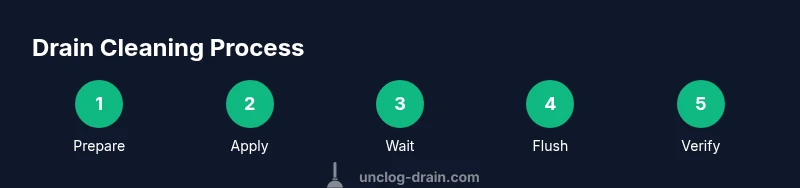
Using Unclog 360 Spray, you can tackle a common drain clog at home by following a simple, label-guided workflow. Start with safety prep, remove standing water, apply the spray directly into the drain, wait the recommended time, and thoroughly flush with hot water. Always ventilate the area, wear gloves, and avoid mixing cleaners. If symptoms persist, seek professional help.
Understanding Unclog 360 Spray: How it Works
Unclog 360 Spray is a consumer-grade drain cleaner designed to target organic clogs in household pipes. The spray format delivers a concentrated formula that coats the blockage, helping to break down hair, grease, soap scum, and food debris. Unlike powder products, a spray can reach into the trap and downstream sections with lower risk of splashing when used correctly. When you apply it, the formula works by a combination of solvents and surfactants that soften and dislodge build-up, allowing water to re-enter the pipe more easily. For best results, start with the simplest path: clear standing water, remove visible hair or solids near the drain opening, and ensure access to the trap or cleanout if available. According to Unclog Drain, following label directions is essential for safety and effectiveness; do not exceed the recommended amount, and never mix with other cleaners. Remember that sprays are typically most effective on light to moderate blockages and may not fix severe or non-organic clogs. Use caution and manage expectations.
Safety First: Precautions When Using Chemical Drain Sprays
Chemical drain sprays are powerful but can irritate skin and eyes, and fumes may irritate the throat or lungs. Before you begin, put on chemical-resistant gloves and safety goggles. Work in a well-ventilated area; open a window or run a fan. Read the label for any warnings about concentrations, dwell times, and compatibility with septic systems. Do not use in a sealed bathroom with the door closed. Keep children and pets away. Do not mix with other cleaners like bleach or ammonia, which can produce dangerous gases. Have towels ready to catch spills, a bucket for waste, and a flashlight to inspect the drain interior. If you experience coughing, dizziness, or skin irritation during use, stop and leave the area. Dispose of any disposable components per local guidelines. After use, rinse surfaces and wash hands thoroughly.
When to Use Unclog 360 Spray vs Mechanical Methods
Spray drain cleaners like Unclog 360 Spray are suited for routine clogs that form from hair, soap scum, grease, or small food particles. They are generally faster and less messy than traditional plungers, augers, or chains. However, they are not a substitute for mechanical methods in all cases. If the clog is stubborn, involves a solid object, or the water backs up into fixtures on multiple levels, a mechanical approach such as a plunger or drain auger may be needed, or you may need to call a plumber. For older homes with problematic pipes or a septic system, consider whether a chemical cleaner is appropriate; some systems can be sensitive to certain chemicals. Always start with the simplest solution and avoid using sprays on a drain that smells of gas, shows signs of a collapsed pipe, or has standing water that persists after a full treatment.
Preparing the Area: Clear Access and Safety
Clear the area around the drain, remove rugs that could slip, and ensure good footing. If the drain has a trap (P-trap) under a sink or tub, place a bucket nearby to catch any water when you loosen the cap or access panel. Wipe up spills promptly to prevent slips, and lay down old towels to protect floors. If you must disassemble a trap or access plug, do so slowly to avoid twisting pipes or injuring seals. Have a light source to inspect inside the drain and look for obvious hair or debris you can remove before applying the spray. Put the product within reach but off the shelf and away from heat sources. Finally, check the label for dwell times and any required pre-rinsing steps.
Step-by-Step: Access the Clog (P-Trap, Cleanout)
Step 1: Access the blockage by locating the P-trap under a sink or the cleanout plug in the drain line. Place the bucket, hold the nuts with adjustable pliers, and carefully loosen the trap. Step 2: If you find standing water in the trap, remove some of it with a towel before working. Step 3: Inspect for obvious debris; hair balls or grease buildup may be visible. Step 4: If your fixture has a cleanout access, open it to observe the blockage and ensure you have a clear shot for the spray. Use a flashlight to guide your observation. Do not force the pipes. Reassemble once inspection is complete. Pro tip: Keep a protective rag under the trap to catch any drips when reassembling.
Step-by-Step: Administer Unclog 360 Spray Correctly
Shake the can well before use to mix the formula. Insert the spray outlet into the drain opening or cleanout until you feel resistance, then spray in one continuous motion for the labeled duration. Do not spray into sealed traps; aim at the interior of the pipe where the blockage is located. After application, cap the drain and allow the product to dwell for the recommended time. If the label allows, you may gently agitate the access area with a disposable stick to help distribute the chemical.
Step-by-Step: Wait Time and Flushing Procedure
During the wait time, avoid using hot water immediately; some formulas require a pre-flush later. Follow the label's dwell time; typically a few minutes up to 30 minutes. After the dwell, flush the pipe with hot water in a controlled stream to help clear residual residue. Use a steady, gentle flow rather than a powerful blast, to prevent splashing and pipe damage. If you have a garbage disposal, turn it off during treatment. Return to inspect the drain: if the water clears and flows freely, you can proceed to the next steps; if not, consider repeating the treatment or moving to mechanical methods.
Step-by-Step: Verify Drain Flow and Clean Up
Run hot water for 1-2 minutes to confirm full flow through the drain. Listen for the sound of fast flowing water and observe clear water draining from fixtures. If water still drains slowly or backs up, re-evaluate the blockage, and consult more robust methods. Clean up the spray can, cap it tightly, and store it in a cool, dry place away from children. Wipe down surfaces and sanitize clutter. Keep your drain area dry and tidy for the next maintenance session.
Common Issues and How to Handle Them
Clog persists after treatment: verify you followed the dwell time and get the correct spray depth. If a large hairball or greasy buildup remains, chemical sprays may not reach it; mechanical removal or professional service may be required. If the product bubbles or emits gas, leave the area and ventilate. Check for seals and gaskets; a leaky trap can mislead you about blockage status. The spray may not be compatible with metal pipes, PVC variations, or septic systems; check label compatibility.
Maintenance and Prevention
To minimize future clogs, install drain strainers and clean them weekly. Run hot water after each kitchen use to dissolve grease; for bathroom sinks, rinse with cold water after using hair products to reduce mineral buildup. Periodic maintenance with a non-acidic enzyme cleaner can help, but avoid mixing with chemical sprays. Keep solvents and cleaners away from children. Schedule annual inspections if you own an older home or have repeated clogs. Finally, track your home's drain behavior; if flow slows consistently, consider professional assessment to avoid more serious problems.
Tools & Materials
- Unclog 360 Spray(Follow label instructions for application amount and distance.)
- Protective gloves(Chemical-resistant; nitrile or neoprene recommended.)
- Safety goggles(Eye protection during spray application.)
- Old towels or rags(Catch drips and protect surfaces.)
- Bucket or container(To collect water or spills from the trap.)
- Flashlight(Inspect inside the drain and trap area.)
- Adjustable pliers / wrenches(If you need to loosen a trap nut or cleanout.)
- Disposable gloves or wipes for cleanup(For post-use cleanup.)
- Ventilation (fan or open window)(Keep the area well-ventilated during use.)
Steps
Estimated time: 30-60 minutes
- 1
Prepare the area
Clear the workspace, remove rugs, and place a bucket under the trap. Read the label to confirm dwell times and ensure you have access to the drain. This minimizes splashes and protects surfaces.
Tip: Have towels ready and a flashlight handy to inspect the interior. - 2
Protect yourself and surfaces
Put on gloves and goggles. Ensure the room is well-ventilated and keep children and pets away. This reduces exposure to fumes and accidental contact.
Tip: Ventilation is more important than you might think—open a window even on mild days. - 3
Access the clog
Locate the trap or cleanout. If you need to inspect, loosen traps slowly and catch any water. Assess whether there is obvious debris you can remove by hand.
Tip: Never force a trap; back away if you feel heavy resistance. - 4
Apply Unclog 360 Spray
Shake the can, insert the nozzle into the drain or cleanout, and spray for the labeled duration. Avoid sealed traps and distribute the formula toward the clog's interior.
Tip: Stop if you notice any unusual reaction and read the label again. - 5
Wait the recommended time
Allow the product to dwell as directed. Do not rush to flush; some clogs require time for the formula to act on buildup.
Tip: Set a timer so you don't forget the dwell time. - 6
Flush the system
Rinse with hot water in a steady stream to push residues through. Avoid aggressive blasting that could splash or damage seals.
Tip: If you have a disposal, turn it off during treatment. - 7
Re-test drainage
Run water and observe flow. If the drain remains sluggish, consider repeating the treatment or progressing to mechanical methods.
Tip: A clear flow usually confirms partial or full success. - 8
Cleanup and disposal
Cap the can, wipe surfaces, and store in a cool, dry place away from children. Clean up tools and dispose of waste per local guidelines.
Tip: Do not reuse disposable wipes for future spills.
Common Questions
Is Unclog 360 Spray safe for septic systems?
Most drain sprays are formulated to be septic-safe when used as directed. Always check the label for compatibility with septic systems and avoid overuse.
Most sprays marketed for home drains are designed to be septic-safe if you follow the directions. Check the label for septic compatibility and don't overuse.
Can I use Unclog 360 Spray in a kitchen sink?
Yes, if the label indicates compatibility with kitchen drains. Avoid spraying into garbage disposals if the product label warns against it.
Yes, as long as the label says it's safe for kitchen drains. Don’t spray into a garbage disposer if the label cautions against it.
How long should I wait after applying before flushing?
Follow the label, which typically specifies a dwell time from several minutes up to about half an hour. Do not rush the flush.
Follow the label's dwell time, usually from a few minutes to about 30 minutes, then flush.
Will it damage plastic pipes?
If the product label lists plastic compatibility, it should be safe for PVC and similar materials. Do not use on damaged or questionable pipes.
If the label confirms it’s safe for plastic pipes, it should be fine; avoid applying to damaged pipes.
What if I smell a strong chemical odor?
Ventilate immediately and step away. If symptoms occur, leave the area and seek fresh air; if necessary, contact local poison control.
Open a window and leave the area if you smell a strong chemical odor. If you feel unwell, seek fresh air and help.
Watch Video
Key Points
- Follow label directions for safety and effectiveness
- Start with safety prep and surface protection
- Apply spray directly into the drain and dwell as instructed
- Flush with hot water and verify drainage
- The Unclog Drain team recommends maintenance to prevent future clogs