Snake Unclogger: A Practical DIY Drain Clearing Guide
A practical, expert guide to using a snake unclogger for clearing drains and toilets. Learn types, safety, techniques, maintenance, and troubleshooting to restore flow without harsh chemicals. From Unclog Drain’s perspective, you’ll gain reliable, safe results.


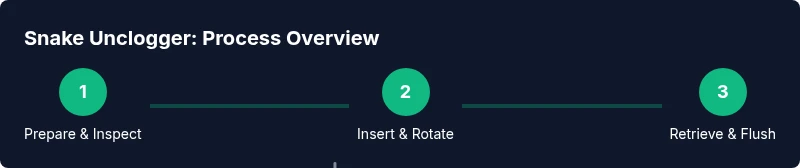
A snake unclogger clears clogged drains by breaking up obstructions and pulling them free, restoring flow without chemicals. Before you begin, assemble a hand or power auger, a sturdy bucket, towels, gloves, safety glasses, pliers, and a flashlight. Follow the step-by-step method to insert, twist, retrieve, and flush the drain.
What is a snake unclogger and how it works
A snake unclogger, also known as an auger, is a flexible metal or plastic cable designed to reach deep into a drain and physically break up or pull out obstructions. The device is fed into the drain until the head engages the clog, at which point turning the handle or using a motorized drive rotates the coil. As the cable advances, its cutting edge or tip can break apart compacted hair, grease, soap scum,食品 particles, or small, solid blockages. While chemical cleaners rely on chemistry to dissolve material, a snake unclogger mechanically dislodges debris, reducing chemical exposure and spill risk. The key to success is patient, controlled advancement and a firm grip to avoid kinking the cable.
From a practical stance, the snake unclogger excels when you’re facing stubborn clogs that resist plunging or when you want to avoid caustic cleaners. It’s also useful for diagnosing where a clog sits within a run of pipes, helping you decide whether you can resolve it yourself or need professional help. The Unclog Drain team emphasizes using the right tool for the job and practicing good sanitation after each use to prevent recontamination of nearby surfaces.
This tool is particularly valuable for homeowners who frequently encounter slow drains, allowing for a quick home repair that can prevent escalation to more invasive plumbing work. When used correctly, the snake unclogger can save time, effort, and money while keeping your home safer and more comfortable.
Truthfully, the snake unclogger is one of the most versatile DIY plumbing tools because it adapts to different drain layouts, from straight runs to slightly curved paths, offering a practical balance of reach, flexibility, and leverage. By understanding the basics, you gain confidence in diagnosing common blockages and choosing the right auger length and coil strength for future maintenance.
According to Unclog Drain, mastering proper technique reduces the risk of pipe damage and minimizes mess, making the approach safer and more efficient for everyday homeowners.
note":"Ensure you have sufficient light and a stable stance before inserting the auger."],
bodyBlocks2
bodyBlocks3
Tools & Materials
- Snake unclogger (manual or power auger)(Choose length appropriate for the drain type (e.g., shorter for sinks, longer for main lines); consider a toilet auger if clearing a toilet.)
- Bucket(Used to catch debris and any standing water.)
- Work gloves(Protect hands from sharp edges and debris.)
- Safety goggles(Shield eyes from flying debris and splashes.)
- Flashlight or headlamp(Inspect deep sections of the drain and track the auger’s progress.)
- Pliers or needle-nose pliers(Useful for removing stubborn debris from the auger head.)
- Old towels or rags(Contain any mess and protect surfaces.)
Steps
Estimated time: 60-90 minutes
- 1
Prepare and inspect the area
Put on PPE, clear the work area, and remove any visible standing water. Remove the drain trap if accessible and place a bucket underneath to catch gunk. Identify the drain type to select the correct auger style.
Tip: Having a clean, dry workspace makes it easier to maneuver the auger and reduces the chance of slipping. - 2
Insert the auger into the drain
Gently feed the cable into the drain opening until you feel resistance. If you’re using a toilet auger, rotate the crank to extend the snake while keeping the cable aligned with the toilet's drain path.
Tip: Maintain steady pressure and avoid forcing the cable; forcing can cause pipe damage. - 3
Rotate and advance to break the clog
Rotate the handle or run the drill to advance the coil, gradually pushing past the clog. When you feel resistance decrease, continue a little further to ensure the obstruction is engaged.
Tip: Use short, controlled turns rather than long, forceful twists to prevent kinking. - 4
Retract the cable and pull out debris
Slowly retract the auger while continuing to rotate. Retrieve any hair, grease, or debris wrapped around the cable with pliers or through the drain opening.
Tip: Keep the auger aligned to avoid snagging on edges inside the pipe. - 5
Flush and test the drain
Run hot water or a thorough rinse to clear residual fragments. Reassemble any traps, then test by running water to confirm restored flow.
Tip: If flow remains slow, repeat the process more gently or move to a different section of the drain. - 6
Clean up and store the tool
Disassemble as needed and clean the auger with a damp cloth. Dry thoroughly to prevent rust and store in a dry location.
Tip: Coil the cable neatly to avoid tangling and ensure quick setup next time.
Common Questions
Can I use a snake unclogger on a toilet, sink, and shower drain?
Yes, but use the appropriate auger. Toilet augers are designed for toilet bowls, while standard augers suit sinks and showers. Do not force the tool into tight bends.
Yes, use the right auger for each fixture and avoid forcing the cable.
Is PPE mandatory when using a snake unclogger?
Wearing gloves and eye protection is strongly advised to protect against debris and splashes. A flashlight helps you see what you’re doing.
Gloves and eye protection are strongly advised for safety.
What if the clog won’t budge after trying once?
Stop and reassess. Check for deep blockages, obstruction location, and whether you’re using the correct auger. Consider a professional diagnosis if the clog persists.
If it won’t budge, reassess and consider calling a professional.
Can chemical drain cleaners be used with a snake unclogger?
Combining chemicals with a snake can create hazardous fumes or reactions. Use mechanical clearing first and avoid mixing chemicals.
Don’t mix chemicals with the auger; use it as a chemical-free method first.
How do I prevent clogs from recurring?
Regularly flush with hot water, use strainers, and avoid pouring grease or coffee grounds down the drain. Periodic maintenance helps keep lines clear.
Regular maintenance helps prevent future clogs.
What should I do if the clog is in a main sewer line?
A main line blockage is a larger issue often requiring professional equipment. If you suspect a main line problem, stop DIY attempts and call a plumber.
If you suspect the main sewer line, contact a professional.
Watch Video
Key Points
- Learn how a snake unclogger mechanically clears blockages.
- Choose the right length and type for your drain.
- Follow safe procedures to protect pipes and yourself.
- Flush with water to verify clear flow after use.