Snake for Bathtub: Step-by-Step Unclog Tub Drains
Learn how to use a snake for bathtub to clear tub clogs safely. This Unclog Drain guide covers tool selection, insertion technique, safety tips, and maintenance to prevent future blockages.


Learn how to use a snake for bathtub to clear stubborn tub clogs safely and effectively. This quick guide covers selecting the right snake, proper insertion depth, turning technique, and when to stop. By following Unclog Drain's expert methods, homeowners can unclog a tub drain quickly while avoiding damage. Minimal mess, no chemical drain cleaners required.
What is a snake for bathtub and why it's effective
A drain snake, also called an auger, is a flexible coil designed to reach into a drain cavity where hair, soap scum, and mineral deposits collect. For a bathtub, a snake helps dislodge the clog from the trap and the vertical portion of the pipe, rather than just pushing it deeper. In practice, the tool acts like a flexible drill bit that cuts or hooks the clog and carries debris back toward the drain opening.
According to Unclog Drain, tub clogs are often caused by a combination of hair, soap scum, and mineral buildup that bind together over time. The Unclog Drain team found that the most stubborn tub blockages are usually located near the P-trap or within the first couple of feet of the horizontal drain line. A snake lets you reach those areas without tearing apart the tub or plumbing. However, a snake is not a universal fix: it works best on soft, semi-solid clogs and older pipes with smooth interiors. For solid objects or roots intruding into the line, professional removal may be required. When used correctly, a tub snake minimizes mess, avoids chemical cleaners, and reduces the need for costly drain services.
Header text: I should ensure we mention "snake for bathtub" phrase exactly somewhere; We'll include early: "A drain snake is often called a snake for bathtub."
Safety and prep before you start
Safety and preparation matter as much as technique when unclogging a bathtub drain. Wear snug, non-slip gloves and eye protection to guard against splashes and debris. Clear the area around the tub, lay down towels or a disposable sheet, and keep a bucket handy for standing water or drained liquid. If you plan to use a plunger in combination with the snake, place a cloth over the overflow plate to minimize splashback. Avoid mixing chemical drain cleaners with mechanical tools; chemical residues can react with the metal coil and create fumes. Finally, unplug the drain area with adequate lighting; a bright work area helps you spot snags early and reduces the chance of something slipping into the pipe during the process. Unclog Drain emphasizes that a calm, methodical approach yields the best results and reduces the risk of property damage.
Choosing the right snake and accessories
There are several types of snakes, and the best choice depends on the clog location and pipe layout. A hand auger (a compact, flexible coil) is usually sufficient for most bathtub drains and lets you feel the clog as you advance. A drum auger is longer and can reach deeper into longer runs, which helps when the clog sits further from the trap. A toilet auger is not ideal for bathtubs unless you are dealing with a toilet connection nearby; it can be overkill or risky for tub piping. In terms of size, opt for a snake with a flexible coil small enough to navigate the trap but sturdy enough to push through hair. Keep extra attachments on hand, such as a small cutting head or grabbing hook for snagging hair. Finally, choose a drain-cleaning kit that includes a built-in guide to help you track insertion depth without overpenetrating the pipe. Choosing wisely reduces frustration and improves your odds of clearing the blockage.
Technique overview: how the snake engages and clears a tub drain
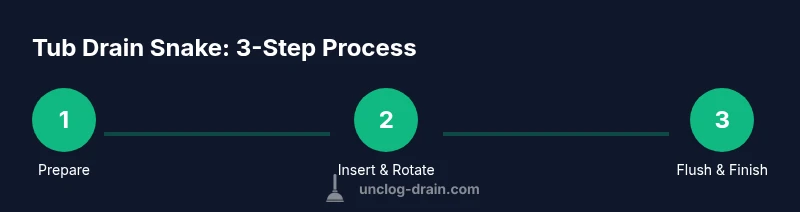
When using a tub snake, your goal is to reach the clog and either hook or cut it loose. Start by inserting the snake slowly into the drain until you feel resistance. At that point, rotate the handle while applying gentle forward pressure to help the coil work its way past hair and gunk. Maintain steady, slow rotations for a few inches, then push a little farther if you can. If you lose the grip, retract the coil a bit and reinsert. As you work, listen for the telltale scrape and feel of debris breaking free; water may begin to drain more freely as the clog loosens. Once you sense progress, slowly retrieve the coil while continuing to rotate to pull debris back into the drain opening. Finally, flush with hot water or a strong stream from the faucet to clear remaining fragments and inspect the trap area for residual buildup. This approach minimizes damage to the pipe and is gentler than aggressive scraping.
Common mistakes and how to avoid them
- Forcing the snake deeper when you hit resistance can bend or break the coil. Always back off, reposition, or switch to a longer tool.
- Using chemical drain cleaners with a mechanical snake is unsafe and can leave residues that corrode metal and create fumes.
- Skipping the P-trap and attempting to clear only the visible portion may leave the clog hidden; always work from the trap toward the drain.
- Not protecting the overflow or surrounding surfaces can create a bigger mess; cover these areas and wipe up spills promptly.
- Neglecting to clean and dry the snake after use can spread bacteria; disinfect the coil and storage case before storing it.
Maintenance and when to call a pro
Regular maintenance reduces the frequency of tub clogs. After a successful snake job, flush the line with hot water to wash away remaining hair and soap residues. Consider installing a catch basket in the tub drain to reduce hair ingress, and perform routine seasonal cleanings of the P-trap and nearby pipes. If you experience recurring clogs across multiple drains or a backflow into the tub when flushing, or if you cannot access the clog due to tight spaces, it's time to call a professional plumber. The Unclog Drain team notes that persistent blockages may indicate more serious issues like a damaged pipe or tree roots intruding into the line, which require specialized equipment and expertise.
Alternatives to a snake for bathtub clogs
If a snake seems daunting or ineffective, there are other approaches you can try before calling a pro. A plunger with a closed dome can sometimes dislodge shallow clogs with a few firm plunges. Enzymatic cleaners, used sparingly and according to label directions, can help break down organic buildup without harsh chemicals. A vinegar-baking soda combination is another home remedy, but do not mix it with acidic cleaners. For stubborn blockages, a professional hydro-jet or camera inspection may be recommended. Remember that chemical drain cleaners can damage piping and seals; use them only as a last resort and never in combination with a snake.
Quick reference checklist and safety tips
- Wear gloves and eye protection at all times.
- Work in a well-lit, dry area and keep a bucket handy.
- Use the right snake size and avoid forcing the coil past resistance.
- Clean and dry the snake after use; store in a dry place.
- If you cannot reach or clear the clog after a couple of attempts, stop and contact a licensed plumber.
- For ongoing maintenance, install a hair catcher and perform periodic trap cleaning.
Glossary of common terms
- Drain snake (auger): a flexible coil used to clear clogs inside drains.
- P-trap: the curved pipe under the sink or tub that sits before the drain.
- Hair buildup: strands that accumulate with soap scum and mineral deposits.
- Drum auger: a longer snake designed to reach deeper portions of the drain.
- Hand auger: a compact, user-friendly snake ideal for tubs.
- Enzymatic cleaner: a biological cleaning product that breaks down organic material.
Tools & Materials
- Rubber gloves(Non-slip grip, waterproof gloves)
- Bucket(For collected debris and drips)
- Flashlight(Bright light to inspect inside the drain)
- Drain snake (hand auger)(Short, flexible coil that fits tub drains)
- Pliers or tongs(Grab and remove hair or debris from coil)
- Old towels or rags(Protect surfaces and catch spills)
- Disinfectant(Sanitize tools after use)
- Plunger (optional)(Can be used in combination with the snake)
- Enzymatic cleaner (optional)(Alternative for buildup without chemicals)
Steps
Estimated time: 15-30 minutes
- 1
Prepare the workspace
Clear the area around the tub, lay down towels, and put on gloves and eye protection. Have a bucket nearby and ensure adequate lighting. This setup reduces mess and keeps you safe while you work.
Tip: Protect surfaces and gear up before approaching the drain. - 2
Insert the snake into the drain
Gently feed the coil into the tub drain until you feel resistance or a slight snag. Keep the coil straight and avoid forcing it through tight bends, which can kink or snap the coil.
Tip: If you meet strong resistance, back off and reposition before retrying. - 3
Rotate and push to break up the clog
Rotate the handle slowly while applying light forward pressure. This helps the coil cut through hair and soap scum and catch fragments without gouging the pipe.
Tip: Small, steady rotations beat quick, forceful turns. - 4
Retract and inspect debris
Withdraw the coil gradually, continuing to rotate to pull debris back into the drain opening. Wipe debris from the coil as you go to gauge progress.
Tip: Use pliers to remove any hair caught on the coil. - 5
Flush the drain and test
Run hot water to flush the line and check for improved drainage. If draining is still slow, repeat insertion and rotation once or twice.
Tip: Always test with water flow before concluding the job. - 6
Clean up and store the snake
Rinse the coil, dry it thoroughly, and store it in its sheath or a dry container away from moisture.
Tip: Disinfect the tool to prevent bacteria growth and odors.
Common Questions
Can I use a tub snake if my tub is completely backed up?
Yes, a tub snake can be used when a tub drain is backed up, but if the blockage is severe or you cannot access the clog, consider pausing and contacting a plumber. For stubborn cases, multiple light attempts are safer than brute force.
Yes, you can try a tub snake, but don’t force it. If it’s fully blocked or you can’t reach the clog, call a plumber.
Is it safe to reuse a tub snake on other drains?
Yes, but thoroughly clean and sanitize the coil between drains to prevent transferring bacteria or debris. Inspect for kinks or corrosion before reuse.
Yes, clean and disinfect the snake before using it on another drain.
What is the difference between a hand auger and a drum auger?
A hand auger is shorter and easier to maneuver in tight spaces like a bathtub. A drum auger is longer and can reach deeper clogs but requires more control to avoid pipe damage.
Hand augers are great for tubs; drum augers reach deeper but require steadier handling.
Can using a snake damage pipes?
If used improperly, a snake can kink or nick pipes, especially older ones. Use gentle pressure, avoid forcing through bends, and stop if you feel unusual resistance.
It can cause damage if you push too hard. Be gentle and back off if you feel resistance.
How often should I maintain a bathtub drain after using a snake?
Flush the drain with hot water after clearing, and consider a periodic hair catcher to reduce future clogs. Inspect the P-trap during routine maintenance.
Flush with hot water after using the snake and install a hair catcher to prevent future clogs.
When should I call a plumber for bathtub clogs?
Call a plumber if clogs persist across multiple drains, if water backs up into the tub after flushing, or if you suspect pipe damage or roots in the line.
If clogs persist or you suspect pipe damage, contact a licensed plumber.
Watch Video
Key Points
- Identify the clog location and choose the right snake.
- Feed, rotate, and pull back debris with controlled technique.
- Avoid chemical cleaners when using a snake.
- Test drainage after each attempt and flush thoroughly.
- Store tools properly and plan maintenance to prevent future clogs.