Hiring a Plumber to Unclog Drain: A Practical DIY Guide
Learn practical, step-by-step methods to unclog drains without overpaying. This guide explains when to DIY, essential tools, safety tips, and how to recognize when a professional is needed.


You can often clear simple clogs yourself before calling a plumber to unclog drain. This guide covers when DIY is appropriate, essential tools, and safe techniques, plus signs that demand professional help. If a sewer backup or persistent odor appears, contact a licensed plumber immediately for a definitive resolution.
Why a plumber to unclog drain matters
Dealing with a slow drain or a clogged toilet can escalate quickly if ignored. A plumber to unclog drain brings professional assessment, proper tools, and safety that DIY methods often lack. According to Unclog Drain, many residential clogs originate from hair and soap scum building up in traps, or mineral deposits slowly narrowing pipe passages. While a plunger and basic drain snake can solve minor issues, a stubborn clog may require professional equipment such as motorized augers, camera inspection, and targeted cleaning to prevent health risks and water damage. Hiring a licensed plumber ensures correct diagnosis, code-compliant work, and timely resolution. It’s especially important when multiple fixtures back up, or you notice sewer gas or foul odors. In these cases, attempting to DIY without expertise can push the problem deeper, leading to higher repair costs and more extensive repairs later. If you’re evaluating a plumber to unclog drain, this guide will help you decide when to DIY and when to bring in a pro. The Unclog Drain team emphasizes safety first: never mix chemical drain cleaners with other products, never venturing into the sewer line without proper PPE, and always shut off water when working on the affected drain.
Common clog culprits and how they form
Most residential clogs originate from everyday use. Hair, soap scum, and grease gradually stick to pipe walls, forming a dense mass that traps food particles and mineral deposits. In kitchen drains, grease and used cooking fats cool and congeal, creating a sticky barrier that narrows the pipe. In bathrooms, hair and personal-care products accumulate in the trap and the P-trap, reducing flow. Wet wipes, flushable wipes, and sanitary products are common offenders that do not dissolve and can wrap around augers, making the clog worse. Pulses of water pressure from faucet use can fragment the clog, creating smaller pieces that spread further down the line. Unclog Drain analysis suggests that early-stage clogs respond best to simple mechanical methods, while deeper blockages may require more advanced tools or professional assistance. Recognize warning signs early: slower drainage than usual, gurgling sounds, and water backing up into neighboring fixtures indicate a developing clog that deserves attention before a full backup occurs.
Safe DIY approaches you can try first
If you want to avoid a service call, start with non-destructive methods before reaching for heavy equipment. Begin with the simplest tool—the plunger—choosing the right type for the fixture. For sinks and showers, a cup plunger usually suffices; for toilets, a flange plunger yields better seal. Ensure the area around the drain is clear and that there is enough water to cover the plunger’s cup. Use steady, controlled pressure to create a vertical push that dislodges the blockage. If the plunger fails, move to a mechanical auger, advancing slowly while turning the handle to prevent kinking. For kitchen sinks, hot water flush combined with a small amount of baking soda can help loosen grease, but avoid boiling water for plastic pipes. After any DIY attempt, flush the line with plenty of clean water and monitor for return of normal flow. Important safety notes: never mix chemical drain cleaners with other cleaners or with dishwasher detergents, and never enter a sewer access point without proper PPE. If you see the clog returning repeatedly, stop and assess the risk of a deeper problem.
Using mechanical tools: snakes and augers
A hand-crank drain snake (auger) can reach blockages that a plunger cannot. Feed the snake slowly into the drain while keeping gentle tension on the inner cable to prevent binding. When you feel resistance, rotate the crank to break up the obstruction, then pull the coil back gradually. Rinse with water and re-test the drain. For toilets, insert the snake from the toilet by keeping the cable aligned with the drain and avoid scratching the porcelain. If the auger tip catches on a hard object, back off and reinsert at a slightly different angle. Expect several attempts and maintain cleanliness to prevent spreading the clog. Always wear gloves and eye protection, and keep a bucket handy to catch water spillage. If you work from the trap under the sink, remove the trap to inspect for trapped debris; often cleaning the trap alone can restore flow.
When to escalate: signs you need a professional
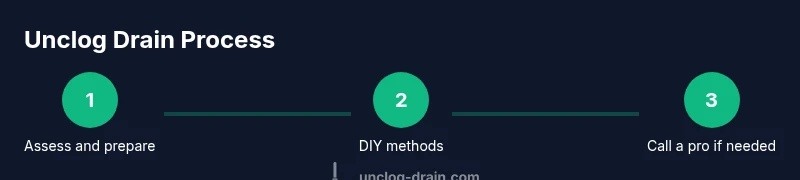
Call a plumber if you observe any of the following: backups in multiple fixtures with sewage-like odor, a sewer line backup, or water that won’t drain despite repeated attempts. Persistent gurgling sounds from the pipes, unpleasant odors, or slow drainage across fixtures that share the same line may indicate a more serious problem such as a damaged main line, collapsed pipe, or venting issues. If you’ve tried safe DIY methods without success after 45-60 minutes of focused effort, it’s time to seek professional help. The right professional will conduct a CCTV inspection to locate the blockage and identify structural problems. In some cases, a professional may recommend hydro-jetting or targeted cleaning that requires specialized equipment. Always ensure the technician is licensed and insured; ask for a written estimate before any work begins. The Unclog Drain team notes that timely escalation can prevent costly water damage and minimize downtime in your home.
Maintenance habits to keep drains flowing
Prevention is easier than cure. Use drain screens on every sink and bathtub to catch hair and food scraps. Run hot water for 15-30 seconds after each wash to push residue through the trap, and use enzyme-based cleaners periodically to break down organic material without harsh chemicals. Be mindful of what goes down the drain: avoid pouring fats or oils, dispose of wipes in the trash, and never flush items that can clog pipes. Schedule annual inspections if you have an older home or frequent slow-drain issues. If you’ve noticed recurring backups, review your venting and drainage layout with a professional to ensure proper slope and venting. The Unclog Drain analysis indicates that routine maintenance and early intervention are the best defenses against drainage problems, saving time and money in the long run.
Tools & Materials
- Plunger (cup or flange)(Choose a flange plunger for toilets; cup plunger works for sinks)
- Drain snake / auger (manual)(12-25 ft length recommended; narrow tip for hair and grease)
- Bucket(To catch water and debris)
- Rubber gloves(Protect hands from contaminants; optional: gloves with long cuffs)
- Safety goggles(Protect eyes from splashes)
- Towels or rags(For quick cleanup and drips)
- Flashlight(Inspect traps and pipe joints)
- Dish soap or degreaser (optional)(Use to help break up grease before snaking, but not as a primary method)
- Enzyme-based drain cleaner (optional)(Safe for pipes; use as maintenance, not for active clogs)
Steps
Estimated time: 40-60 minutes
- 1
Assess the scene and safety
Survey the affected fixture(s) and clear the area. Put on gloves and goggles, and remove any items that could fall into the drain. Check whether other fixtures are draining slowly, which may indicate a broader issue. Knowing the scope helps you decide between DIY and professional help.
Tip: Wear eye protection and keep a bucket ready for spills. - 2
Isolate water supply and prep tools
If the clog is in a sink or tub, shut off the water supply to that fixture to prevent further overflow. Gather your plunger, snake, bucket, towels, and flashlight so you don’t have to search mid-task.
Tip: Having everything within arm’s reach saves time and keeps the flow steady. - 3
Try the plunger method first
For sinks and tubs, place the plunger over the drain, ensure a good seal, and push with steady, vertical strokes. For toilets, use a flange plunger and apply firm, consistent pressure. If the water doesn’t move, switch to a snake.
Tip: A well-sealed plunger is half the battle—air leaks ruin suction. - 4
Use the drain snake to break up the clog
Insert the snake into the drain and turn the handle clockwise as you push forward. When you encounter resistance, pull back slightly and re-try, repeating until you feel the blockage loosen. Retract slowly and wash the area.
Tip: Do not force the snake; forcing can damage pipes. - 5
Flush, test, and re-evaluate
Run hot water (not boiling for plastic pipes) to flush residual material. Re-test the drain by running water through the fixture several times. If flow remains sluggish, move to professional assessment before the problem worsens.
Tip: If you hear gurgling or see backup in other fixtures, pause and call for expertise.
Common Questions
Can I unclog a drain without a plumber?
Yes, for simple clogs you can try plunger and a manual drain snake. If the blockage persists after careful attempts, a professional assessment is recommended to avoid pipe damage.
Yes, you can start with basic tools like a plunger and a snake, but if it doesn’t clear, call a pro.
What should I avoid putting down drains?
Avoid grease, oil, wipes, sanitary products, and fibrous materials that don’t break down. These items are common culprits that lead to stubborn clogs.
Don’t pour grease or flush wipes; they tend to cause trouble down the line.
Are chemical drain cleaners safe?
Chemical cleaners can corrode pipes and produce hazardous fumes. They should not be the first line of attack and are not recommended for regular use.
Chemicals can damage pipes and aren’t a great first choice—try mechanical methods first.
How long does it take a professional to unclog a drain?
Times vary based on the clog’s complexity. A typical service visit may resolve straightforward clogs quickly, while deeper issues may require investigations and specialized equipment.
It depends on the clog; some issues are quick, others need in-depth inspection.
What signs indicate a main sewer line problem?
Backups in multiple fixtures, a strong sewer odor, slow draining across several rooms, and gurgling pipes are red flags for main line or venting issues.
If several drains act up at once, call for a professional assessment.
Are enzyme cleaners useful for ongoing maintenance?
Enzyme-based cleaners are useful for routine maintenance and preventing buildup, but they do not instantly fix active clogs.
Enzymes help over time for maintenance, but aren’t quick fixes.
Watch Video
Key Points
- Assess the clog before heavy DIY work.
- Use the right tool for the fixture (flange vs. cup plunger).
- Avoid chemical cleaners as a primary fix.
- Know when to escalate to a professional.
- Maintain drains regularly to prevent future clogs.