How to Remove Sink Stopper to Unclog Drain
Learn how to safely remove a bathroom sink stopper to unclog drains. This guide covers stopper types, essential tools, a clear step-by-step process, troubleshooting, and maintenance tips to keep drains flowing smoothly in 2026.


Learn how to remove a bathroom sink stopper to unclog a drain, identify stopper types, gather essential tools, and follow a safe, step-by-step removal and reinsertion process. This quick guide covers different stopper designs, the reasoning behind each step, safety precautions, and how to reestablish smooth drainage without professional help.
Types of Sink Stoppers
Sinks use several stopper designs, and the removal method depends on which design is installed. Bathroom sinks typically rely on a lift-and-turn stopper or a pop-up mechanism connected to a vertical rod; kitchens more often use a flat stopper with a horizontal pivot or a cylindrical pop-up. Identifying your stopper type is crucial because removal steps vary. If you’re unsure, check under the sink for a rod or linkage that activates the stopper. According to Unclog Drain, starting with the correct design reduces risk to seals and keeps the assembly aligned during disassembly and reassembly. This initial identification isn’t just a formality — it sets the tone for a clean, controlled disassembly that minimizes hair and debris migration into the trap. By recognizing the model family, you’ll choose the right tools and avoid bending delicate components during removal.
How a Clogged Sink Stopper Impacts Drain Flow
A clogged stopper creates a bottleneck that slows water travel from the basin into the drain. Hair, soap scum, toothpaste residue, and mineral buildup can form a ring around the stopper or lodge inside the linkage, trapping debris where you can’t easily reach it. When the stopper binds or sits high, the channel becomes constricted, reducing flow and encouraging standing water in the sink. This isn’t just inconvenient — it increases the risk of odors and bacterial growth in the drain area. Regularly inspecting the stopper area helps you spot buildup before it balloons into a full clog. Keeping the stopper clean also prevents recurring blockages that require repeated disassembly.
Safety First: Tools and Prep
Safety should come before any DIY unclog task. Start by clearing the workspace and protecting the cabinet floor with towels or a tray. Wear rubber gloves to protect your hands from grime and sharp edges, and keep a flashlight handy to inspect tight spaces. Gather all necessary tools before you begin, so you won’t have to pause mid-task. A clean, organized prep reduces the risk of dropping parts down the drain or losing small washers. Remember, careful preparation protects seals and ensures you can reassemble the stopper correctly after cleaning. Unclog Drain emphasizes safety as the foundation of any DIY drain maintenance project.
Step-by-Step: Removing the Stopper (Bathroom Sink)
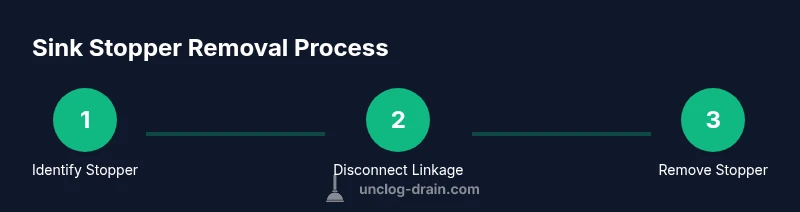
This section provides a practical sequence for common bathroom stoppers. Start by turning off the water supply under the sink and draining any standing water in the basin. Identify the exact stopper type, then disconnect the linkage or remove the retaining hardware as needed. Gently lift or pull the stopper assembly out of the drain, taking care not to twist or bend the rods. If the stopper is stubborn, apply a small amount of lubricant to joints and slowly work it free. Keep track of any washers or nuts so you can reassemble them in the same order. Completion means the stopper is out and you can access the drain opening for cleaning.
Cleaning and Reassembling: Keeping Your Drain Clear
With the stopper removed, flush the drain to clear loose debris. Use a brush or rag to wipe away hair, soap scum, and mineral buildup from the stopper and interior of the drain opening. Inspect the linkage and seals for wear; replace any damaged parts if available. Reassemble the stopper in the reverse order of removal, ensuring the linkage moves freely and the stopper seats properly when you test it. Run water to confirm a clean, uninterrupted drain flow and listen for any unusual sounds that indicate misalignment. Routine cleaning now reduces future maintenance and prolongs the life of the stopper assembly.
Troubleshooting Common Issues After Removal
If water still drains slowly after reassembly, suspect partial blockages further down the line, like the trap or the main drain line. Tighten connections as needed and check for leaks around joints. If the stopper won’t seal properly or returns to a high position, re-check the linkage alignment and ensure the stopper fully seats when closed. For stubborn clogs, a drain snake or auger can be introduced at the drain mouth to dislodge obstructions without harming seals. If the issue persists after several attempts, consider professional service to inspect piping and venting for deeper problems.
How to Prevent Future Clogs
Prevention is easier than remediation. Regularly remove and clean the stopper every few weeks, especially if you notice slower drainage. Use a fine mesh strainer at the basin to catch hair and debris before they reach the stopper. Periodically flush the drain with hot water and a mild cleaner to minimize soap scum buildup. Avoid pouring grease or sticky substances down the drain, and be mindful of hard-water minerals which can contribute to buildup around the stopper and in the trap. A routine maintenance schedule minimizes the need for disassembly and keeps drains flowing freely.
When to Call a Pro
If you encounter repeated clogs that resist standard cleaning, or if you notice persistent leaks around the stopper after reassembly, it’s wise to call a licensed plumber. Complex stopper assemblies, damaged seals, or a compromised trap can require professional inspection and tools beyond typical DIY kits. A pro can determine whether the issue involves the sink’s plumbing layout, the trap, or the main drain line and provide a precise fix while safeguarding your home’s plumbing system.
What Not to Do: Common Mistakes
Avoid forcing stuck parts or using excessive leverage, which can strip threads and damage the stopper or valve seats. Don’t neglect the trap; many clogs are stuck in the P-trap rather than the stopper itself. Refrain from using harsh chemical cleaners when the stopper is removed, as residues can corrode metal components or degrade seals. Don’t forget to recheck alignment after reassembly; misaligned links or an improperly seated stopper will lead to renewed clogs and leaks.
Summary: Quick Actions You Can Take Now
- Identify stopper type and inspect linkage before disassembly.
- Gather tools and wear gloves for safety.
- Remove stopper gently and clean debris from the component and drain.
- Reassemble carefully and test drainage with running water.
- Establish a simple maintenance routine to prevent future clogs.
Tools & Materials
- Sink stopper (pop-up, lift-and-turn, or toe-tap)(Choose based on your sink model; measure diameter and note the linkage type)
- Bucket or small container(To catch water and debris during removal)
- Adjustable pliers(Grip and manipulate small hardware without marring finishes)
- Flathead and Phillips screwdrivers(Use for set screws or linkage hardware)
- Rags or towels(Protect cabinet surfaces and soak up spills)
- Flashlight(Illuminates tight spaces under the sink)
- Drain snake/auger(Useful for clearing stubborn clogs beyond the stopper)
- Safety gloves(Keep hands clean and protected from sharp edges)
- Replacement washers or seals(Have spares just in case you damage a seal during removal)
Steps
Estimated time: 25-45 minutes
- 1
Prepare and protect the workspace
Turn off the water supply under the sink and drain the basin. Place towels or a tray to catch spills. Gather all tools so you won’t search mid-task. This minimizes mess and helps maintain control over tiny parts.
Tip: Have a camera or note handy to remember how linkage was connected before disassembly. - 2
Identify stopper type
Inspect the stopper from inside the basin and under the sink. Look for a vertical rod, a lift mechanism, or a toe-tap actuator. Knowing the design tells you exactly how to detach or disconnect it without forcing components.
Tip: If the diagram on the sink cabinet shows a model, use it as a guide for disassembly order. - 3
Disconnect linkage or remove retaining hardware
Loosen screws or release clips that hold the linkage to the stopper. Keep track of small washers and springs. If needed, temporarily secure loose parts with a cloth or tray so nothing falls down the drain.
Tip: Take a quick photo before you loosen anything to simplify reassembly. - 4
Remove the stopper
Gently lift or pull the stopper from the drain opening. If it sticks, work it slowly while keeping the basin dry. Avoid twisting the stem aggressively as this can bend or snap components.
Tip: Use pliers with a cloth to avoid scratching metal surfaces. - 5
Clean the stopper and surrounding area
Rinse the stopper to dislodge hair and soap scum. Use a small brush or old toothbrush to scrub the edges and any grooved surfaces. Wipe the drain opening and interior with a rag to remove residues.
Tip: Check the rubber seals for wear and replace if you notice cracks. - 6
Inspect and clean the trap
Place a bucket under the P-trap and loosen its nuts. Remove the trap to clear hair and buildup. Reassemble once clean, ensuring all washers seat properly to prevent leaks.
Tip: Do not overtighten the nuts; snug fit is enough to stop leaks. - 7
Reassemble the stopper and linkage
Reconnect the linkage, align the stopper with the drain, and secure fasteners. Ensure the stopper seats fully when closed. This step determines whether the drain runs freely when you test it.
Tip: Move the stopper by hand to verify smooth operation before finishing. - 8
Test drainage and clean up
Turn the water back on and run a slow stream to verify flow. Check for leaks around joints. If all looks good, wipe down the area and store tools properly.
Tip: If drainage is still slow, repeat the cleaning and consider using a drain snake for deeper obstructions.
Common Questions
What is the easiest way to identify my sink stopper type?
Look under the sink for the linkage and rod that connect to the stopper. Common types include lift-and-turn, pop-up, and toe-tap. A quick inspection will reveal which design you have and guide the removal process.
Check under the sink for the stopper linkage to determine if you have a lift-and-turn, pop-up, or toe-tap stopper.
Do I need to remove the trap when cleaning the stopper?
Often yes. The P-trap collects debris and hair; removing it allows complete clearing of the clog. Reassemble securely to prevent leaks after cleaning.
Usually you should check and sometimes remove the P-trap to clear hair and debris.
Can I use chemical drain cleaners after removing the stopper?
Mechanical cleaning is preferred for stopper-related clogs. Chemicals can damage seals and piping if misused. If you do use cleaners, follow label directions and avoid mixing products.
Avoid chemicals when the stopper is out; they can damage seals, so mechanical cleaning is safer.
What if the stopper is stuck or corroded?
Do not force it. Apply a small amount of lubricant and work it gently. If it remains stuck, consider replacement parts or professional help to avoid damaging components.
If it's stuck, stop forcing it and consider replacement or professional help.
How often should I clean the stopper and drain?
Clean the stopper area every few weeks if you notice slow drainage; perform a deeper clean every 6–12 months to prevent buildup and maintain optimal flow.
Clean regularly; a quick clean every few weeks helps prevent bigger clogs.
Watch Video
Key Points
- Identify stopper type before disassembly.
- Prepare tools and safety gear beforehand.
- Remove and clean the stopper carefully.
- Inspect the trap for debris and clean as needed.
- Test drainage and prevent future clogs with maintenance.