How to Unblock a Toilet Blocked with Toilet Paper: A DIY Guide
Step-by-step DIY guide to clear a toilet blocked with toilet paper. Diagnostic flow, safe techniques, prevention tips, and when to call a plumber.


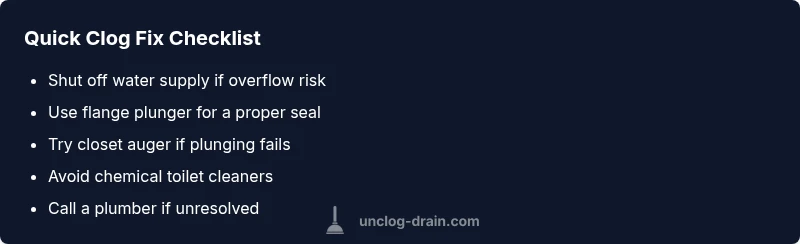
The most likely cause is a partial clog from toilet paper buildup, and the quickest fix is to stop flushing, start with a flange plunger, and work with a closet auger if needed. If the bowl remains full after several attempts, avoid harsh chemical cleaners and contact a professional plumber.
What causes a toilet to block when it's blocked with toilet paper
Toilet paper blockages are more common than many homeowners expect. According to Unclog Drain, tissue buildup from repeated flushes and flushing large amounts of paper at once can create a stubborn clog. In many homes the issue starts as a partial blockage that gradually worsens with each flush. Recognizing the root cause helps you pick the right fix and avoids accidentally packing the paper tighter. If ignored, a minor delay can turn into a major backup that affects other fixtures too.
A persistent clog often begins with toilet paper that breaks free and collects in the trap, then extends into the main drain. Damp wipes and recycled tissue can also contribute, but standard bathroom tissue remains the most frequent culprit. The key is to act quickly and avoid flushing repeatedly after the first signs of resistance.
Immediate actions to take when you notice a blockage
When you notice a blockage, the clock starts ticking on preventing an overflow and minimizing mess. Stop flushing the toilet immediately to avoid pushing the blockage deeper. If the water level is rising, don’t add more water to the bowl. Lay down towels to protect the floor and put on gloves to protect your hands. Gather your tools: a flange plunger designed for toilets, a closet auger (if plunging fails), a bucket, and a flashlight. Start with the simplest fix: a proper seal and steady pressure with the flange plunger, using short, firm pushes. If the plunger doesn’t clear the clog after 15-20 seconds of effort, switch to the auger. Remember to test by flushing with a small amount of water to see if the drain opens.
Diagnostic considerations and cautious approach
A toilet blocked with toilet paper can present in several ways. If the water in the bowl rises quickly and remains high after plunging, the clog is likely stubborn or deep in the drain. If water drains slowly or stalls, you’re dealing with a partial blockage. If other drains in the home back up or you hear gurgling from the vent, the problem could involve the vent system or a larger sewer issue. Avoid chemical drain cleaners as a first resort because they can damage the porcelain and pipe seals, and they may not reach the blockage effectively. A methodical approach based on observed symptoms yields the best outcome.
Tools, safety, and setup
Preparing the right tools and safety gear is essential. Wear protective gloves and eye protection in case of splashes. Use a dedicated toilet plunger (flange type) for a secure seal, and have a closet auger on hand for stubborn clogs. A bucket of warm water can help when a plunging session is insufficient. Clear the area around the toilet so you can work safely, and keep pets and kids away. Do not combine chemical cleaners with the toilet; the mixture can create dangerous fumes and pipe damage.
Step-by-step approach for clearing the toilet paper blockage (overview)
The most common fix sequence is to start with plunging to loosen the obstruction, then switch to a closet auger if plunging doesn’t fully clear the path. If the clog remains after those methods, avoid forcing more water into the bowl and call a professional. Cleaning up thoroughly after any procedure helps prevent recurring issues and keeps the bathroom sanitary. In most cases, a careful plunge followed by auger work will restore normal drainage without professional help.
Prevention and maintenance to avoid future clogs
Prevention is the best remedy. Flush only toilet paper designed for your system, and avoid flushing items like wipes, sanitary products, or paper towels. If your household uses a lot of tissue or if you notice slow drains, consider a weekly rinse with a small amount of hot water (not boiling) to help keep paper moving through the trap. Regularly inspect the toilet for leaks and run a vent check in the bathroom to ensure free airflow, which helps prevent pressure buildup that can drive clogs deeper into the sewer line.
Steps
Estimated time: 30-60 minutes
- 1
Prepare safety gear and tools
Put on gloves and protective eyewear. Gather a flange plunger, closet auger, a bucket, towels, and a flashlight. Clear the area and ensure you have good lighting to see what you’re doing.
Tip: Use a dedicated plunger for toilets to ensure a good seal. - 2
Stop the flush and assess
If water is rising, do not flush again. Remove excess water if possible with a sponge or bucket to reduce overflow. This buys you time to work methodically without making the mess bigger.
Tip: A calm, methodical approach prevents mistakes. - 3
Try the flange plunger technique
Place the flange around the drain and create a tight seal. Use firm, steady pushes and pulls for 15-20 seconds, then pause and assess the drain’s response. Repeat a few times, keeping the seal intact.
Tip: Seal quality matters more than brute force. - 4
Use a closet auger if plunging fails
Insert the auger into the drain and rotate while pushing forward. Stop when you feel resistance, then pull back slightly to dislodge debris. Extend the reach gradually until you feel clearance.
Tip: Go slow to avoid damaging the porcelain. - 5
Test and finalize
Flush a small amount of water to test clearance. If it flows smoothly, gradually restore normal flushing. Clean and sanitize tools and the surrounding area.
Tip: Dispose of debris in the trash when possible. - 6
Know when to call a pro
If the toilet remains blocked after both plunging and augering, or if you notice backups in other fixtures or sewer smells, contact a licensed plumber.
Tip: Persistent signs warrant professional assessment.
Diagnosis: Toilet blocked with toilet paper
Possible Causes
- highPartial clog from tissue buildup
- mediumFlushing large volumes of paper at once
- lowVent or sewer line issue
Fixes
- easyUse flange plunger to attempt dislodging the clog
- easyFollow with a closet auger if plunging fails
- hardCall a plumber if the clog persists or if other drains are affected
Common Questions
What should I do first when a toilet is blocked with toilet paper?
Stop flushing immediately, wear gloves, and assess the water level. Try a flange plunger first, then a closet auger if needed. Avoid chemical cleaners as a first option.
First, stop flushing, put on gloves, and check the water level. Try a flange plunger, then a closet auger if needed.
Can I fix a toilet paper clog without a plumber?
Yes, most clogs caused by toilet paper can be fixed with a flange plunger and a closet auger. If the clog persists, consider professional help.
Yes, with a flange plunger and auger you can fix many clogs. If it doesn’t clear, call a plumber.
Why doesn't my plunger work on a toilet?
A poor seal or using the wrong plunger type reduces effectiveness. Ensure you’re using a flange plunger and forming a tight seal before pushing.
If the seal isn’t tight or you’re not using a flange plunger, it won’t work well. Create a tight seal and try again.
Is it safe to use chemical drain cleaners in a toilet?
Chemical cleaners are not recommended for toilets; they can damage seals and may not reach the clog effectively. Stick to mechanical methods first.
Chemical cleaners can damage your toilet and aren’t reliable for paper clogs. Try plungers and augers first.
When should I call a plumber?
If the clog persists after plunging and augering, or if you notice backups in other drains or sewer smells, contact a licensed plumber.
If it won’t clear after using a plunger and auger, or you smell sewer gas, call a plumber.
Could a vent or main sewer issue cause this problem?
Yes, persistent blockages with unusual backups can indicate a vent or main sewer issue. A professional assessment is advised if symptoms persist.
Sometimes it's more than a clog. If other drains back up, you may have a vent or sewer problem—get a pro.
Watch Video
Key Points
- Stop flushing to prevent deeper blockages.
- Start with a flange plunger for the best seal.
- Move to a closet auger if plunging fails.
- Call a plumber if the clog persists or if other fixtures are affected.