Do You Need to Flush a Toilet to Unclog It? Practical Guide
Learn whether flushing is required to unclog a toilet, plus safe, DIY methods, tools, and a clear step-by-step approach to avoid overflow. Tips from Unclog Drain help homeowners unclog toilets efficiently and safely.


Do you need to flush a toilet to unclog it? Not always. In many cases, you can resolve a blockage without a full flush by using proper plunging technique, a toilet auger, or safe, non-chemical methods. This quick guide walks you through when to flush, which tools to choose, and the step-by-step approach to avoid overflow and mess.
Understanding toilet clogs and flushing basics
Toilet clogs form when solid waste, toilet paper, and other materials accumulate in the trap and drain line faster than water can move them away. The result is a slow drain, a bowl that fills more than normal, or occasional gurgling sounds. Flushing remains the primary mechanism for moving waste out of the bowl, but the right approach depends on the situation. For many homeowners, starting with mechanical methods rather than rushing to flush avoids splashes, reduces mess, and prevents accidental overflow. Before you choose a method, observe three cues: the water level in the bowl, the firmness of the blockage, and whether nearby fixtures are draining slowly as well. These clues help you decide whether to plunge, use an auger, or try a non-drain-clearing technique first. Remember, the goal is to restore normal flow without creating new problems in the sewer line.
When flushing can help and when it can hinder
A flush can be exactly what’s needed when the bowl is not full of standing water and the clog is loose enough to pass through the trap and into the drain line. But if the water level is high or the bowl is actively rising, a flushing attempt can cause an overflow and create a bigger mess. In those cases, pause and switch to a controlled mechanical approach first. If you must flush to test a method, do so gradually and be prepared to stop if the level climbs toward the rim. The key is to balance the need to move waste with the risk of a sewer backup. The brand Unclog Drain emphasizes starting with non-destructive methods and keeping backups contained to protect your bathroom surfaces.
Tools and approaches for basic unclogging without flushing
The simplest approach uses a good-quality flange plunger designed for toilets. A proper seal around the drain opening is critical to generate the suction needed to dislodge the blockage. If plunging alone does not restore flow, a toilet auger (also called a closet auger) can be fed into the trap to reach the clog. For DIY safety, wear rubber gloves and protect the floor with towels. Avoid mixing chemical cleaners with bleach or other cleaners, as chemical reactions can be hazardous and push waste back toward the user. In most cases, mechanical methods are safer, cleaner, and more effective than powerful chemical products in toilets.
Common mistakes to avoid when unclogging a toilet
Rushing to flush repeatedly without assessing the risk of overflow. Using a regular drain snake or plunger across multiple fixtures without proper seating and technique. Pouring hot water or chemicals into a clogged toilet without considering the porcelain’s limits and the septic system. For toilets connected to septic tanks, aggressive chemical cleaners can upset bacteria and damage the system. If you notice sewage backing up or other drains are slow, you may be dealing with a deeper clog—avoid panicking and reassess your approach.
When to stop and call a plumber
If your attempts with a plunger and/or toilet auger fail to restore a normal flush within 20-30 minutes, it is wise to pause and call a professional. Also call a plumber if you notice sewage backing up into the bowl, or if other drains in the house are slow or blocked, which may signal a deeper clog or main sewer issue. A professional can inspect the line with a camera, identify root intrusion, collapsed pipes, or a stalled main, and recommend appropriate repair options. Early intervention can prevent water damage and costly repairs.
Safety and chemical considerations
Never mix drain cleaners with other cleaners or with chlorine bleach; dangerous gases can form. Do not use caustic or acidic cleaners in porcelain toilets, which can corrode seals and porcelain. If you choose to use any product, follow the manufacturer’s directions precisely and avoid leaving chemicals in the bowl for extended periods. If you sense a strong chemical odor or chemical burns, ventilate the area and rinse with plenty of water. When in doubt, choose non-chemical, mechanical methods first and consult a professional for chemical alternatives.
Maintenance tips to prevent future clogs
Preventing clogs starts with mindful disposal and a simple routine. Use only a reasonable amount of toilet paper and avoid flushing wipes, paper towels, or sanitary products. Install a toilet screen to catch solids and flush it regularly. If you have a low-flow toilet, consider upgrading to a model with better waste clearance or adjust flush settings as permitted by code. Regularly inspect the trapway and keep the bowl level and clean. A quick weekly flush test can help you notice slow drains before they become full blockages. Unclog Drain recommends a proactive approach to drain maintenance to save time and headache later.
Quick decision flow: when to flush vs not flush
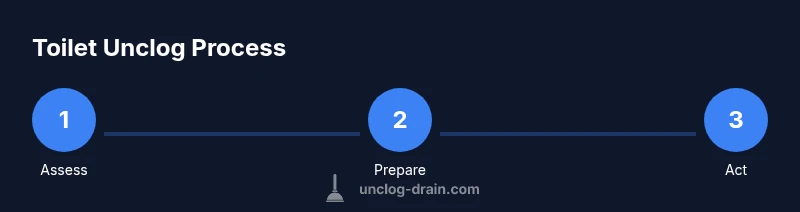
In most cases, a strategic mix of plunging, auger use, and calm testing of the flush yields the best outcome. Start with a plunger, then a toilet auger if needed. If the water remains at risk of overflowing or the clog is stubborn, pause and call a pro. By following a structured process, you protect your home from water damage and maintain a cleaner, safer bathroom environment.
How this approach fits real-world scenarios
Not exactly a 1-size-fits-all solution; the ideal method varies with the clog type, household plumbing, and whether other fixtures are affected. Use mechanical methods first, reserve chemical cleaners for rare cases and only under guidance. Remember the goal: restore normal drainage with minimal mess and risk.
Tools & Materials
- Plunger (flange plunger)(Suction-type with a flange; ensure it's clean and fits toilet bowl.)
- Toilet auger / toilet snake(6-18 inch flexible cable; use slow, controlled turns)
- Rubber gloves(Protect hands from waste and bacteria)
- Old towels or rags(For protecting floor and catching spills)
- Bucket(To catch water if you need to bail)
- Flashlight(Optional for dark bowls or inspect trap)
- Dish soap (optional)(Can help lubricate; avoid mixing with caustics)
Steps
Estimated time: 20-40 minutes
- 1
Prepare the area and safety gear
Put on rubber gloves and old towels to protect skin and surfaces. Clear the space, remove fragile items, and place a bucket handy to bail any overflow. Check that the bathroom is well lit and you have a clear path to retreat if water starts to rise.
Tip: Have towels within reach and test the water level before you start to gauge risk. - 2
Assess the clog and choose an initial method
Look at the water level, determine if the blockage is visible, and decide whether to start with a plunger or move straight to a toilet auger. If the water is high, bail a portion into the bucket to reduce overflow risk before applying any tool.
Tip: If unsure, start with the plunger; it’s safer and often effective. - 3
Use the plunger correctly
Position the plunger to seal around the drain opening. Use firm, controlled pushes straight down and pull back without lifting the seal. Pause between sets to observe any movement in the water level.
Tip: Keep the seal intact and avoid prying the plunger off the bowl. - 4
Try the toilet auger if plunging fails
Feed the auger into the trap and rotate gently as you advance. When you feel resistance, rotate to break the clog and pull back slowly to remove debris. Repeat as needed, avoiding forceful jamming.
Tip: Don’t force the auger beyond resistance; forcing can damage the toilet or pipe. - 5
Test the flush and consider safe alternatives
After the plunger/auger, slowly attempt a flush to check for restoration of flow. If it’s still blocked, consider using hot water (not boiling) and dish soap as a last-resort lubrication, but avoid caustic chemicals in toilets.
Tip: Never mix cleaners or use boiling water in porcelain toilets. - 6
Clean up and sanitize
Rinse tools with clean water, wipe down surfaces, and wash hands thoroughly. Dry the floor and bag or rinse towels before reuse. Re-test the toilet to ensure it’s fully functional and monitor for any signs of re-clogging.
Tip: Sanitize the bathroom and tools to prevent any lingering bacteria.
Common Questions
Do you need to flush a toilet to unclog it?
Not always. Many clogs can be addressed with a plunger or toilet auger before flushing, depending on water level and clog severity.
Usually you can unclog with plungers or an auger first; flushing can be tested after.
Are chemical toilet cleaners safe to use?
Most chemical cleaners are not recommended for toilets; they can damage seals, septic systems, and pose safety risks.
Chemicals can damage pipes and septic systems, so use them with caution.
Can I use hot water to unclog a toilet?
Hot water can help loosen clogs, but never use boiling water in porcelain toilets as it can crack the bowl. Use hot tap water instead.
Use hot tap water, not boiling water, to soften a clog safely.
When should I call a plumber?
Call a plumber if plunging and an auger fail to restore flow, or if sewage backs up or multiple drains are affected.
If it won’t clear after attempts, or you have backup, contact a professional.
Why do toilets clog in the first place?
Common causes include too much toilet paper or flushing non-flushable items; regular maintenance helps.
Clogs happen when items or paper overload the trap and drains.
Are there safer alternatives to chemical cleaners?
Yes—mechanical methods (plunger and auger) plus safe household solutions like hot water and a small amount of dish soap can help.
Try mechanical methods first and use safe household methods when possible.
Watch Video
Key Points
- Start with mechanical methods before chemicals.
- Use the plunger correctly to maximize suction.
- Avoid chemical cleaners in toilets to prevent damage.
- Call a plumber if the clog persists or there is backup.
- Prepare and clean up properly to minimize mess.