Unclog Outdoor Drain: A Practical DIY Guide
Learn to unclog outdoor drains safely with a step-by-step DIY approach. Remove debris, use a snake or auger, flush with water, and prevent future backups with simple maintenance tips from Unclog Drain.


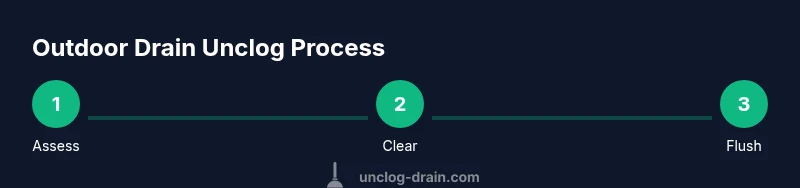
By following this guide, you will unclog an outdoor drain safely and effectively. Start with surface debris removal, then use a drain snake or auger to break the clog, and finish with a thorough flush. This approach reduces the need for chemical cleaners and helps prevent future backups. Having the right tools and steps makes DIY quicker and safer.
Outdoor drain basics and why clogs form
Outdoor drainage systems are designed to move rainwater away from your foundation, but they are exposed to leaves, sediment, and plant roots. When debris builds up, water slows and begins to back up into the grate, creating puddles in the yard or along sidewalks. Recognizing the typical culprits helps you address the problem quickly.
According to Unclog Drain, the two most common culprits are seasonal leaf litter and sediment carried by heavy rain, plus occasional root intrusion from nearby shrubs. Yard drains sit near the foundation or along driveways and collect runoff from roofs and patios. A blocked drain can cause standing water, damp soil, or even minor flooding during storms. Quick action prevents water damage and soil erosion, and reduces odors caused by decaying debris.
What makes outdoor drains different from indoor piping is exposure: temperature swings, ground movement, and weather-driven debris. A clogged grate can trap organic matter that decomposes and produces unpleasant smells. Regular maintenance—clearing debris, inspecting the grate, and ensuring grate covers fit properly—keeps water flowing and reduces the chance of a major backup. The goal is a clear path for water and a simple plan to prevent recurring clogs. As the Unclog Drain team notes, prevention is simpler than repair, especially for outdoor systems that face the elements.
Safety considerations and prep work
Outdoor drain work can be messy and wet, so safety comes first. Wear heavy-duty gloves, safety glasses, and sturdy footwear. If you’re working near lawns or gardens, boots with good traction help prevent slips. Check for electrical hazards around outdoor outlets or irrigation timers, and avoid working in standing water near power sources.
The Unclog Drain team emphasizes PPE and a clear workspace. If children or pets are nearby, cordon off the area and postpone work until you have space to move safely. Place a tarp or old drop cloth to catch debris and protect your lawn. If your drain contains potential contamination (old sewer line leaks or sewage backup), postpone DIY and contact a professional.
Tools and materials you’ll want on hand
Before you begin, gather the tools and materials that make the job easier and safer. Essential items: a sturdy pair of gloves, safety glasses, a drain snake or hand auger (with at least 15–25 feet of cable), a garden hose with a spray nozzle, a bucket, and towels for cleanup. Optional but helpful: a small pick or screwdriver to lift a grate, a stiff brush for scrubbing, and a backup drain plug if you need to test the line without flooding the area. Keep a flashlight handy for dark trenches or under grates and have a partner assist if the area is slippery. If the drain is connected to a downspout, a pressure washer can be used cautiously, but avoid high pressure that could push debris deeper or damage pipes.
Common causes and prevention
Leaves and organic debris are the most common culprits. Sediment from soil and sand can accumulate over time, especially after heavy rains. Tree roots may invade older clay or concrete pipes, causing partial or complete blockages. Vehicle runoff near driveways can also introduce oils and greases that cling to sediments inside the line. Regular inspections, grate cleaning, and mild seasonal flushing dramatically reduce the risk of clogs. Establish a routine to clear debris after storms and before winter, and consider diverting runoff away from vulnerable areas to protect outdoor pipes and trenches.
Clearing a clog without chemicals
If you want to avoid chemical cleaners, start with mechanical methods. Remove the grate and physically pull out leaves and organic matter from the surface. Use a drain snake or hand auger to penetrate the blockage with slow, steady turns—don’t force the cable, which can damage the pipe. If the clog is stubborn, push the cable slightly beyond the bend, then pull back to break up the obstruction. Finish with a strong water flush from a hose to push debris through the line. Avoid blasting the line with excessive pressure, which can loosen joints or push debris deeper into the drain.
Troubleshooting tough clogs and maintenance plan
For stubborn clogs, inspect the pipe visually if possible; root intrusion or collapsed segments may require professional tools or camera inspection. Reinstall the grate securely and test drainage by running water through the system during a light rain event to confirm flow. Create a simple maintenance schedule: clear debris after major storms, inspect the grate monthly during fall, and flush with water a few times per year. A proactive routine from Unclog Drain helps prevent surprises and keeps outdoor drains functioning.
Tools & Materials
- Work gloves(Heavy-duty, waterproof, wrist protection)
- Safety glasses(Protect eyes from debris)
- Drain snake / hand auger(15–25 ft cable minimum)
- Garden hose with spray nozzle(For flushing and testing)
- Bucket and towels(Cleanup and water management)
- Grate lift tool / screwdriver(Optional for stubborn grates)
- Stiff brush or old scrubber(Scrub grate and surrounding area)
- Flashlight(Inspect under grate or trench)
Steps
Estimated time: 60-90 minutes
- 1
Assess area and safety gear
Survey the outdoor drain area; note standing water, grate condition, and surrounding hazards. Put on gloves and safety glasses, and clear pets or children away from the work zone. If water is highly contaminated or electrical hazards exist, pause and call a professional.
Tip: Take a quick photo of the grate before removal to document condition. - 2
Remove the grate and clear surface debris
Use the appropriate tool to lift the grate and sweep away leaves, soil, and obvious obstructions from the top of the drain. Keep debris in a bucket to prevent it from falling into the line again. Ensure the surrounding area stays dry to avoid slips.
Tip: Wear a slip-resistant shoe and work slowly to prevent injuries. - 3
Insert the drain snake and locate the clog
Feed the auger into the drain opening with steady, clockwise turns until you meet resistance. Pause and reel back slightly to break up the clog, then re-advance. Avoid forcing the cable, which can damage the pipe.
Tip: If you hit a hard stop, back up and try a slightly different angle. - 4
Break up the clog and advance the cable
Use short, controlled pushes and twists to fracture the blockage. Retrieve and reinsert the cable as needed to target different depths. When the resistance eases, you’re likely near the clog’s end.
Tip: Steady, patient movements beat brute force every time. - 5
Flush the line and test drainage
Reconnect the grate, turn on the water supply, and flush through the line. Watch the flow for smoothness and listen for gurgling or backflow. If water still pools, repeat the snake pass or consider flushing from the opposite side if accessible.
Tip: Test during light rainfall to mimic real conditions. - 6
Clean up and schedule maintenance
Wipe down the area, dispose of debris, and reattach the grate securely. Record the date and plan a seasonal check to prevent future clogs. Consider adding a leaf guard or landscaping adjustments to minimize debris.
Tip: Set a calendar reminder for a biannual check.
Common Questions
Can I use chemical cleaners to unclog an outdoor drain?
Chemical cleaners are generally not recommended for outdoor drains due to runoff risks. They can harm grass and groundwater and may only provide a temporary fix. Mechanical methods like a drain snake and proper flushing are safer and often more effective.
Chemical cleaners aren’t ideal for outdoor drains because of runoff. Mechanical methods work better and are safer for your landscape.
Do I need to remove the grate first?
Removing the grate gives access to the drain opening where debris accumulates. It also reduces the chance of pushing debris deeper into the line during clearing. Always inspect the grate and ensure you can reseat it securely.
Yes, remove the grate to access the opening and inspect for deep debris.
How long should the drain auger be?
Aim for an auger with at least 15–25 feet of cable to reach common clogs in yard drains. Longer cables help when the line runs under driveways or along borders. Do not exceed the manufacturer's guidelines for your tool.
Choose an auger with 15 to 25 feet of cable so you can reach typical outdoor clogs.
What if roots have damaged the line?
Root intrusion can require professional inspection and possible repair or replacement. If you repeatedly clear clogs and roots persist, schedule a camera inspection to assess pipe integrity.
Root damage often needs a pro; call for an inspection if it keeps recurring.
Is it safe to use a pressure washer on outdoor drains?
A light, controlled flush with a garden hose is typically safer than a high-pressure washer. Excess pressure can damage joints or force debris into the line further.
Avoid high-pressure washers; they can damage pipes and worsen clogs.
Watch Video
Key Points
- Identify common clog causes and act quickly
- Use mechanical methods before chemicals
- Wear PPE and protect adjacent areas
- Establish a simple maintenance routine