How to Unblock a Drain with Cleaner: A Practical DIY Guide
Learn how to unblock drains safely using cleaner products, tools, and proven steps. This Unclog Drain guide covers choosing cleaners, practical methods, safety precautions, and maintenance to prevent future clogs.


You will learn how to unblock a drain safely with a cleaner-based approach, selecting the right product, and using mechanical methods when needed. This quick guide highlights prep, proper application, and safety steps to avoid damage to pipes or yourself. It sets expectations for different drains and what works best in common scenarios.
What is unblock drain cleaner and when to use it
An unblock drain cleaner is a product designed to dissolve or loosen clogs in household drains. It can be enzymatic (biological) or chemical (acid or base). Enzymatic cleaners work slowly but are gentler on pipes, while chemical cleaners act quickly on hair, soap, grease, and food particles. When choosing a product, consider the type of drain (kitchen, bathroom, shower) and the pipe material. According to Unclog Drain, using the right cleaner for your drain and following the label instructions reduces risk to people and pipes and improves the odds of a successful clearance on the first try. In addition, the right cleaner should be compatible with your plumbing material (PVC, copper, or metal) and should clearly indicate the maximum diameters it can treat. This guidance helps homeowners avoid triggering chemical reactions with incompatible cleaners or applying the product where it won’t reach the clog.
Safety first: precautions and prep
Before you reach for a cleaner, prepare the workspace and protect yourself. Put on rubber gloves and eye protection, and ensure good ventilation by opening a window. Clear the area around the sink or drain to catch spills with towels or a bucket. Read the cleaner’s label thoroughly—do not mix cleaners with different chemicals, and never use a cleaner intended for toilets on sinks or showers unless the label explicitly says it’s safe. Have a plunger, a drain snake, and a bucket ready so you can switch to mechanical methods if the cleaner doesn’t solve the problem. If you have children or pets, keep them away from the work area. Finally, check the drainage path: if water backs up into other fixtures, stop and reassess to avoid flooding.
Choosing the right cleaner and technique
Not all drain cleaners are the same. Enzymatic cleaners rely on organisms to break down organic material and are safer for frequent use and older pipes, but they require time to work. Chemical cleaners deliver fast results but can damage pipes if misused or used too often. For metal pipes, avoid products with highly reactive corrosives; for plastic pipes (PVC), ensure compatibility and use the recommended amount. For kitchen drains, a combination approach often yields the best results: mechanical methods to loosen a portion of the clog, followed by a cleaner to tackle remaining material. For toilets, use a toilet-specific cleaner or a toilet auger rather than a standard drain cleaner to avoid damage to the porcelain and seals. Always follow the label’s instructions for dosage and wait times, and never exceed the stated contact time.
Step-by-step plan for common scenarios
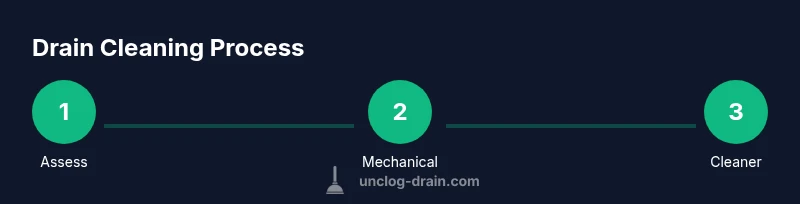
In this section we outline practical steps you can apply to different drains. The kitchen sink and bathroom sink share many steps, while showers may require a different approach due to standing water and hair buildup. The plan below assumes a standard undersink trap and accessible P-trap. If the clog is beyond the trap or involves the main line, stop and seek professional help. Start by removing standing water with a cup or bowl, then attempt a mechanical method if appropriate. If a cleaner is used, apply it as directed, wait the prescribed time, and flush with hot water to clear the residue. If the clog remains, repeat or switch to a snake, keeping your safety gear on and avoiding forceful plunging that could splinter the pipe.
Mechanical methods vs chemical cleaners: when to use each
Mechanical methods (plungers and drain snakes) are often safer for occasional clogs and prevent exposure to harsh chemicals. They also let you physically disrupt the clog and push it through the pipe. Chemical cleaners can be effective for organic buildup, but they carry risks to skin, eyes, and pipes, especially if used repeatedly or mixed with other cleaners. A prudent approach is to start with mechanical methods, then use a cleaner only if the clog persists and the product label confirms compatibility. Never use both a mechanical tool and a cleaner at the same moment, as mechanical action can splash the cleaner and cause injury. For persistent or recurring issues, consider professional assessment to identify structural problems such as damaged pipes or misaligned traps.
Aftercare and maintenance to prevent future clogs
Once the drain is cleared, take preventive steps to keep flow steady. Use a hair catcher on bathroom drains and avoid pouring grease or coffee grounds down the kitchen sink. Run hot water for 15-30 seconds after each use, especially when using a cleaner, to help flush residues through the system. Periodically refresh traps and remove or clean debris from the U-bend to reduce buildup. Consider periodic maintenance with enzymatic cleaners (every 2-6 months) if you frequently encounter clogs, as these can help manage organic buildup without harsh chemicals. Finally, schedule routine inspections if you notice slow draining, gurgling sounds, or foul odors, as these can signal deeper problems.
Troubleshooting persistent clogs and safety reminders
If the clog persists after attempting a cleaner and/or a snake, don’t force the pipe. Persistent clogs may indicate a more serious issue such as a collapsed pipe, a foreign object, or a venting problem. In such cases, contact a licensed plumber to diagnose the cause and prevent further damage. Safety reminders: never mix cleaners, never use metal tools in plastic pipes, and never ignore standing water that indicates a potential main-sewer backup. If you experience chemical burns or strong fumes, evacuate and contact emergency services if necessary. This approach aligns with best practices from Unclog Drain and supported safety guidelines from reputable sources.
AUTHORITY SOURCES
For further reading and safety standards, consider these credible references:
- https://www.epa.gov/saferchoice
- https://www.osha.gov
- https://www.cdc.gov
Tools & Materials
- Rubber gloves(Heat-resistant, waterproof gloves for chemical handling)
- Safety goggles(Protect eyes from splashes)
- Plunger (cup plunger)(Use on sinks; toilet requires a toilet plunger)
- Drain snake / auger(3-6 ft manual snake works for most common clogs)
- Unblock drain cleaner(Choose enzymatic or chemical based on drain type and label)
- Bucket(Catch spills and collect any standing water)
- Old towels or rags(Protect surfaces and absorb spills)
- Kettle or pot of hot water(Helpful for flushing after cleaner use (not for plastic pipes when hot))
Steps
Estimated time: 30-60 minutes
- 1
Assess the clog and area
Survey the drain and remove standing water if possible. Identify the drain type (kitchen, bathroom, or shower) and check the P-trap access. This helps determine whether to start with a mechanical method or proceed to cleaner use.
Tip: Take a before photo of the pipe area to track progress and identify what changes after each step. - 2
Shut off water and prep workspace
Close the sink or shower valves if feasible to prevent backflow. Lay towels; place the bucket under the trap to catch spills. Put on gloves and goggles before handling any cleaners or tools.
Tip: Ventilate the area; avoid inhaling fumes from chemical cleaners. - 3
Try a mechanical method first
If there is visible water, attempt a plunger using firm, consistent pressure. For deeper clogs, use a drain snake to dislodge material. Move slowly to avoid puncturing or deforming the pipe.
Tip: Ensure a good seal with the plunger for effective suction. - 4
Apply the unblock drain cleaner
Follow the label directions precisely: measure the correct amount, pour into the drain, and allow the specified wait time. Do not mix cleaners or use more than recommended. Keep the area well-ventilated.
Tip: Never use a cleaner if the pipe is already warm from hot running water; wait for a cooler moment to avoid reactions. - 5
Flush and test the drain
After the wait period, flush with hot water (if the label allows) and run water to test drainage. If the water drains slowly, repeat with mechanical or cleaner method as appropriate.
Tip: Use a measured amount of hot water to avoid sudden pressure surges. - 6
If needed, use a snake for persistence
Insert the snake slowly, rotate capturing material until you feel resistance ease. Withdraw, clean the head, and reinsert as needed. Test drainage again.
Tip: Do not force the snake; gentle, controlled movements reduce risk of pipe damage. - 7
Clean up and maintain
Wipe surfaces, wash tools with water, and store cleaners securely. Replace or clean the hair catcher to prevent future buildups. Document maintenance in a home log for future reference.
Tip: Schedule routine maintenance every few months if you experience regular clogs.
Common Questions
What is unblock drain cleaner and when should I use it?
An unblock drain cleaner is a product designed to dissolve or loosen clogs. Use enzymatic cleaners for gentler, long-term maintenance and chemical cleaners for quicker results on stubborn buildups. Always read the label for drain compatibility and safety precautions.
Unblock drain cleaner helps dissolve clogs. Enzymatic types are gentler, while chemical cleaners work faster—check the label for safety guidance.
Can I use any cleaner on plastic pipes?
Most cleaners specify compatibility with plastic pipes. Avoid highly caustic formulations on PVC and always follow the manufacturer’s instructions. If in doubt, start with a mechanical method and consult a professional for persistent clogs.
Check the label for plastic-pipe compatibility. If unsure, try mechanical methods first and seek help for stubborn clogs.
Is it safe to pour hot water after applying a cleaner?
Some cleaners permit hot water flushes; others require cool or room-temperature water. Always follow the label. If uncertain, wait the recommended time and use warm water to avoid pipe damage.
Follow the label about hot water. When unsure, wait the time specified and use warm water instead of boiling.
What should I do if the clog persists after using cleaner?
If the clog remains after one treatment, reassess with a mechanical method or snaking. Do not over-pour cleaners or mix products. If unresolved, contact a licensed plumber to diagnose potential pipe issues.
If it still won’t drain, try mechanical methods again or call a plumber for deeper issues.
How often should I perform maintenance to prevent clogs?
For households with recurring slow drains, consider a light maintenance routine every 2-6 months using enzymatic cleaners and regular drain traps cleaning.
Do light maintenance every few months to keep drains flowing smoothly.
Are there safer alternatives to chemical cleaners?
Yes. Enzymatic cleaners and mechanical methods (plunger, snake) are safer and gentler on pipes. Regular flushes with hot water and hair-catcher use also reduce buildup and the need for cleaners.
Enzymatic cleaners and mechanical methods are safer than harsh chemicals, and regular flushing helps prevent clogs.
Watch Video
Key Points
- Identify the clog type and choose the right cleaner.
- Prioritize safety: gloves, goggles, ventilation.
- Combine mechanical methods with cleaners when needed.
- Maintain drains with preventive habits and routine checks.