How to Unclog Toilet Jets: Rim Jet Cleaning Guide
Safe, step-by-step methods to unclog toilet jets. Learn rim jet cleaning, siphon maintenance, essential tools, safety tips, and when to call a plumber for stubborn blockages.


Goal: unclog toilet jets by cleaning the rim jets to restore full flushing. This guide shows safe, effective methods you can perform with common household tools, without special gear. You’ll learn quick diagnostics, best-practice cleaning steps, and pro tips to prevent repeats. Follow the steps, use proper safety gear, and know when to call a plumber for stubborn blockages.
Understanding how toilet jets work and why they clog
Toilet jets, sometimes called rim jets, spray water around the bowl rim during a flush. When mineral deposits, mineral-rich hard water, or debris accumulate, these jets can narrow or clog, reducing water flow and weakening the flush. A clog here often causes a sluggish bowl and a lingering smell as waste struggles to clear. Regular attention to the rim jets helps maintain a strong flush and prevents more serious clogs deeper in the drain. According to Unclog Drain, rim-jet maintenance is one of the most effective DIY steps homeowners can take to protect their toilet’s performance. This section explains how the system is designed to work and what signs indicate the jets need attention. The rim jets are small, but their role is essential for even distribution of water and proper bowl cleaning during every flush.
Key concepts: rim jets, bowl siphon, trap, hard water buildup, and early warning signs like slow drainage after flushing.
Common causes of rim-jet clogs
Rim-jet clogs are usually caused by mineral buildup from hard water, iron deposits, or calcium that gradually coats the tiny jet openings. Other culprits include paper fibers, dental floss remnants, and general household debris that get sucked into the rim area during flushing. Over time, cleaning products and cleaners can leave films that attract dirt, further narrowing jet paths. In some cases, improper use of chemical cleaners can erode gaskets and seals, worsening performance. Regular inspections help catch these issues before a full clog forms. From a maintenance perspective, knowing the common culprits helps you target cleaning efforts efficiently. Unclog Drain emphasizes that frequent minor cleanings are far easier than dealing with a stubborn, deep clog later.
Safety prep and setup
Safety should come first when you tackle toilet jets. Start by gathering your tools and putting on gloves and eye protection to guard against splashes. If your toilet has a shut-off valve, consider turning off the water supply during the procedure to minimize overflow risk. Clear the area around the toilet and lay down towels or rags to catch spills. Ventilate the bathroom if you’ll be using any cleaners, and never mix chemicals in the bowl. For best results, test cleaners on a small area first and avoid mixing acids with ammonia-based products. By preparing thoroughly, you’ll work cleaner and more confidently. The Unclog Drain team recommends taking it slow and verifying each step before proceeding to the next.
Mechanical cleaning approach: rim jets first
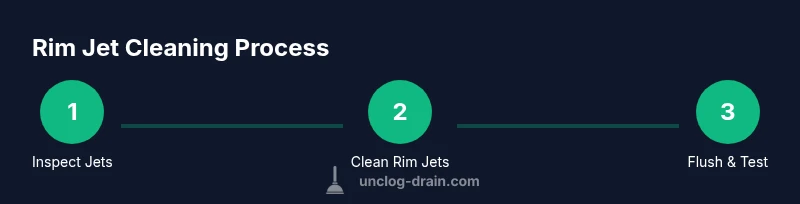
Start with mechanical cleaning to avoid harsh chemicals when possible. A stiff-bristled toothbrush or a dedicated jet-cleaning brush can dislodge mineral deposits from each rim jet. Hold the brush at a slight angle to reach into the tiny openings and scrub with firm, steady strokes. If some jets remain stubborn, switch to a more targeted tool—like a plastic dental pick or a flexible wire—being careful not to scratch the porcelain. After you agitate debris, flush the rim jets with clean water to see if the water flow improves. This approach minimizes chemical exposure while restoring jet function. If you have access to a turkey baster or syringe, you can spray a controlled stream into the jets from above to dislodge residues.
Deep cleaning the siphon and trap area
If rim jets are clear but flushing remains weak, the issue may lie deeper in the siphon or trap. A toilet auger or snake can be used carefully to reach past the bend into the trap arm. Insert the auger and rotate slowly, applying gentle pressure to pull debris free rather than forcing a blockage. Avoid forcing metal tools against porcelain to prevent cracks or chips. Once you feel the obstruction clear, flush with plenty of water to wash away loosened material. For many homes, this deeper cleaning resolves the issue and eliminates recurring clogs that frustrate the family.
Maintenance tips to prevent future clogs
Prevention matters as much as cleaning. Schedule regular rim-jet inspections and light cleanings every few months, depending on water hardness and usage. Consider installing a mild, bathroom-safe cleaner used sparingly to prevent buildup, but avoid harsh chemical drain cleaners that can degrade gaskets. Keep a small routine: check the rim jets during routine cleaning, and address mineral buildup before it becomes a problem. If you live in an area with very hard water, a preemptive softening solution or a periodic descale may be worthwhile. By staying proactive, you’ll minimize the risk of future clogs and keep the toilet flushing strong. The Unclog Drain team notes that consistency is more effective than aggressive, infrequent cleanups.
Troubleshooting stubborn clogs and next steps
If you still experience a weak flush after rim-jet and siphon cleaning, there may be a more extensive sewer-line issue or a partial blockage downstream. In this case, avoid repeated aggressive plunging which can damage seals and fixtures. Reassess with a plumber’s eye: check the entire drain path, including the trap, waste line, and sewer cleanout. Document recent maintenance activities and water hardness levels to share with a professional. If a DIY approach has worked in the past but fails again, trusting a licensed plumber ensures a thorough assessment and prevents damage to your plumbing system. Unclog Drain recommends seeking professional input when signs persist after multiple cleaning attempts.
Tools & Materials
- Toilet plunger (bellows or flange type)(Choose a plunger with a good seal; ensure the rubber is intact.)
- Toilet auger / snake(Flexible, plastic-coated auger preferred to avoid scratching porcelain.)
- Rubber gloves(Protect hands from waste and cleaning agents.)
- Safety goggles(Eye protection for splashes when plunging or snaking.)
- Plastic syringe or turkey baster(For forcing water into rim jets and flushing debris.)
- Mild cleaner or white vinegar(Optional, for gentle descaling; avoid aggressive chemical cleaners.)
- Old towels or rags(Catch drips; protect flooring.)
- Bucket(Contain wastewater during cleaning steps.)
- Flashlight(Illuminates hard-to-see jet openings.)
Steps
Estimated time: 25-60 minutes
- 1
Prepare and inspect
Put on gloves and safety goggles. If your toilet has a shut-off valve, consider turning it off to prevent overflow. Remove the tank lid (if accessible) and inspect rim jets visually for obvious deposits.
Tip: Having a clear work area reduces splash risk; take a quick photo if you plan to reference maintenance later. - 2
Remove excess water
Use a cup or sponge to remove water from the bowl so you can access the rim jets. Leave a small water level if needed to see jet spray during tests.
Tip: Work slowly to avoid splashing; keep towels within reach. - 3
Clean rim jets with a brush
Use a stiff-bristled brush to scrub around each rim jet. Focus brushing along the jet openings from multiple angles to loosen mineral buildup.
Tip: Angle the brush toward the jet openings without pressing too hard to avoid scratching. - 4
Flush jets with controlled water
Fill a syringe or baster with clean water and direct a controlled stream at each jet. Observe improvement in water spray and flow.
Tip: Do not use boiling water; heat can crack porcelain. - 5
Deep-clean siphon with an auger
Insert the auger into the bowl and twist slowly toward the bend to reach the trap. Stop if you feel resistance—forcing can cause damage.
Tip: Rotate steadily and maintain light pressure; avoid bending the auger aggressively. - 6
Test flush and reassess
Flush the toilet several times to confirm jets and siphon are clear. If water still drains slowly, repeat rim-jet cleaning and consider deeper siphon work.
Tip: Document results; if not improved after two attempts, plan professional help.
Common Questions
What causes toilet jets to clog?
Jets clog mainly from mineral buildup, especially in hard water areas, plus paper fibers and debris. Regular care prevents stubborn blockages. If you notice recurring slow flushing, clean the jets and inspect the siphon area.
Jets clog mainly due to mineral buildup and debris. Regular cleaning helps prevent blockages, and you should inspect both the rim jets and siphon if flushing remains weak.
Can chemical cleaners help unclog rim jets?
Harsh chemical cleaners can damage seals and porcelain and are not ideal for rim-jet blockages. Mechanical cleaning with brushes and controlled flushing is safer and often effective.
Harsh chemicals can damage your toilet. Prefer mechanical cleaning and gentle flushes for rim-jet blockages.
Is it safe to use a toilet auger on rim jets?
Use a toilet auger for deeper blockages beyond the rim jets. Avoid forcing metal parts into the rim area to prevent cracks and damage.
A toilet auger helps only for deeper clogs; be gentle near the rim to avoid damage.
When should I call a plumber for toilet jet clogs?
If multiple cleaning attempts fail, or clogs recur after cleaning, professional assessment ensures safe, thorough remediation and checks for downstream issues.
Call a plumber if cleaning doesn’t resolve the issue or clogs keep coming back.
Do rim jets affect flushing performance?
Yes. Clogged rim jets reduce water distribution around the bowl, weakening the flush. Cleaning them usually restores performance.
Clogged rim jets can weaken the flush; cleaning them often restores performance.
How often should I clean toilet jets?
In areas with hard water, inspect and clean rim jets every few months. More frequent maintenance may be needed in homes with high mineral content.
Check and clean rim jets every few months, especially where water is hard.
Watch Video
Key Points
- Inspect rim jets regularly to prevent buildup.
- Use gentle mechanical cleaning first to avoid damage.
- Test after cleaning to confirm improvement.
- Know when to call a plumber for persistent clogs.
- Maintain a routine to reduce future issues.