Different Ways to Unclog a Shower Drain: A DIY Guide
Learn practical, safe methods to unclog a shower drain—from hot-water flushes and plungers to drain snakes and enzymatic cleaners—plus a clear, stepwise guide and safety tips.


You can unblock a shower drain using several approaches with common household tools. Start with safer, low-risk methods like hot water flush, plunger, or a drain snake, then move to enzymatic cleaners or manual cleaning of the trap. This guide covers multiple methods so you can choose what fits your situation and avoid professional costs.
Understanding Shower Drain Clogs
Shower drain clogs are typically a mix of hair, soap scum, and mineral buildup that accumulate around the drain and in the P-trap. According to Unclog Drain, hair is a leading contributor to blockages in residential showers, especially when combined with soap residues that form a sludge-like layer. Over time, this combination narrows the passage and slows drainage, creating standing water and odor. Recognizing the common culprits helps you target the right method: manual hair removal for the surface, followed by deeper cleaning to clear the pipe behind the trap. Regular maintenance—like a weekly rinse and a hair catcher—reduces buildup and extends the time between major clogs.
Safety First: Protect Yourself and Your Home
Before you begin any unclogging work, protect yourself and your plumbing. Wear rubber gloves and keep a bucket handy for the dirty water. If you have ceramic tile or a fiberglass shower surround, avoid aggressive tools that could scratch surfaces. Never mix chemical cleaners unless you intend to, and never pour caustic products down a clogged shower drain with standing water still present. If you smell sewage, there is sewage backup, or you notice leaking, stop immediately and call a licensed plumber. These precautions minimize risk to your skin, eyes, and home.
Quick Wins You Can Try Today
Start with the simplest methods, which often solve the problem without tools:
- Pour a kettle of near-boiling water down the drain (in gradual stages) to loosen soap scum and hair clumps.
- Use a cup plunger with a flange to create seal and push the clog free. Do not over-primp the plunger; a few firm pushes often break the blockage.
- If the water still drains slowly, mix 1/2 cup baking soda with 1 cup vinegar, pour slowly, and let it fizz for 15-30 minutes before flushing with hot water. This natural approach can loosen deposits without harsh chemicals.
These quick wins are low-risk and widely effective for minor clogs. If they fail, proceed to mechanical methods described below.
Mechanical Methods: Plunger, Snake, and When to Use Them
When quick wins don’t fully clear the clog, mechanical tools offer a higher level of control:
- Plunger: Position the plunger over the drain and push and pull with steady force to break the blockage. The suction helps dislodge hair and sludge.
- Drain snake (auger): Feed the cable into the drain, rotating as you push to break up the clog and snag hair. Retract slowly to pull debris out.
- Hand auger or drain cleanout tool: For tougher clogs, a small hand auger can reach deeper into the pipe behind the drain trap. Use gentle rotations to prevent pipe damage.
Safety note: Do not force tools through the pipe; gentle, deliberate movements are more effective and safer.
Natural Remedies: Soda, Vinegar, and Hot Water
Natural remedies are gentler than chemical cleaners and can be surprisingly effective for light blockages:
- Baking soda and vinegar: A quick sprinkle of baking soda followed by vinegar can soften buildup and fizz debris loose. Let it sit for 15-30 minutes, then flush with hot water.
- Hot water flush: After using baking soda and vinegar, rinse with a large amount of hot water to carry debris away.
- Enzymatic cleaners: If blockages persist, consider an enzymatic cleaner designed for hair and soap buildup. Allow the product to sit for the recommended time before flushing.
These options reduce chemical exposure and are kinder to seals and pipes; however, they may require multiple applications for stubborn clogs.
Enzymatic Cleaners vs. Chemical Cleaners
For durable clogs, enzymatic cleaners can help by breaking down organic matter without harsh chemicals. They’re slower to work but gentler on PVC pipes and septic systems. In contrast, chemical drain cleaners act quickly but pose risks to pipe materials, finishes, and you or your pets if misused. Always follow the label instructions, never mix products, and never use them in a wet environment where splash-back is possible. If you’re unsure about the pipe material or you notice persistent issues, opt for a mechanical method first before attempting cleaners.
Inspecting the P-Trap and Cleaning Debris
If you have access to the P-trap, remove the drain cover and inspect for debris. Place a bucket underneath, loosen the trap nuts, and carefully remove the trap to clear hair and sludge. Rinse the trap with water before reassembling. Reinsert the trap securely to prevent leaks. This step often reveals clogs that are not reachable from the drain opening and prevents debris from returning to the shower.
Step-by-Step Action Plan for a Typical Shower Clog
A practical plan combines the above techniques in a safe sequence:
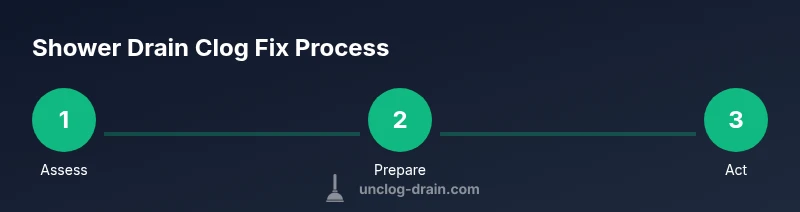
- Remove standing water and install a hair catcher. 2) Try a hot-water flush, then a baking soda-vinegar treatment. 3) Use a plunger to dislodge the clog. 4) If needed, operate a drain snake to break up the blockage. 5) Inspect and clean the P-trap if accessible. 6) Test drainage and perform a final flush. 7) If the clog persists, contact a plumber.
Maintenance & Prevention Tips to Keep Drains Clear
Preventing clogs is easier than removing them. Implement these habits:
- Install a fine-mesh drain screen and clean it weekly.
- Flush the drain with hot water after each shower to reduce soap buildup.
- Schedule a monthly check for hair accumulation and remove hair from the drain opening.
- Consider a professional inspection if your home has old piping or frequent blockages.
Effective prevention reduces the need for drastic measures and helps your plumbing run smoothly year-round.
What to Do If the Clog Persists Despite Your Efforts
If none of the above methods solve the problem, you may have a deeper obstruction in the main line or a misalignment in the pipes. Do not continue aggressive chemical washing; instead, stop and contact a licensed plumber. A professional can diagnose whether the issue is a loose trap, a collapsed pipe, or a main line clog that requires specialized equipment. Persistently slow drains can signal more serious problems that home remedies cannot fix.
Tools & Materials
- Cup plunger with flange(Create a tight seal over the drain for effective plunging)
- Drain snake / auger(6-10 ft flexible cable works best for showers)
- Bucket or container(Catch water and debris as you work)
- Rubber gloves(Hygienic protection against dirty water)
- Old towels or rags(Contain spills and protect surfaces)
- Vinegar(Used with baking soda for a natural cleaning boost)
- Baking soda(Safe pantry option to loosen buildup)
- Boiling water(Pour carefully; avoid extreme temperature shock to pipes)
- Mesh drain screen(Prevents hair and debris from entering the drain)
Steps
Estimated time: 60-90 minutes
- 1
Remove standing water
Use a cup or sponge to remove water from the shower pan and collect it in a bucket. Clearing the water reduces splashing and gives you space to work. This also makes it easier to see hair and debris near the drain.
Tip: Work with the drain at eye level to spot clogs early. - 2
Remove drain cover and visible hair
Take off the drain cover and pull out any hair or debris you can see. A flashlight helps. Place hair into a bag or bucket so you don’t push it back into the drain when replacing the cover.
Tip: Use tweezers for tiny hairs to get thorough removal. - 3
Flush with boiling water
Carefully pour boiling water down the drain in a few gradual pours. This helps melt soap scum and loosen clogs without harsh chemicals. Do not use boiling water if you have PVC piping or a known plastic risk.
Tip: Let the water settle between pours to avoid splashing. - 4
Try baking soda and vinegar
Sprinkle baking soda into the drain, followed by vinegar. Wait 15-30 minutes as the mixture foams and loosens debris. Rinse with hot water to push the loosened material through the pipes.
Tip: Avoid mixing with existing chemical cleaners for safety. - 5
Use a plunger
Place the plunger over the drain to create a tight seal. Use firm, controlled pushes to move the clog and suction it away. Repeat a few times if necessary.
Tip: Keep the plunger fully submerged for best suction. - 6
Insert a drain snake or auger
Slowly feed the snake into the drain while turning the handle. When you feel resistance, rotate to break the blockage and pull it out. Retract slowly to avoid pushing debris deeper.
Tip: Never force the tool; gentle pressure yields better results. - 7
Inspect and clean the P-trap
If accessible, place a bucket underneath and remove the P-trap to clear hair and buildup. Rinse it thoroughly and reinstall securely to prevent leaks.
Tip: Take photos before disassembly to ensure correct reassembly. - 8
Test the drain and finish
Run water for several minutes to test drainage. Address any remaining slow flow with another gentle flush or a repeat of the mechanical method. Clean up and replace any removed screens.
Tip: If water still drains slowly, escalate to a professional.
Common Questions
What are the most common causes of shower drain clogs?
Hair, soap scum, and mineral buildup are the usual culprits in shower drain clogs. Regular cleaning helps prevent these deposits from forming a blockage.
Hair and soap scum are the common culprits behind shower clogs, so regular cleaning helps prevent blockages.
Is it safe to use chemical drain cleaners on a shower drain?
Chemical cleaners can clear some clogs quickly but may damage pipes or fixtures if misused. Follow the label, avoid mixing products, and prefer mechanical methods first when possible.
Chemical cleaners can hurt pipes; follow the label and avoid mixing chemicals. Start with mechanical methods when you can.
Can baking soda and vinegar help unclog a shower drain?
Baking soda and vinegar can loosen minor buildup and are a safe first step. They may require multiple applications for persistent clogs and work best with a final hot-water rinse.
Baking soda and vinegar can help with light clogs, but you may need to repeat and rinse well.
Should I remove the P-trap to clear a clog?
Accessing and cleaning the P-trap can clear clogs that are not reachable from the drain opening. If you’re not comfortable, call a plumber to avoid leaks or damage.
If you’re comfortable, you can remove and clean the P-trap; otherwise, call a plumber.
What should I do if the clog persists after trying these methods?
If the clog remains, you may have a deeper obstruction in the drain system. Avoid overusing aggressive cleaners and contact a licensed plumber for a diagnosis.
If it still blocks, you likely have a deeper issue—call a plumber for a proper diagnosis.
How often should I perform preventive maintenance on shower drains?
Aim for monthly prevention: clean the drain cover, remove visible hair, and flush with hot water or a mild cleaner to keep it clear.
Do a quick monthly maintenance routine to prevent clogs.
Watch Video
Key Points
- Start with safe methods before tools.
- Hair and soap scum are the top culprits.
- Mechanical tools are effective but require care.
- Enzymatic cleaners are gentler but slower.
- Prevent future clogs with maintenance.