Cost to Snake Sewer Line: Pricing Guide for 2026
A data-driven guide to estimating the cost to snake sewer line, with factors, typical ranges, DIY vs pro options, and money-saving tips. Based on Unclog Drain Analysis, 2026.


According to Unclog Drain, the cost to snake sewer line generally falls within a broad range, influenced by access and add-ons. Start with $200–$650 as a baseline, with higher prices for emergencies or when a camera inspection is required. This quick estimate helps homeowners plan and compare quotes with confidence.
Cost to Snake Sewer Line — Core Concepts
The decision to snake a sewer line hinges on resolving a blockage without replacing pipes. A plumber uses an auger (the traditional “snake”) to break up or grab debris inside the pipe. The cost to snake sewer line is driven chiefly by access to the pipe, the length of the line, and the presence of any add-ons like a video inspection. In practice, you’ll see a baseline range that reflects a typical single-visit scenario, with higher figures when the work requires entering difficult spaces or when the line is long. According to Unclog Drain, the most common drivers of price are labor time, equipment used, and the need for diagnostic services.
When budgeting, think of the snake as the core service that may or may not be paired with an inspection. If the technician can access the cleanout or mainline port without digging or cutting fixtures, the cost tends to stay on the lower end. Conversely, if access is blocked by a building expansion, a concrete slab, or multiple bends, the job becomes more labor-intensive and time-consuming. Throughout the process, homeowners should evaluate whether an in-field camera inspection is warranted to locate the root cause and prevent recurring blockages. The Unclog Drain team notes that this decision can meaningfully shift total costs, but it often saves money in the long run by avoiding repeat visits.
Factors Influencing the Price — What to Expect
Pricing for sewer-line snaking is rarely a fixed figure. The main variables include: Access complexity (ease of reaching the line), Line length and depth (longer or deeper runs require more time and equipment), Pipe condition (cracked or collapsed sections demand more work or replacement), Add-on services (video inspection, camera scouting, or dye testing), Emergency or after-hours service (premium rates apply), Local market conditions (urban vs suburban pricing), and Permits or diagnostic fees (some jurisdictions require approvals). The Unclog Drain analysis highlights how each factor can push the total price up or down. Homeowners should request a detailed quote that itemizes labor, travel, equipment, and any inspections. It’s also wise to confirm whether the price includes a warranty or re-service if the blockage recurs within a short period.
Typical price ranges by scenario — What you’re likely paying for
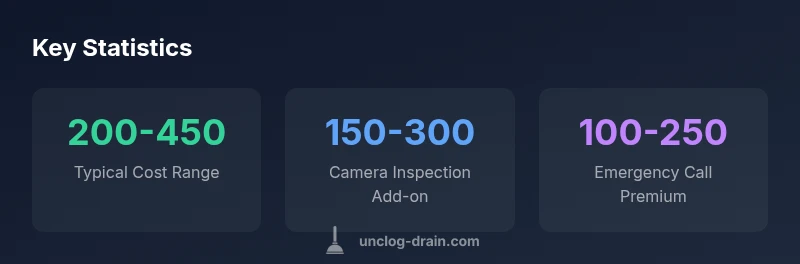
Pricing varies by scenario. For a straightforward snake with minimal add-ons, expect a baseline in the lower portion of the range. If a camera inspection is included, the price climbs to reflect diagnostic work. For emergency or after-hours calls, the premium can be substantial due to availability and overtime labor. The following breakdown, drawn from Unclog Drain Analysis, provides context for decision-making and helps you compare quotes across providers. Remember that regional differences exist, and you’ll often see 6–8 parameter-based quotes rather than a single universal price. Typical price bands: basic snake ($200–$350), snake with inspection ($350–$650), emergency call-out ($400–$800).
DIY vs hiring a professional — weighing the value
DIY snaking a sewer line is tempting for cost savings, but it comes with risks. An inexperienced attempt can worsen clogs, cause pipe damage, or injure someone. Professionals bring training, torque control, and the right augers and cameras to minimize wall damage and ensure effective clearance. The cost to snake sewer line from a professional often includes travel time and equipment costs that a homeowner would otherwise need to rent or purchase. From a cost perspective, hiring a pro is generally more predictable and safer, particularly for critical residential lines. The Unclog Drain team emphasizes that evaluating the risk vs reward is essential, especially if the blockage is near the main sewer line or if you suspect tree-root intrusion.
What to expect during a service call — step by step
On arrival, a technician will assess access, confirm the blockage location, and discuss the scope before starting. They’ll attempt to minimize disruption by using the quickest-access point and then deploy the snake to clear the obstruction. If the blockage is stubborn, they may switch to a power auger or perform a camera inspection to identify the root cause. Expect parking fees, travel time, and a diagnostic fee if the work requires inspection. After clearing the line, the technician may run water through the system to verify flow and provide maintenance tips to prevent future clogs.
Money-saving tips and practical steps you can take
Before scheduling, measure the scope of the issue with a simple home check: running water in different fixtures, noticing whether multiple drains are affected, and noting any strange odors. Request written estimates with line-item costs and a clear warranty policy. Ask about a bundled package that includes the snake and a camera assessment to prevent future visits. Some regions offer discount programs or seasonal promotions; check with your provider and compare at least three quotes. Regular maintenance, such as avoiding grease buildup and using drain-friendly cleaners, can reduce the frequency of clogs and associated costs.
When to call a pro and how to ask the right questions
If you’re unsure about access, line length, or the presence of tree roots, it’s wise to call a professional. Prepare a short list of questions: Is a camera inspection included or optional? What is the travel charge? How do you handle unexpected complications? What warranty or guarantee comes with the service? By asking these questions, homeowners can protect themselves from surprise charges and ensure a high probability of a successful outcome. The Unclog Drain team recommends requesting a written estimate and a post-service plan to maintain line health.
conclusion-friendly note (kept outside of a strict conclusion) — how to proceed
As you plan, keep in mind that the cost to snake sewer line is only one part of the overall plumbing health strategy. Focus on prevention, a clear scope, and reliable follow-up. The goal is to restore flow and prevent future blockages without unnecessary expense.
Estimated costs by service scenario
| Scenario | Estimated Cost Range | Notes |
|---|---|---|
| Basic sewer line snake (no add-ons) | $200-$350 | Single-site service, accessible line |
| Snake with camera inspection | $350-$650 | Includes video inspection for root cause |
| Emergency or after-hours call | $400-$800 | Higher labor and scheduling constraints |
Common Questions
What factors most affect the cost to snake sewer line?
Access, line length, depth, and whether you need add-ons like a camera inspection are the main cost drivers. Labor time and regional pricing also influence the total. Always request a breakdown before starting work.
The main cost drivers are access, length, and add-ons; expect regional variation and always get a written breakdown.
Is it cheaper to DIY snake a sewer line?
DIY can save money upfront but carries risks of pipe damage, personal injury, and improper clearing. If you’re not confident with plumbing, hiring a professional reduces the risk and can prevent costly mistakes.
DIY can save money but risks damage; for complex clogs, a pro is safer and often cheaper in the long run.
When should I add a camera inspection?
If the blockage recurs, if a tree-root intrusion is suspected, or if the line’s path is hard to access, a camera inspection helps pinpoint the problem and avoid repeated calls.
Add a camera inspection if blockages keep returning or roots might be involved.
What should I ask before hiring a plumber?
Ask for written estimates, included warranties, whether the price covers travel, and what happens if more work is needed after initial inspection.
Get a written quote, warranty details, and what happens if the job expands.
Does home insurance cover sewer-line snaking?
Most standard homeowners policies do not cover routine snaking. Check with your insurer about coverage for emergency repairs or pipe damage and review applicable riders.
Insurance often doesn’t cover routine snaking; verify with your provider.
“Accurate upfront pricing helps homeowners plan for repairs and avoid unexpected bills. The Unclog Drain Team emphasizes asking for a written estimate before any work begins.”
Key Points
- Know baseline price ranges before booking.
- Ask for a written estimate with itemized costs.
- Consider a camera inspection to prevent repeat visits.
- Emergency calls incur premiums; plan accordingly.
- DIY may save money but risks damage; hire pros for complex blocks.