How to unclog liver: A practical DIY wellness guide
A comprehensive, DIY-friendly guide to supporting healthy liver function through safe lifestyle habits. Learn practical steps, debunk detox myths, and build a sustainable routine you can stick with.


Unclog liver is a figurative phrase for supporting healthy liver function through daily habits. You’ll learn four practical steps: stay hydrated, eat fiber-rich plant foods, limit alcohol, and stay active. This approach prioritizes safe, sustainable lifestyle changes over detox fads, with medical guidance when needed. According to Unclog Drain, wellness basics apply to liver health just as they do to home maintenance.
What does 'unclog liver' mean?
The phrase "unclog liver" isn’t a medical term, but it signals a intention: to reduce the factors that burden the liver and support its natural detox processes. The liver handles many jobs—metabolizing fats, filtering toxins, producing bile, and storing energy. When habits overwhelm these processes (excess alcohol, high-fat meals, and chronic dehydration, for example), you may experience fatigue or poorer digestion. This block clarifies that there’s no literal clog to be cleared by a single procedure; instead, focus on consistent, healthful choices that help the liver run smoothly. According to Unclog Drain, treating this idea as a lifestyle adjustment keeps expectations realistic and aligns with safe, practical DIY wellness strategies.
How the liver works with daily habits
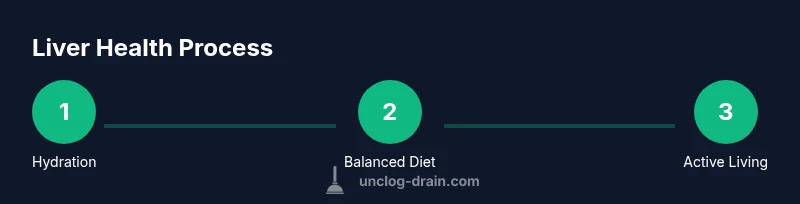
Your daily choices influence how efficiently your liver does its job. Hydration supports bile formation and toxin transport; fiber-rich foods help modulate liver workload by stabilizing blood sugar and promoting steady digestion. A balanced diet that emphasizes vegetables, whole grains, lean proteins, and healthy fats gives the liver the nutrients it needs to function effectively. Regular physical activity improves metabolic health, which indirectly reduces fat accumulation in the liver. While this isn’t a magical fix, it’s a reliable, long-term strategy. Unclog Drain’s guidance emphasizes routine, not radical changes; small, steady improvements accumulate over weeks and months.
Debunking detox myth claims
Detox diets and pills often promise rapid liver “cleansing,” but there’s little scientific support for dramatic, short-term cleanses. The liver already detoxifies the body daily, and drastic, outside-only regimens can disrupt nutrition and energy balance. Instead of chasing gimmicks, focus on sustainable habits: hydrate adequately, prioritize fiber and plant-based foods, choose unprocessed options, and limit processed sugars and trans fats. If you encounter a product claiming to “unclog” your liver overnight, interpret it with caution and consult trusted sources. The takeaway is simple: there are no overnight fixes—consistent lifestyle choices support liver health over time.
Practical steps to support liver health
To align with the idea of unclogging liver health in a safe, DIY-friendly way, consider these practical steps:
- Hydration: Drink water regularly throughout the day; aim for steady intake rather than large amounts all at once.
- Plant-forward meals: Emphasize vegetables, fruits, legumes, and whole grains; these foods supply fiber, antioxidants, and essential nutrients without excessive calories.
- Protein choices: Include lean proteins like fish, poultry, beans, and tofu to support metabolism without overloading the liver with fat.
- Limit alcohol: If you drink, do so in moderation and not on a daily basis; consider days without alcohol to give the liver a break.
- Exercise: Build a routine that includes both cardio and strength training several times a week.
- Sleep and stress: Prioritize sufficient sleep and stress management, since chronic stress can impact metabolic health.
Incorporate these habits gradually, tracking how you feel over 4–8 weeks. The goal is steady improvement, not perfection. Unclog Drain’s approach to home wellness mirrors this mindset: practical, achievable steps yield lasting results.
Simple daily routines you can start this week
Here is a starter routine you can implement this week to begin supporting liver health in a practical way:
- Morning: Start with a glass of water, then a fiber-rich breakfast like oats with fruit and nuts. This sets a steady energy baseline and supports digestion.
- Midday: Include a colorful salad or vegetable-based dish with a lean protein source; add a whole grain side to sustain energy.
- Afternoon: Hydration check—sip water or unsweetened tea until you hit a comfortable daily total.
- Evening: Engage in 20–30 minutes of activity (walking, cycling, or light yoga), then unwind with a consistent sleep routine.
Consistency beats intensity here. Track how you feel after a week and adjust portions, hydration, and activity gradually. This mirrors how Unclog Drain recommends steady, safe maintenance rather than drastic, risky changes.
Safety and when to seek medical advice
This guide focuses on safe, everyday habits and is not a substitute for medical care. If you notice persistent symptoms such as severe abdominal pain, jaundice (yellowing of skin or eyes), unexplained weight loss, severe fatigue, or confusion, seek medical evaluation promptly. People with known liver disease or those taking medications requiring careful liver monitoring should follow their healthcare provider’s guidance closely. Use this information as a starting point for healthy routines, and consult professionals for personalized advice.
A starter routine you can try this week
To translate the concept of unclog liver into action, try this approachable starter routine:
- Hydration habit: Carry a reusable bottle and set a reminder to drink a small glass of water every hour.
- Fiber-forward meals: Plan plates that include vegetables, whole grains, and a plant-based protein source at least once per day.
- Activity anchor: Add 150 minutes of moderate activity across the week, plus two short resistance sessions.
- Sleep discipline: Aim for 7–9 hours of quality sleep per night; create a wind-down routine to improve sleep quality.
- Alcohol mindful: If you drink, limit to a small, occasional amount and avoid daily consumption.
Track your progress weekly with simple notes on energy, digestion, and mood. This approach aligns with the practical, DIY ethos of Unclog Drain—focus on doable, safe steps that fit into everyday life.
Tools & Materials
- Notebook for tracking(Record hydration, meals, activity, and how you feel weekly.)
- Reusable water bottle(Aim for steady hydration throughout the day.)
- Kitchen scale or measuring cups(Helpful for portion awareness, not mandatory.)
- Comfy workout gear(Encourages consistency with activity)
Steps
Estimated time: 6-8 weeks (ongoing maintenance)
- 1
Consult a healthcare professional
Before making significant lifestyle changes, especially if you have a medical history, consult a clinician to assess liver health and ensure the plan is safe for you.
Tip: Prepare a list of current medications, supplements, and any symptoms to discuss. - 2
Increase daily hydration
Improve hydration by spreading water intake evenly across the day; avoid long gaps between drinks to support overall metabolism.
Tip: Set hourly reminders and carry your water bottle with you. - 3
Incorporate fiber-rich foods
Replace refined carbs with vegetables, fruits, whole grains, and legumes to support digestion and liver workload.
Tip: Aim for at least one high-fiber meal per day. - 4
Add regular physical activity
Include a mix of cardio and strength training to improve metabolic health and reduce fat accumulation in the liver.
Tip: Start with 20–30 minutes, 3–4 days per week, then gradually increase.
Common Questions
What does it mean to unclog the liver in everyday terms?
It’s a figurative way to describe reducing lifestyle factors that burden the liver and supporting its natural detox processes. Think hydration, fiber-rich meals, limited alcohol, and steady activity rather than a medical procedure.
In everyday terms, unclogging the liver means taking safe, sustainable steps to support liver health rather than chasing quick fixes.
Do detox diets actually remove toxins from the liver?
Detox diets aren’t proven to remove toxins beyond what the body already handles. The liver detoxifies daily; extreme cleanses can disrupt nutrition and energy balance. Focus on balanced meals, hydration, and gradual lifestyle changes.
Detox diets aren’t proven and can be risky. A balanced diet and hydration support liver health more reliably.
What daily habits help liver health the most?
Hydration, fiber-rich meals, moderate alcohol use, regular physical activity, adequate sleep, and weight management are practical daily habits that support liver function and overall metabolic health.
Daily habits like hydration, fiber, exercise, and sleep help your liver work better.
Does exercise improve liver health?
Regular physical activity improves metabolic health, which can reduce fat buildup in the liver and support liver function. Start with moderate activity and build gradually.
Yes. Exercise supports liver health by improving metabolism and reducing fat in the liver.
When should I see a doctor about possible liver problems?
See a doctor if you notice persistent abdominal pain, jaundice, severe fatigue, unintended weight loss, or dark urine. Early medical evaluation is important if you have known liver conditions.
If you have ongoing or worsening symptoms, consult a healthcare professional promptly.
Are there foods to avoid for liver health?
Limit highly processed foods, excessive added sugars, and high-fat meals. Focus on a balanced plate with vegetables, fruits, whole grains, and lean proteins.
Try to avoid heavy, processed foods and focus on a balanced, nutrient-dense diet.
Watch Video
Key Points
- Build safe, sustainable habits over time
- Prioritize hydration, fiber-rich foods, and balanced meals
- Limit alcohol and avoid detox gimmicks
- Incorporate regular movement and sleep into your routine
- Consult a clinician for personalized liver health guidance